How to Create a Logo for My Own Responsive Design Industry
Creating a logo is a vital step in establishing a strong brand identity, particularly in the responsive design industry. A compelling logo not only conveys your brand’s message but also fosters recognition and trust among your audience. As an entrepreneur or freelancer, you might choose a DIY approach to logo design, allowing you to create something authentic without breaking the bank.
Understanding Responsive Design
Responsive design is more than just a buzzword; it refers to the practice of making websites look and perform optimally across various devices. In today’s digital landscape, customers access your site from smartphones, tablets, and desktops. Therefore, having a site that adapts seamlessly to different screen sizes is critical—not just for user experience but also for maintaining your brand’s integrity.
Key Principles of Responsive Design
Responsive design hinges on several key principles:
- Fluid Grids: Use flexible layouts that resize elements proportionally rather than relying on fixed sizes.
- Flexible Images: Ensure images scale appropriately, preventing them from overflowing their containing elements.
- Media Queries: Employ CSS techniques to apply different styles based on device characteristics like size and resolution.
The Importance of a Logo in Responsive Design
A well-crafted logo enhances your brand identity in a responsive context. Your logo represents your brand visually and should be versatile enough to retain its clarity and impact whether on a mobile device or a large desktop monitor. In a responsive design market, your logo will likely be seen in various sizes and formats, making versatility a crucial attribute.
Steps to Create a Logo for Your Responsive Design Industry
Creating a logo that embodies your brand requires thought and a structured approach:
Define Your Brand Identity
Start by identifying your core values and mission. Consider these questions: What does your brand stand for? What emotions do you want your audience to feel when they see your logo? Ensure your logo aligns with your brand’s essence, as this will form the foundation of your design.
Research and Gather Inspiration
Look for ideas across various resources. The Logo Maker Shop is a treasure trove of inspiration; you can browse through professionally designed logos to see what resonates with you. Don't shy away from creating a mood board that represents your vision.
- Logo Ideas: Check out Logo Ideas – Boon to kickstart your creative process.
- How to Create Logos: Visit How to Create Logos with Logo Maker Shop – Boon for step-by-step guidance.
Choose Your Logo Style
Select a style that reflects your brand's character. Here are a few popular options:
- Wordmark: Focuses on your brand name, using distinctive typography.
- Letterform: Involves initials or a monogram that captures your brand essence.
- Logo Symbol: An icon that conveys a concept associated with your brand.
Select Colors and Fonts
Color and typography play a significant role in your logo's emotional impact. Colors evoke feelings and associations, while fonts convey personality and professionalism. Choose a color palette that aligns with your brand values, and opt for fonts that enhance readability and reflect your identity.
Designing for Flexibility
Your logo must be adaptable across various platforms. Test your design in different sizes and contexts to ensure it looks great on everything from a website header to a business card. This adaptability is crucial in the responsive design industry, where logos should maintain their integrity regardless of how they’re viewed.
Use Logo Maker Shop to Create Your Logo
Now that you've gathered ideas and defined your vision, use the Logo Maker Shop to bring your logo to life. The platform allows you to easily customize elements, making the design process user-friendly and efficient.
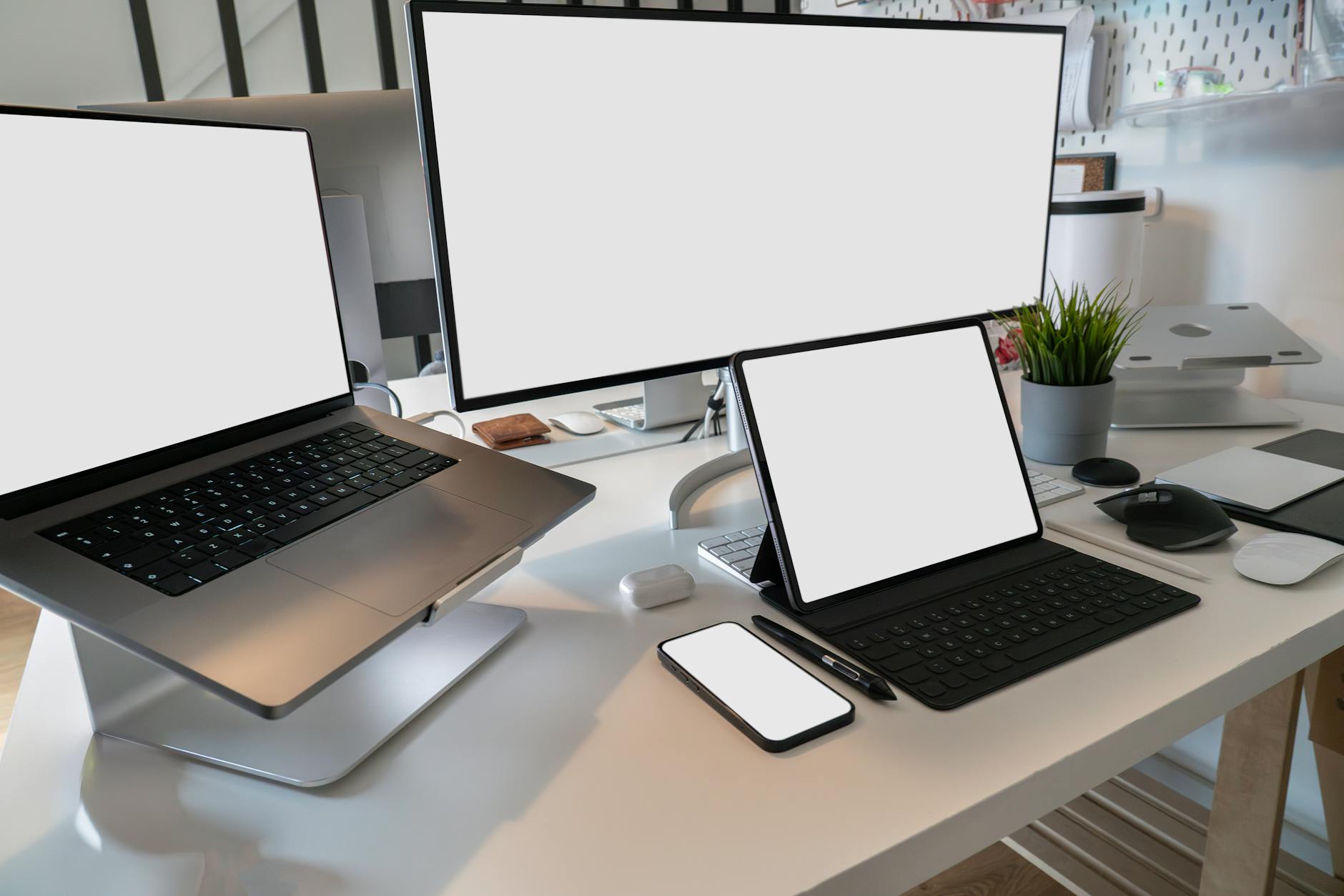
Photo by Jakub Zerdzicki
Testing Your Logo Across Devices
Once you have a design, it's essential to see how it performs across devices. A logo should be immediately recognizable on a smartphone, tablet, or desktop.
Mobile vs. Desktop Display
Your logo may appear differently on various screens. Check how it looks on small mobile screens compared to larger desktops. This can help you identify whether adjustments are needed for clarity and visibility.
Gather Feedback
Feedback is invaluable. Share your design with peers or potential customers to gather opinions. Ask them if your logo resonates with your brand and if there are any aspects that need refinement.
Finalizing Your Logo
With feedback in hand, it's time to polish your design.
Refine and Polish Your Design
Take time to make necessary adjustments based on the feedback. This might involve tweaking colors, adjusting font sizes, or even rethinking the logo style. Aim for a design that feels professional while still being true to your brand.
Launch Your Logo
Once satisfied with your logo, it’s time to launch! Use social media, email newsletters, and your website to announce your new logo. A well-executed launch can create buzz and excitement around your brand.
Conclusion
Creating a logo for your responsive design industry doesn’t have to be daunting. By following these steps and utilizing resources like the Logo Maker Shop, you can design a logo that truly reflects your brand identity. Remember, your logo is often the first impression you make on potential customers, so make it count!
Additional Resources
This is your moment—take the leap into logo creation and establish a strong visual identity for your brand!

Michael Harper is a Senior Content Strategist at MarketInsider.co, a premier source for insights on digital marketing and business trends. With over 15 years of expertise in content development and strategic communications, Michael is renowned for his ability to craft compelling narratives that resonate with diverse audiences. He holds a Bachelor’s degree in Journalism from New York University and a Master’s degree in Business Administration from Columbia Business School. Outside of work, Michael is passionate about historical literature and enjoys hiking the trails of the Pacific Northwest.