How to Create a Logo for My Own Residential Renovation Industry
Creating a logo is one of the most important steps in establishing your brand identity, especially in the residential renovation industry. A well-crafted logo not only represents your business but also communicates your values, professionalism, and creativity to potential clients. In today's visually driven world, a strong logo can set you apart from your competitors and leave a lasting impression on your audience.
Understanding the Importance of a Logo
Building Brand Recognition
Have you ever noticed how certain brands immediately come to mind when you think of particular services? That’s the power of a strong logo! In the residential renovation industry, your logo acts as a badge of recognition. It helps potential customers remember your company when they need renovation services. A well-designed logo keeps your business top-of-mind, making it essential for building brand awareness.
Establishing Trust and Professionalism
Moving forward, think about the first impression your logo gives to potential clients. A polished, professional logo conveys reliability and instills confidence. It tells your audience that you take your business seriously and are committed to quality work. In renovation, trust is key; clients need to feel secure about the professionals they hire to handle their homes.
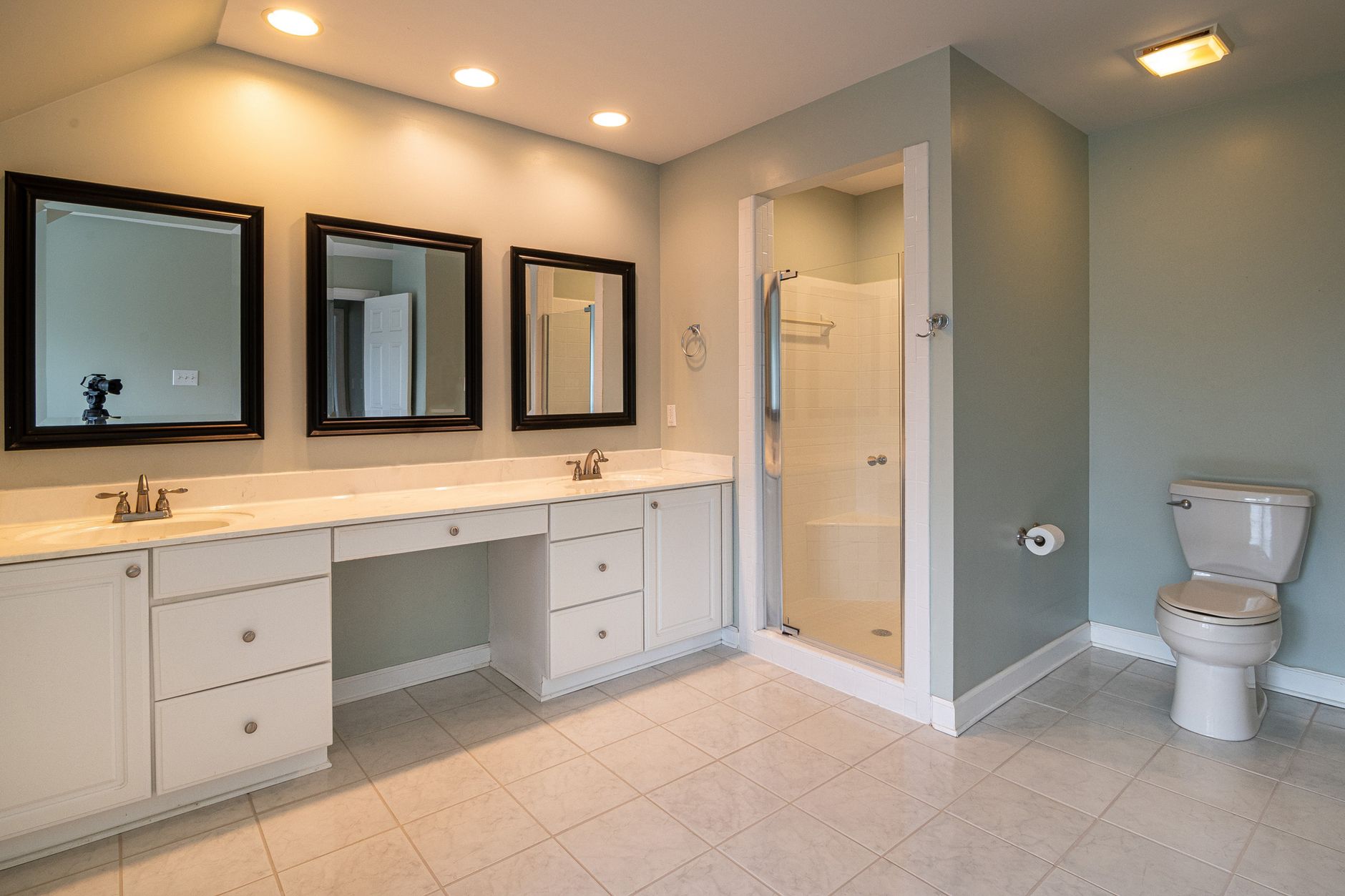 Photo by Curtis Adams
Defining Your Brand Identity
Identifying Core Values and Mission
Before diving into design, take a moment to reflect on what your renovation business stands for. What are your core values? Define your mission statement as this will guide you in crafting your logo. For instance, if sustainability is central to your business, consider how that can be visually represented—perhaps through natural colors or Earth-related symbols.
Target Audience Considerations
Understanding your target audience is crucial. Who are your clients? Are they homeowners seeking upscale renovations or budget-conscious families looking to spruce up their homes? Tailor your logo design to resonate with this specific group. Use elements that appeal to their tastes and preferences to create a connection.
Research and Gather Inspiration
Analyzing Competitors' Logos
Take some time to study the logos of your competitors in the residential renovation sector. What elements do they use? Do their logos appear professional? Understanding the landscape will help you identify what works well, and more importantly, what doesn't. Remember, you want your logo to stand out, not blend in!
Exploring Design Trends
Logo design trends evolve, and it’s helpful to stay updated. Explore current design trends that resonate with home improvement themes—minimalist designs, earthy color palettes, or geometric shapes are popular choices in this field. Consider which trends align with your brand identity.
Selecting the Right Design Elements
Choosing Colors Wisely
Color psychology plays a pivotal role in logo design. Different colors evoke various feelings and associations. For instance, blue conveys trust, while green speaks to growth and sustainability. Think about the message you want to communicate through your logo and choose your colors accordingly.
Picking Fonts and Typography
Just as colors can influence perception, typography also shapes how your brand is viewed. A bold font may convey strength and reliability, while a more elegant font might depict sophistication. Choose a font that reflects your brand's personality and is easy to read across various formats.
Logo Types to Consider
When it comes to logos, variety reigns. Each type has its strengths:
- Wordmarks: These focus on your business name and are effective if you have a catchy name.
- Letterforms: Ideal for businesses with succinct initials, helping to create a memorable brand.
- Icon Logos: These use symbols to represent your brand, making them visually impactful but may need a strong marketing push to establish brand recognition.
- Combination Marks: These blend text and iconography, offering a versatile and comprehensive approach.
Using the Logo Maker Shop
Step-by-Step Logo Creation Process
With a clear vision and inspiration, it’s time to bring your logo to life using the Logo Maker Shop. Here’s a brief guide:
- Select Your Logo Type: Choose the type that best fits your business.
- Customize Your Design: Play around with colors, fonts, and layouts.
- Utilize Design Tools: Use their tools to see how different combinations look together.
- Review and Modify: Make adjustments; don’t hesitate to explore different ideas until you find the perfect fit.
Refining Your Logo Design
Feedback is a key part of the design process. Share your logo with trusted friends or potential clients for their opinions. Notice their reactions—what stands out to them? What message do they think the logo conveys? Use their insights to refine your design further.
Implementing Your Logo Across Platforms
Branding Materials and Online Presence
Now that you have your logo, it’s time to take it across platforms. Your logo should be prominently featured on your business cards, company website, and social media profiles. Consistent branding creates recognition and trust.
Maintaining Consistency
Consistency is crucial. Use your logo uniformly across all platforms, ensuring it appears the same size, color, and style. This approach reinforces your brand identity and makes your company more memorable.
Conclusion
Designing the perfect logo for your residential renovation business is an exciting journey that combines creativity with strategy. From defining your brand identity to gathering inspiration and using tools like the Logo Maker Shop, every step is crucial. Take the initiative; your unique logo could be just the thing to elevate your business. Let the design process reflect who you are and the values you hold as a company. Dive in, and let your creativity shine as you create a logo that leaves a lasting impression!

Michael Harper is a Senior Content Strategist at MarketInsider.co, a premier source for insights on digital marketing and business trends. With over 15 years of expertise in content development and strategic communications, Michael is renowned for his ability to craft compelling narratives that resonate with diverse audiences. He holds a Bachelor’s degree in Journalism from New York University and a Master’s degree in Business Administration from Columbia Business School. Outside of work, Michael is passionate about historical literature and enjoys hiking the trails of the Pacific Northwest.