How to Create a Logo for My Own Residential Property Industry
Creating a logo is an essential step for any residential property business. A well-designed logo not only enhances brand identity but also builds recognition and trust with potential clients. For many entrepreneurs in the property market, taking a DIY approach to logo creation can be both empowering and cost-effective. This guide will walk you through the steps to create a logo that captures the essence of your brand and resonates with your target audience.
Understanding the Importance of a Logo in the Residential Property Industry
A logo is often the first point of contact between your business and potential clients. It serves as a visual representation of your brand’s values and mission. But why does a logo matter so much in the residential property sector?
Building Trust and Recognition
Think about the logos you recognize immediately—big brands like Nike or Starbucks. A captivating logo can evoke a sense of trust and familiarity. In the residential property industry, a well-crafted logo can foster client confidence, making them feel reassured about choosing your services. It’s not just a pretty picture; it’s a psychological tool that helps clients form relationships with your brand from the beginning.
Differentiating Your Brand
In a crowded market, how do you stand apart from the competition? Your logo plays a crucial role in distinguishing your brand from others. While every property business offers real estate services, your logo can convey your unique approach, whether it's luxury, sustainability, or community-centric values.
Defining Your Brand Identity
Before jumping into the design process, it's vital to take a step back and define what your brand stands for.
Identifying Your Target Audience
Understanding your audience is key. Who are your potential clients? Are they first-time homebuyers, luxury estate seekers, or investors? By recognizing their preferences, needs, and aspirations, you can design a logo that speaks directly to them.
Articulating Your Brand Values
What core values does your residential property business embody? Is it reliability, innovation, or exceptional service? Write down a few adjectives that describe your brand. These foundational values should shine through in your logo. Consider how you can integrate these elements into your design to create a cohesive representation of your brand.
Finding Inspiration for Your Logo Design
Now that you've defined your brand identity, it’s time to seek inspiration for your logo.
Researching Competitors
Research the logos of competitors in the residential property industry. Identify what works and what doesn’t while ensuring your logo is unique. Think about colors, shapes, and fonts, and ask yourself: how can I create something distinctly different yet relevant?
Utilizing Design Tools
Look no further than the Logo Maker Shop. This user-friendly tool offers various templates and design elements that can spark creativity and simplify the logo creation process. You can explore their features to find elements you may want to incorporate into your logo.
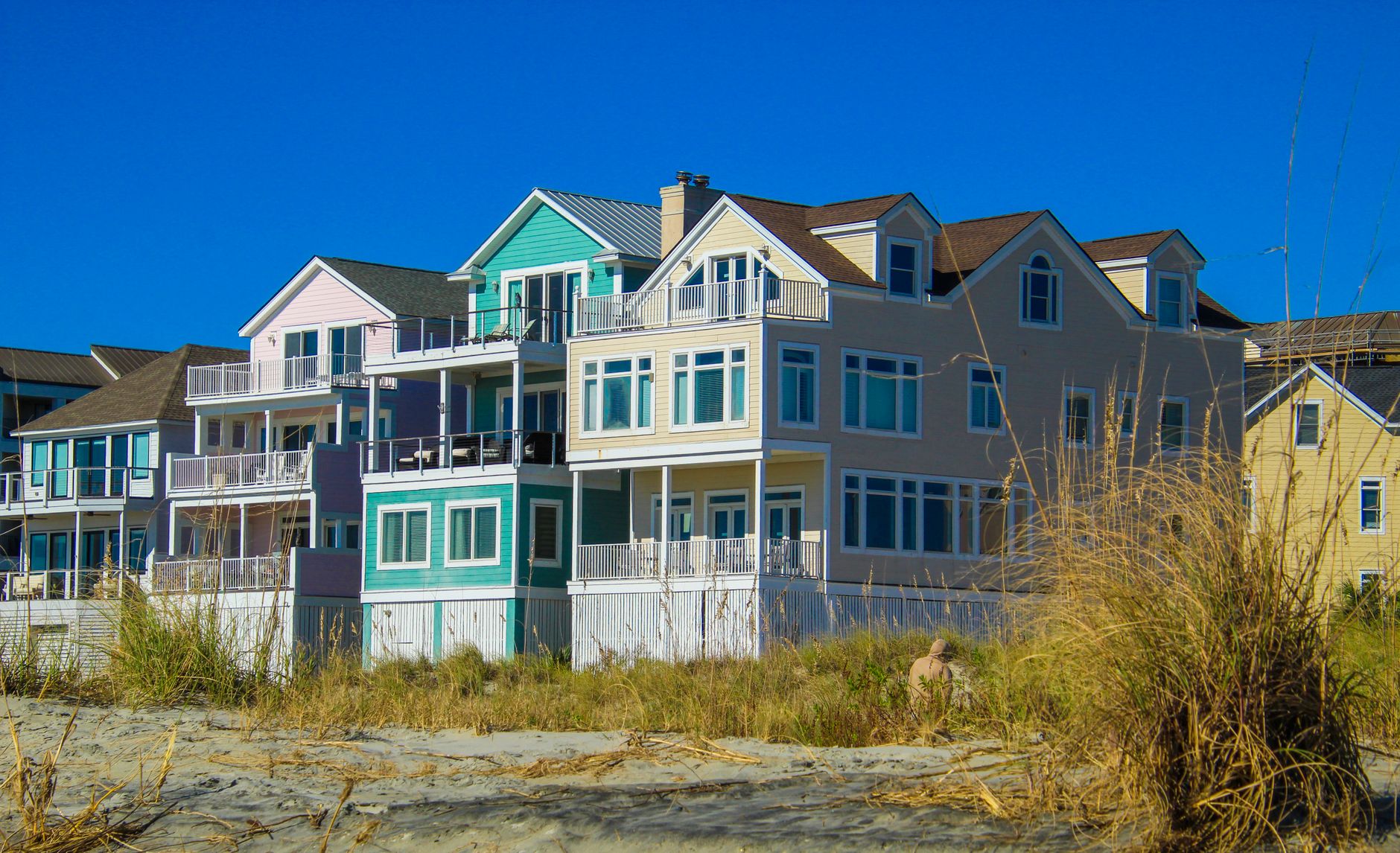
Photo by Karen F
Creating Your Logo Using the Logo Maker Shop
With inspiration in hand, let’s dive into creating your logo using the Logo Maker Shop. Here’s how you can navigate the process:
Step 1: Choosing the Right Logo Type
Start by deciding which type of logo best suits your brand. Do you want a wordmark (text-based), a visual symbol, or a combination? For the residential property sector, a combination mark can be highly effective as it combines both imagery and brand name.
Step 2: Selecting Colors and Fonts
Color psychology plays a significant role in design. For instance, blue evokes trust, while green signifies growth—both crucial for your industry. Choose fonts that complement your branding style; a bold font can convey stability, while a sleek font may reflect modernity.
Step 3: Customizing Your Design
This is where the fun begins! Use the Logo Maker Shop to customize your logo, selecting shapes, colors, and fonts that align with your brand identity. Don’t be afraid to play around with different designs until you find one that feels just right.
Step 4: Refining and Finalizing Your Logo
Once you’ve created a draft, take a step back and critically assess it. Does it reflect your brand’s identity? Get feedback from peers or potential clients to gain fresh perspectives. Don’t hesitate to make alterations based on their insights.
Testing Your Logo Before Launching
Testing is crucial before you officially roll out your logo.
Gathering Feedback
Collect feedback from trusted colleagues, friends, or even social media communities. Ask specific questions about colors, fonts, and overall impression. The more insight you gather, the better!
Making Necessary Adjustments
Be prepared to tweak your design based on the feedback you receive. Design is an iterative process, and improvement is part of the journey.
Utilizing Your Logo Across Various Platforms
Your logo is now ready, but what’s next? It’s time to implement it across all marketing platforms.
Incorporating Your Logo in Digital Marketing
From your website to social media, your logo should be prominently displayed in digital marketing efforts. This builds brand consistency and strengthens recognition. Use it as profile pictures, watermarks, and headers.
Using Your Logo in Print Media
Don’t forget about traditional marketing materials! Business cards, brochures, and signage all need your logo. Think about how it will look on various materials and ensure it stands out.
Conclusion
Creating a logo for your residential property business is not just about aesthetics; it's about crafting a visual identity that encapsulates who you are. By following these steps—from defining your brand identity to utilizing the Logo Maker Shop—you’ll be well on your way to establishing a strong and recognizable presence in the market. So why wait? Start creating your logo today and make your mark in the industry!

Michael Harper is a Senior Content Strategist at MarketInsider.co, a premier source for insights on digital marketing and business trends. With over 15 years of expertise in content development and strategic communications, Michael is renowned for his ability to craft compelling narratives that resonate with diverse audiences. He holds a Bachelor’s degree in Journalism from New York University and a Master’s degree in Business Administration from Columbia Business School. Outside of work, Michael is passionate about historical literature and enjoys hiking the trails of the Pacific Northwest.