How to Create a Logo for My Own Rental Digital Marketing Industry
A logo is more than just a pretty design; it's the face of your brand. For those in the rental digital marketing industry, having a standout logo can significantly enhance your business's visibility and credibility. Your logo can help you establish trust with potential clients while setting you apart from competitors. In a fast-paced market, where every detail counts, it's crucial to take the time to develop a memorable logo that resonates with your audience.
Understanding the Basics of Logo Design
What is a Logo?
A logo is a visual representation that embodies your brand's identity. It's often the first element a customer will notice about your business. Logos serve to convey who you are, what you do, and the values you uphold. For a rental digital marketing company, your logo should reflect your services' professionalism and creativity to attract clients looking for effective solutions.
How a Logo Represents Your Brand
Your logo plays a critical role in brand recognition and trust. Think of it as a handshake; it’s the first impression you make. A well-crafted logo can evoke emotions and convey messages about your business, instilling confidence and reliability in potential customers.
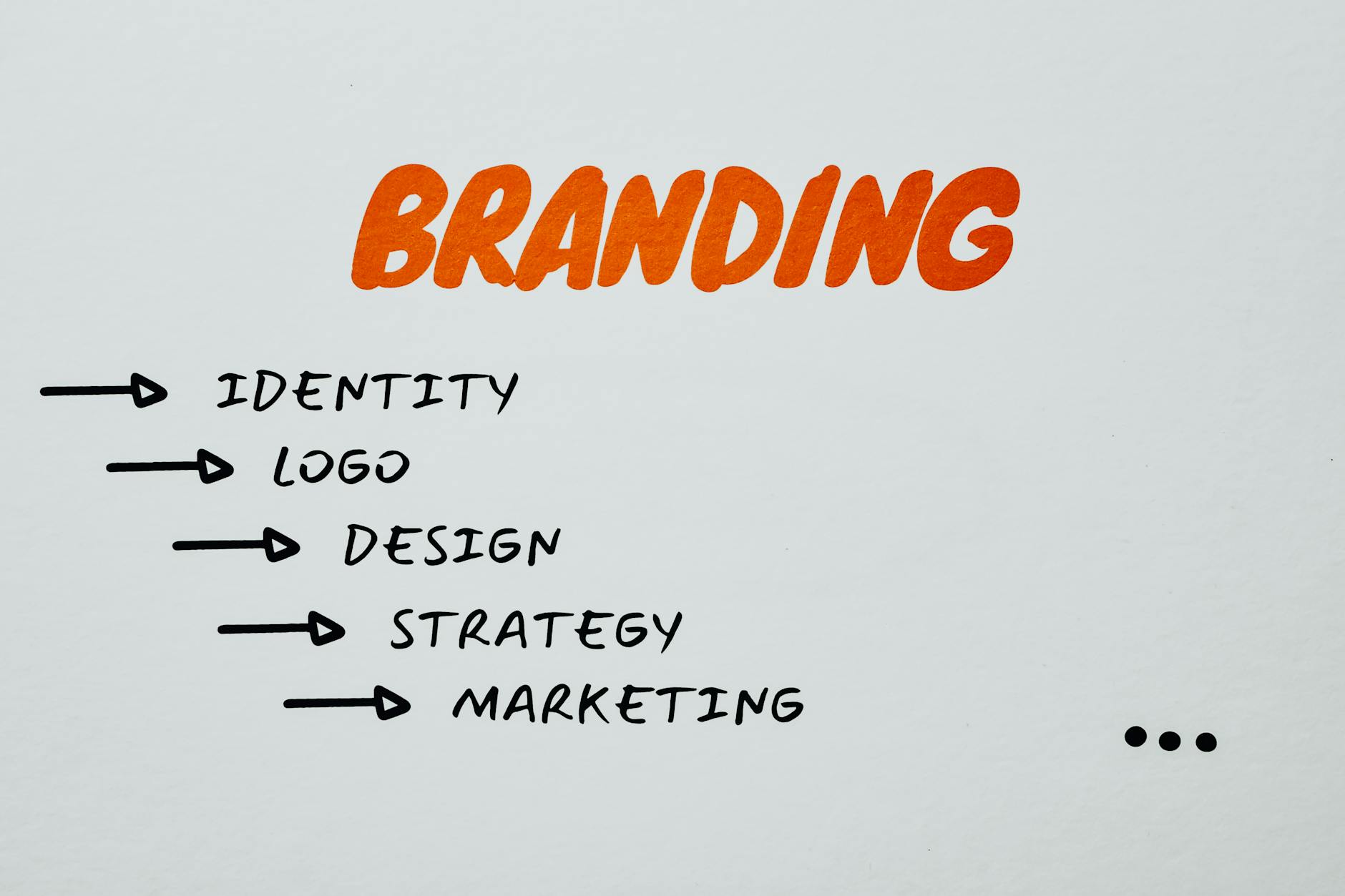
Photo by Eva Bronzini
Defining Your Brand Identity
Before you can design your logo, you need to understand your brand identity.
Identifying Key Brand Values
Start by identifying the core values that your rental digital marketing service stands for. Ask yourself questions like, "What do I want to communicate to my clients?" and "What makes my service unique?" This step lays the groundwork for the message your logo will convey.
Establishing Your Target Audience
Understanding your target audience is essential. Know who you are talking to — their age, preferences, and pain points. This demographic insight will steer your logo design in a direction that resonates with potential customers, making it more effective.
Creating a Brand Story
Your logo should tell a story about your brand. Consider what your business represents and craft a narrative that aligns with your vision. When customers can relate to your story, they begin to build a connection with your brand, enhancing loyalty and trust.
Finding Inspiration for Your Logo
Inspiration is all around you, but knowing where to look can make a significant difference.
Researching Competitors
Take a look at what others in your industry are doing. Analyze competitor logos to identify trends, themes, and gaps. This analysis can guide you in creating a logo that stands out while ensuring it remains relevant to your industry.
Using Online Resources
Web platforms like Pinterest and various design blogs are treasure troves for logo inspiration. Utilize these resources to gather ideas that spark your creativity. Create a mood board with different styles, colors, and designs that resonate with your vision.
Choosing the Right Logo Style
Not all logos are created equal. The style of your logo should align with your brand identity and audience preference.
Types of Logos
There are several types of logos you might consider:
- Wordmark: Utilizes your brand name in a specific typeface and style.
- Letterform: Focuses on the initials of your business for a minimalist look.
- Symbol: Relies on an icon or graphic representation without text.
Each type has its strengths and fits different business personalities. Choose one that reflects who you are as a rental digital marketing service.
Designing Your Logo with Logo Maker Shop
Utilizing tools like Logo Maker Shop can simplify the logo creation process significantly.
Exploring Logo Maker Shop Tools
Logo Maker Shop offers user-friendly features that allow you to design unique logos that represent your brand effectively. It’s an excellent resource for entrepreneurs who prefer a DIY approach without compromising on quality.
Step-by-Step Logo Creation Process
- Choose a Template: Select a logo template that resonates with your brand identity.
- Customize the Design: Adjust colors, fonts, and symbols to make the logo your own.
- Preview Your Logo: Use the preview feature to visualize how your logo will look across different mediums.
Refining Your Logo Design
Once you have a draft of your logo, refining it is crucial.
Gathering Feedback
Don't shy away from asking for opinions. Seek constructive criticism from friends, colleagues, or even potential customers. Their insights can provide valuable perspectives that help you enhance your design.
Making Necessary Adjustments
Be open to making changes based on feedback. The goal is to finalize a logo that reflects your brand and appeals to your audience. Each iteration can bring you closer to the perfect design.
Implementing Your Logo Across Platforms
After you’ve created a robust logo, it’s time to put it to good use.
Using Your Logo on Marketing Materials
Incorporate your logo across various marketing materials. Business cards, websites, and social media profiles should all feature your logo prominently. This consistency strengthens your brand identity and makes your business more recognizable.
Building Consistency and Brand Recognition
Consistency is key. Use your logo uniformly across all platforms to reinforce brand recognition. When clients see the same logo in different places, it builds familiarity and trust, making them more likely to reach out to your services.
Conclusion
Creating a logo for your rental digital marketing business can be both exciting and challenging. By understanding the basics of logo design, defining your brand identity, and utilizing resources like Logo Maker Shop, you can craft a logo that effectively represents your business. Embrace the creative process, gather feedback, and implement your logo consistently across all platforms. With a solid logo in place, you're well on your way to establishing a strong brand identity that stands out in a competitive market.

Michael Harper is a Senior Content Strategist at MarketInsider.co, a premier source for insights on digital marketing and business trends. With over 15 years of expertise in content development and strategic communications, Michael is renowned for his ability to craft compelling narratives that resonate with diverse audiences. He holds a Bachelor’s degree in Journalism from New York University and a Master’s degree in Business Administration from Columbia Business School. Outside of work, Michael is passionate about historical literature and enjoys hiking the trails of the Pacific Northwest.