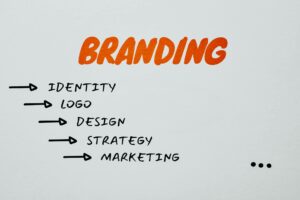
Creating a Logo for Your Regulatory Compliance Industry
In the regulatory compliance sector, establishing a strong identity is vital. Your logo plays a significant role in this aspect; it’s more than just an image—it's the visual representation of your brand's credibility. A thoughtfully designed logo instills trust and resonates well with clients, making them feel confident in your services. Whether you're just starting out or looking to refresh your branding, understanding the nuances of logo creation tailored for regulatory compliance can make a substantial difference.
Understanding the Regulatory Compliance Industry
The regulatory compliance industry is characterized by its emphasis on standards, rules, and best practices. Companies in this space ensure that businesses adhere to laws and regulations, often dealing with sensitive information and high-stakes situations. Because of this, the design of your logo should embody the industry's unique attributes.
Key Attributes of Regulatory Compliance Logos
When designing a logo for your compliance business, keep these crucial attributes in mind:
- Professionalism: Your logo should convey authority and expertise. A professional appearance helps clients feel secure in your capabilities.
- Reliability: Clients want to know they can depend on you. A well-crafted logo communicates that you are trustworthy and committed to quality.
- Clarity: The messaging in your logo must be straightforward. You should quickly convey what your business stands for without ambiguity.
Why Logo Design Matters in Regulatory Compliance
A logo is more than just a design; it’s a pivotal part of your brand identity. In the compliance sector, where trust is paramount, your logo can set the tone for how potential clients perceive your company. A strong logo solution establishes credibility and enhances brand recognition.
A well-executed logo can also differentiate you from competitors, making it easier for clients to remember you. In an industry built on the principles of legality and transparency, your logo should reflect these values through its design.
Steps to Create a Logo for Your Regulatory Compliance Business
Creating a logo tailored for the regulatory compliance industry requires a strategic approach. Here’s a structured process to help you craft a remarkable logo:
Define Your Brand Identity
Begin by articulating your company’s mission, vision, and core values. What makes your business unique in the compliance field? How do you want clients to feel when they engage with your services? This foundational understanding is crucial for your logo design.
Research Your Target Audience and Competitors
Understanding your clients' needs is essential. Conduct research to discover who your target audience is and what they value in compliance services. While you’re at it, analyze your competitors' logos. What are their design choices? Identifying trends and gaps can give you insights into how to position your brand distinctively.
Choose the Right Logo Style
Your logo style should resonate well with your target market. Options include:
- Modern Styles: Ideal if your company embraces innovation and technology.
- Minimalistic Designs: These communicate clarity and professionalism while avoiding clutter.
- Traditional Logos: Suitable for firms that prioritize longstanding reliability and standards.
Select Color Schemes and Fonts
Color psychology plays a pivotal role in logo design. Understanding how colors influence perception can help you make informed choices. For instance:
- Blue: Symbolizes trust and professionalism—ideal for compliance firms.
- Green: Represents growth and reliability—excellent for your business image.
Opt for fonts that complement your logo style. Sans-serif fonts tend to appear modern and clean, while serif fonts embody tradition and stability.
Utilize the Logo Maker Shop for Your Design Needs
To ease the design process, consider leveraging the Logo Maker Shop. This platform provides user-friendly tools to help you create a logo that aligns with your vision. You'll find templates that cater specifically to the regulatory landscape, allowing for seamless customization.
Refine and Gather Feedback
Once you've drafted your logo, the next step is to refine it based on input from peers and industry professionals. This feedback can be invaluable for identifying potential improvements. Don’t hesitate to make changes; the goal is for your logo to resonate with your audience.
Finalizing Your Logo Design and Usage
Congratulations! You've designed a logo that reflects your regulatory compliance business's identity. Now, it’s time to prepare for deployment across various platforms.
Implementing Your Logo Wisely
Creative marketing materials will showcase your logo to potential clients. Ensure that your logo is prominently displayed on:
- Business Cards: A perfect way to leave a memorable impression.
- Website: Your website is often the first point of contact for clients.
- Social Media Profiles: Consistent use on all platforms reinforces brand identity.
Monitor and Evolve Your Logo as Needed
Over time, revisit your logo to ensure it remains relevant and aligns with any evolving business goals. Keeping your logo fresh ensures that it continues to appeal to your audience.
Conclusion
Creating a logo for your regulatory compliance industry is a vital step in building a strong brand. Your logo is a visual representation of your company’s credibility and trustworthiness. By following these outlined steps—from defining your brand identity to utilizing resources like the Logo Maker Shop—you can craft a logo that resonates with your audience and stands the test of time.
Now is the time to take action! Start the process of designing a logo that not only represents your business but also builds lasting trust among your clients. Your brand’s identity awaits a unique and engaging visual representation!

Photo by Olivier Bergeron

Michael Harper is a Senior Content Strategist at MarketInsider.co, a premier source for insights on digital marketing and business trends. With over 15 years of expertise in content development and strategic communications, Michael is renowned for his ability to craft compelling narratives that resonate with diverse audiences. He holds a Bachelor’s degree in Journalism from New York University and a Master’s degree in Business Administration from Columbia Business School. Outside of work, Michael is passionate about historical literature and enjoys hiking the trails of the Pacific Northwest.