How to Create a Logo for My Own Orthotic and Prosthetic Industry
Creating a logo is a crucial part of establishing your brand identity in the orthotic and prosthetic industry. Your logo reflects who you are as a business and helps build trust with your customers. In an industry focused on health and rehabilitation, having a memorable logo plays a vital role in attracting clients and differentiating you from competitors. Let’s dive into how you can create a logo that encapsulates your practice’s values, vision, and unique offerings.
Understanding Your Brand Identity
Before you jump into the design phase, take a step back and think about your brand identity. What is it that makes your orthotic and prosthetic business special? This understanding will guide your logo design, making it resonate with your audience.
The Essence of Your Brand
Consider what differentiates your practice from others. Are you focused on innovative technologies, a personal touch, or perhaps a commitment to sustainability? Reflect these elements in your logo to communicate your ethos at a glance. For instance, if your brand emphasizes friendly care, consider a softer font and warmer colors.
Target Audience Considerations
Who are your clients? Patients, parents, or healthcare professionals? Knowing your audience will influence the style and tone of your logo. If you cater primarily to children, playful designs and bright colors could be a hit. For a more professional audience, opt for sleek and modern designs that evoke trust.
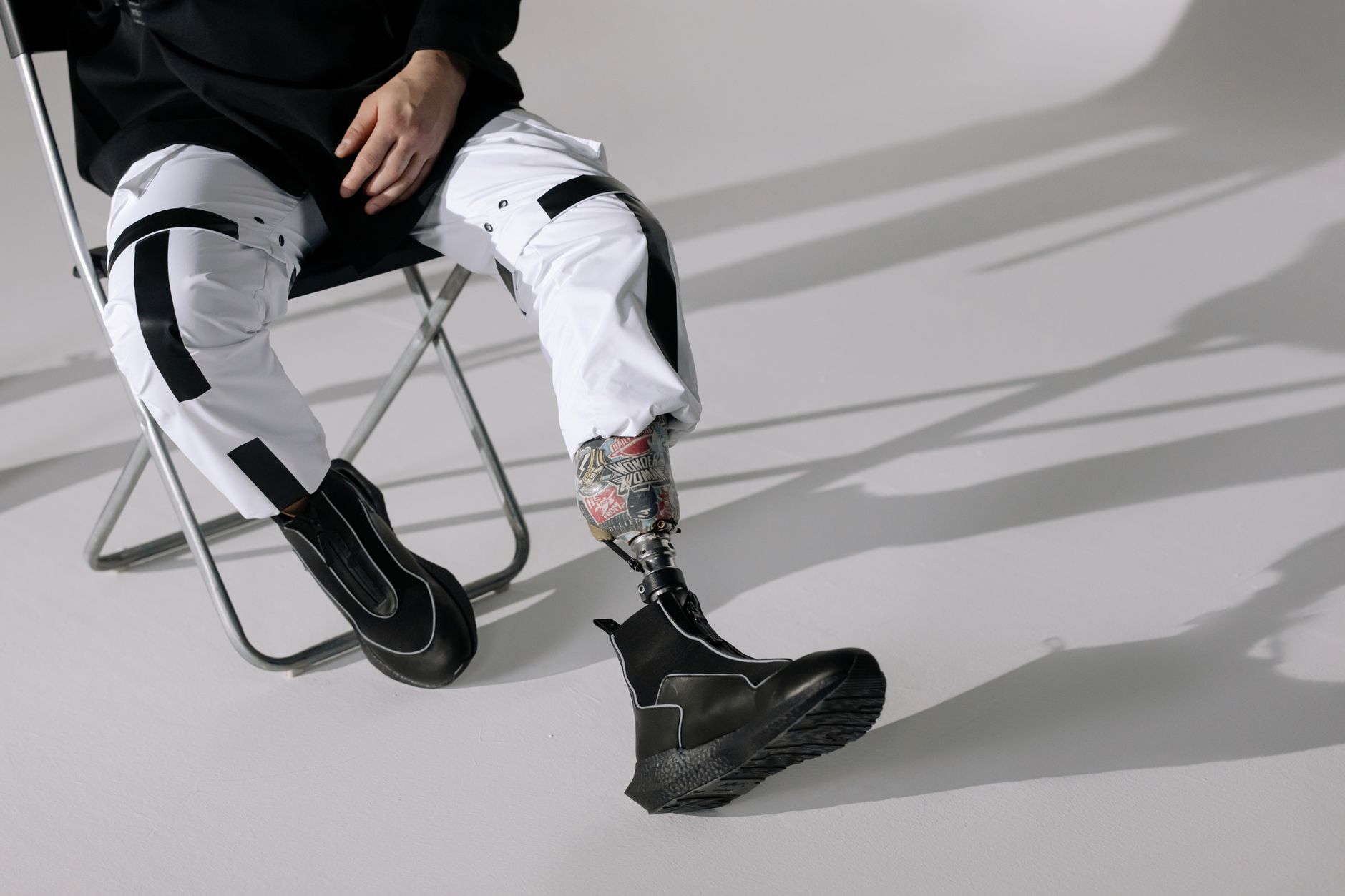
Photo by cottonbro studio
Logo Design Fundamentals
Once you’ve defined your brand identity, it’s time to focus on the principles of logo design. Here’s what to keep in mind.
Types of Logos Suitable for Your Industry
There are several types of logos, and understanding them can help you choose the best fit. Here’s a quick rundown:
- Wordmark: This uses the full name of your business in a stylized font. It’s great for brand recognition.
- Letterform: This style is based on the initials of your brand. It's simple yet impactful.
- Icon-based: This incorporates an image or symbol that represents your brand, perfect for visual storytelling.
For the orthotic and prosthetic industry, a combination of a wordmark and an icon might work well, allowing for easy recognition with an accompanying graphic that conveys your focus.
Logo Color Psychology
Colors convey emotions and messages. Thus, choosing the right palette is key. Here are some colors to consider:
- Blue: Trust and professionalism
- Green: Healing and health
- Orange: Energy and enthusiasm
These colors can align your brand with feelings of safety and care, essential in the healthcare industry.
Steps to Create Your Logo Using Logo Maker Shop
Now that you’re armed with brand insights and design fundamentals, let’s create your logo using Logo Maker Shop.
Accessing Logo Maker Shop
To start, visit the Logo Maker Shop and explore their tool. They offer a user-friendly interface and pre-designed templates that can jumpstart your design process.
Customizing Your Logo
With access established, select a template that resonates with your brand identity. Customize it by adjusting colors and fonts to match your style. The Logo Maker Shop allows you to see how different elements work together, making it easier to tweak until it feels right.
Finalizing and Downloading Your Logo
After you're satisfied with your design, follow the prompts in the Logo Maker Shop to finalize and download your logo. They usually offer multiple file formats, ensuring your logo looks great on both print and digital mediums.
Additional Tips for Effective Logo Design
While creating your logo can be exciting, there are some pitfalls to avoid. Here are a few expert tips:
Seeking Feedback
Once you’ve created your logo, don’t keep it to yourself. Show it to colleagues, friends, or even a small group of trusted clients. Their feedback can highlight areas you might have overlooked.
Testing Your Logo
Your logo should work in various contexts. Test how it looks on business cards, your website, or even social media profiles. A strong logo needs to be flexible and recognizable across different uses.
Showcasing Your New Logo
Now that you have your logo, it’s time to display it with pride across your platforms.
Integrating Your Logo into Marketing Materials
Use your logo consistently across all marketing materials. It should appear on your website, business cards, brochures, and social media profiles. Consistency builds recognition and strengthens your brand identity.
Digital Presence and Branding
In today’s world, maintaining a consistent digital presence is more important than ever. Make sure your logo follows you online—from your email signature to any digital advertisements you run. This cohesive approach boosts trust and keeps your brand top of mind for potential clients.
Conclusion
In the orthotic and prosthetic industry, your logo is more than just a design; it’s a reflection of your brand, values, and commitment to your clients. By following the steps outlined here, you can create a logo that resonates with your audience and stands out in a competitive market. Start today, and let your logo tell the story of your brand’s purpose and passion.
Embrace the creative journey, and make sure your logo truly represents your unique offering in the orthotic and prosthetic industry.

Michael Harper is a Senior Content Strategist at MarketInsider.co, a premier source for insights on digital marketing and business trends. With over 15 years of expertise in content development and strategic communications, Michael is renowned for his ability to craft compelling narratives that resonate with diverse audiences. He holds a Bachelor’s degree in Journalism from New York University and a Master’s degree in Business Administration from Columbia Business School. Outside of work, Michael is passionate about historical literature and enjoys hiking the trails of the Pacific Northwest.