How to Create a Logo for My Own Organic Deodorant Industry
Having a unique logo is crucial in the organic deodorant industry. It represents your brand, fosters recognition, and builds customer trust. When consumers look for organic products, they often choose brands that resonate with their values and lifestyle. Your logo sets the stage for this connection, offering a glimpse into what your brand stands for.
Understanding Your Brand Identity
To create a logo that resonates, you first need to understand your brand identity. This involves defining your brand values and knowing your target audience.
Identifying Brand Values
What values do you want your brand to convey? In the organic deodorant market, key values often include:
- Sustainability: Highlight your commitment to the environment by using eco-friendly materials and packaging.
- Natural Ingredients: Clearly communicate your focus on using non-toxic and natural ingredients that customers can trust.
- Health and Wellness: Position your brand as a choice for health-conscious consumers who want safe alternatives to conventional deodorants.
These values shouldn't just inform your branding; they should be at the heart of your logo design.
Target Audience Analysis
Knowing who you’re targeting will help shape your logo. The organic deodorant sector typically attracts:
- Health Enthusiasts: These consumers are often engaged in wellness trends and are willing to invest in products that support their health.
- Eco-Conscious Shoppers: They prioritize sustainable products and are likely to support brands that align with their values.
- Young Families: Parents seeking safe products for their children will appreciate brands committed to using natural ingredients.
Understanding these demographics helps in designing a logo that speaks directly to them.
Researching Logo Design Trends
With a grasp of your brand identity, it’s time to explore current logo design trends specific to the organic market.
Analyzing Competitor Logos
Review the logos of your competitors. What works for them? What feels off? By contrasting various designs, you’ll gain insights into color schemes, typography, and styles that resonate in your niche. Just remember, the goal isn’t to copy but to find your unique angle.
Collecting Visual Inspiration
Platforms like Pinterest or design blogs can be gold mines for inspiration. Create a mood board filled with colors, shapes, and fonts that reflect your commitment to natural and organic products. This visual collection can guide you in forming an initial concept for your logo.
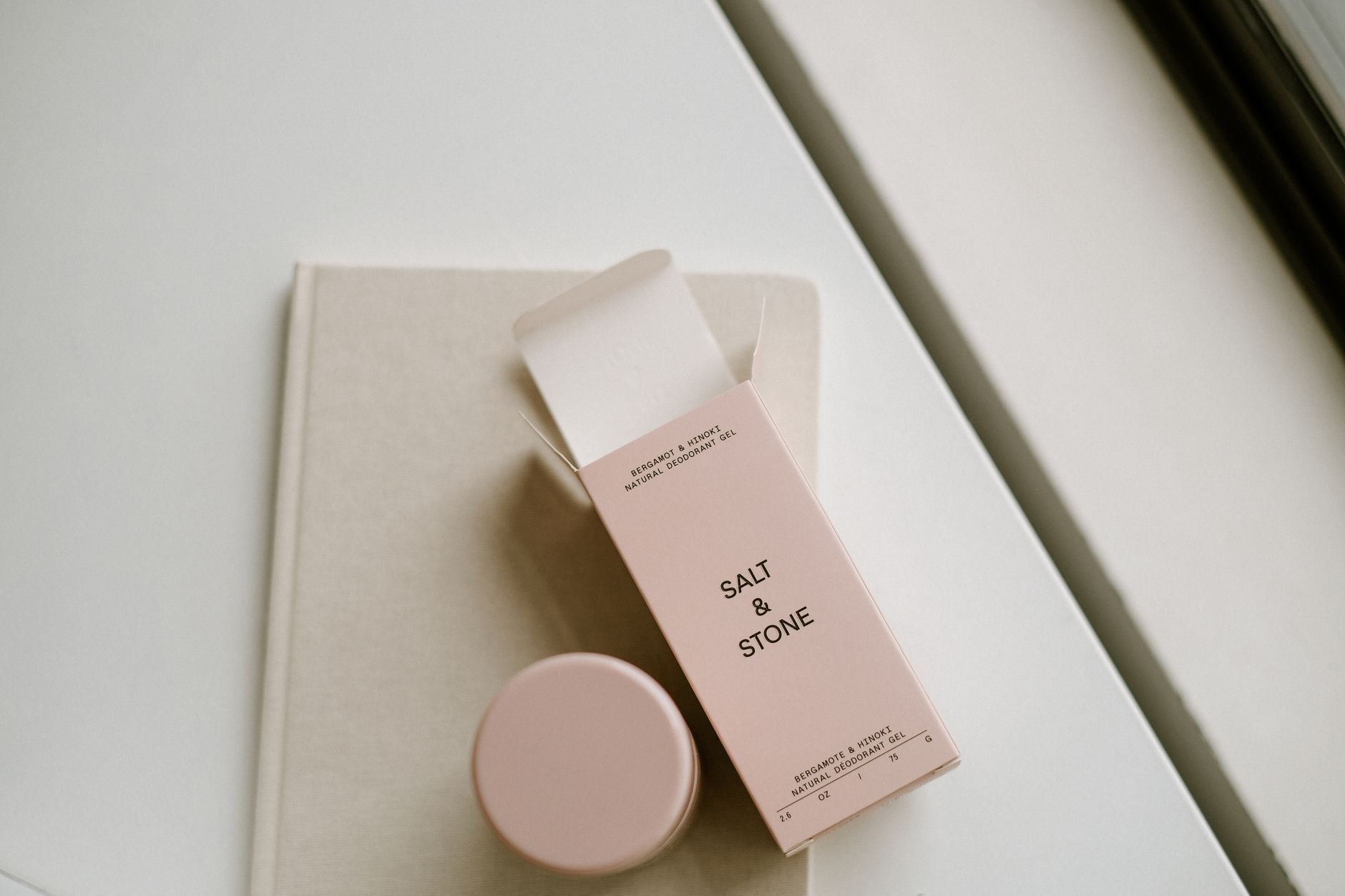 Photo by Valeriia Miller
Choosing the Right Logo Style
When it comes to logo styles, the right choice can communicate your brand's essence effectively.
Minimalist vs. Detailed Logos
- Minimalist Logos: These designs often feature clean lines and simple graphics. A minimalist logo works well if you wish to convey clarity and straightforwardness.
- Detailed Logos: If your brand has a rich story or a diverse lineup of products, a more detailed logo can capture your unique narrative.
Select a style that truly embodies your brand voice.
Color Psychology in Logo Design
Colors evoke emotions and can significantly influence consumer perception. Consider the following:
- Green for health and nature.
- Earthy tones convey sustainability and organic qualities.
- Soft pastels can evoke feelings of calm and freshness.
Choose colors that align with your brand's values and the emotions you want to evoke in your audience.
Using Logo Maker Shop to Create Your Logo
Creating your logo doesn’t have to be a daunting task. With Logo Maker Shop, you can streamline the entire process.
Step-by-Step Process Using Logo Maker Shop
- Visit the Logo Maker Shop: Go to Logo Maker Shop and start with their intuitive design tool.
- Choose a Design Template: Explore various templates suitable for organic products.
- Customize Your Logo: Use the customization features to adjust colors, fonts, and icons to match your brand identity.
- Preview Your Logo: Make sure to visualize how your logo looks in different formats and backgrounds.
Customizing Your Logo
Once you've chosen a base design, customize it to reflect your organic values. Consider adding elements that represent nature, such as leaf motifs or earthy textures, contributing to the overall organic appeal of your logo.
Finalizing Your Logo Design
Feedback is vital in the logo design process. It ensures your design resonates with your audience and works across various mediums.
Seeking Feedback from Target Audience
Before finalizing your logo, share your designs with some potential customers. Collect their feedback and gauge their reactions. Are they drawn to it? Does it communicate what you intended? Their responses can guide final adjustments.
Testing for Versatility
Your logo should work across a range of formats, from product packaging to your website. Make sure it’s clear and visually appealing on all possible backgrounds.
Launching Your New Logo
Once the design is complete, it’s time to unveil your new logo to the world.
Announcing Your Logo to Customers
Use social media platforms to announce your new logo. Create a campaign that shares the story behind its design and how it aligns with your brand values. People love to see authenticity!
Integrating Logo into Marketing Materials
Update all your marketing materials with the new logo. This includes your website, business cards, labels, social media profiles, and any other touchpoints. Consistency helps strengthen brand recognition.
Conclusion
Creating a logo for your organic deodorant brand is an exciting journey that reflects your values and mission. Start by understanding your brand identity, researching trends, and using tools like Logo Maker Shop to facilitate the design process. Remember to seek feedback and ensure your new logo is versatile and prominently integrated into your marketing. A strong visual identity will undoubtedly elevate your presence in the organic market and connect you with your ideal customers. Embrace this journey, and let your logo be a true representation of your brand's essence!

Michael Harper is a Senior Content Strategist at MarketInsider.co, a premier source for insights on digital marketing and business trends. With over 15 years of expertise in content development and strategic communications, Michael is renowned for his ability to craft compelling narratives that resonate with diverse audiences. He holds a Bachelor’s degree in Journalism from New York University and a Master’s degree in Business Administration from Columbia Business School. Outside of work, Michael is passionate about historical literature and enjoys hiking the trails of the Pacific Northwest.