Creating a Logo for Your Optical Retail Business
Designing a logo is arguably one of the most pivotal steps when launching your optical retail business. A well-crafted logo serves as your brand’s visual identity, helping customers recognize and remember your brand amid the bustling competition. Think of your logo as the first handshake with your customer—it's that crucial first impression that can make a difference. So, how do you create a logo that encapsulates your vision and resonates with your audience? Let’s explore the essential steps together.
Understanding Your Brand Identity
Before you jump into logo design, it’s vital to understand your brand identity. What message do you want your logo to convey?
Identifying Your Unique Selling Proposition
Your unique selling proposition (USP) sets you apart from others in the optical retail space. Are you focused on affordability, luxury, or unique eyewear designs? Highlighting this USP in your logo can help communicate your brand’s essence. For example, if you specialize in eco-friendly glasses, consider incorporating green hues or natural imagery to reflect that.
Knowing Your Target Audience
Who are your customers? Are they fashion-forward young adults, families, or seniors? Understanding your audience allows you to tailor your logo effectively. A logo aimed at teenagers will look different than one designed for older adults. Using shapes, colors, and typography that resonate with your target demographic can make your brand more relatable.
Finding Inspiration for Your Logo
Great logos don’t just come out of thin air; they often emerge from a wellspring of inspiration.
Researching Competitor Logos
Look at what your competitors are doing. What works well in their logo designs? Analyze their color schemes, typography, and overall aesthetic. This not only helps you identify successful trends but also ensures your logo stands out in the marketplace. Remember, it’s about creating something unique, not copying someone else's work.
Exploring Design Trends in Optical Retail
Stay updated with the latest logo design trends in the optical industry. Currently, minimalistic designs, geometric shapes, and elegant typography are popular. Take a moment to explore different styles and see what might align best with your brand image.
Choosing the Right Logo Style
Selecting the right logo style is crucial. There are various types, each with its advantages and limitations.
Text-based Logos vs. Image-based Logos
- Text-based logos: These logos use your brand name in a particular typeface. They can be straightforward and easy to remember. On the downside, they might lack visual intrigue.
- Image-based logos: These logos use symbols or icons to represent your brand. They can be eye-catching and memorable, but they often require more effort to establish brand recognition.
Consider which type aligns best with your brand message and resonates with your audience.
Iconic Elements for Optical Logos
When thinking about imagery, certain elements resonate well in the optical retail sector. For example, glasses, lenses, or even visual elements suggesting vision can create a quick connection with your audience. Using these symbols can help make your logo easily recognizable and relatable.
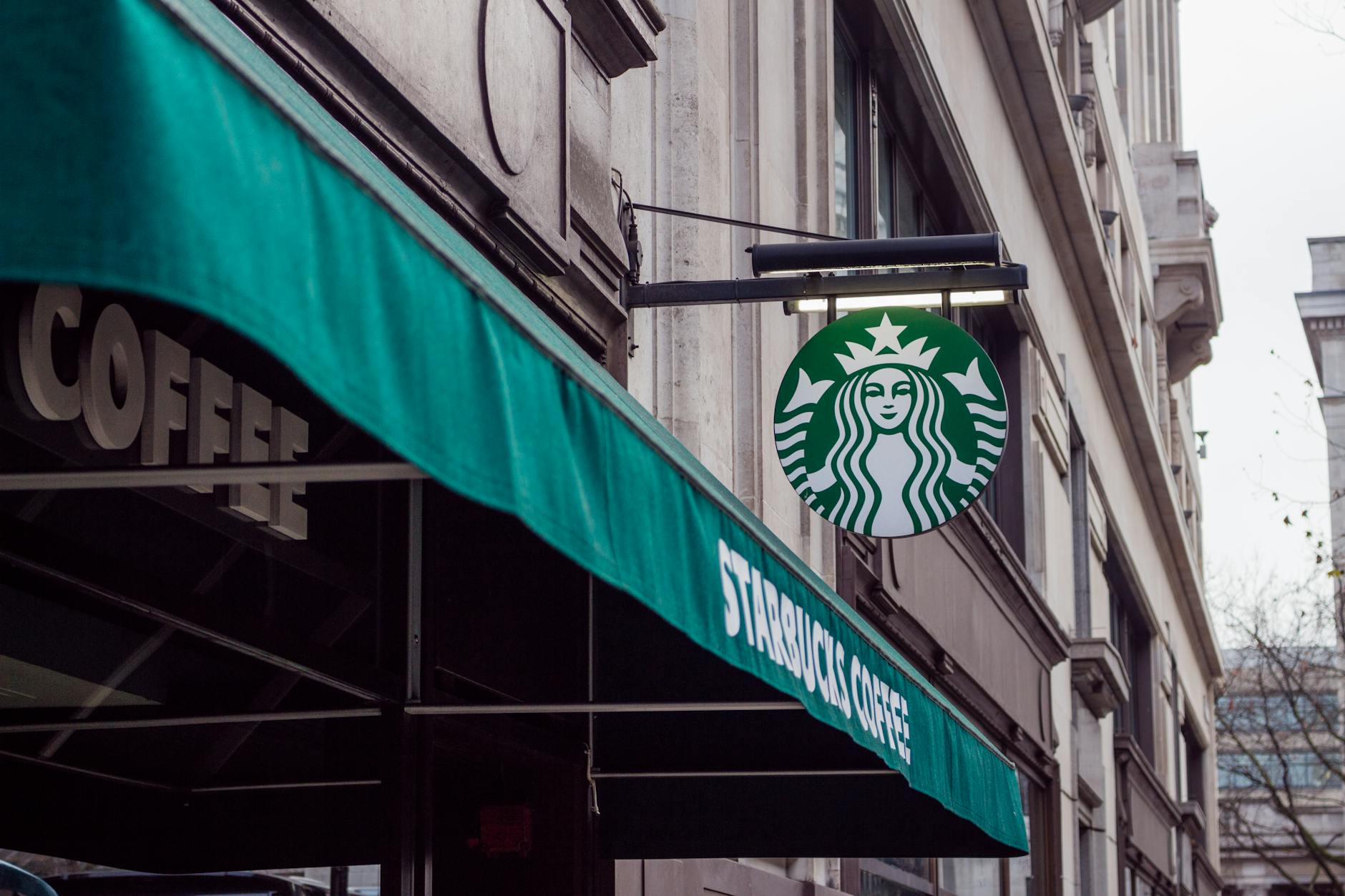
Photo by Dom J
Color Psychology in Logo Design
The colors you choose for your logo can evoke specific emotions and perceptions.
Effective Color Schemes for Optical Retail
- Blue: Often associated with trust and dependability, blue can be a winner to invoke feelings of professionalism.
- Green: Representing health and cleanliness, green might work well if you focus on eco-friendly products.
- Red: This bold hue can suggest passion and urgency, motivating customers to act.
Mixing these colors effectively can lead to a visually appealing palette that aligns with your brand identity.
Using the Logo Maker Shop for Your Design
Now that you’re equipped with ideas and insights, it’s time to start crafting your logo using the Logo Maker Shop.
Step-by-Step Guide to Creating Your Logo
- Define your brand elements: Start with your brand identity, USP, and color palette.
- Explore templates: Browse the extensive range of templates available in the Logo Maker Shop tailored for optical retail.
- Customize your logo: Adjust colors, fonts, and icons to reflect your brand’s personality.
This easy-to-use platform allows you to play around with various elements until you find what feels just right.
Customizing Your Logo Elements
Personalizing your logo ensures it’s uniquely yours. Don’t hesitate to tweak fonts, adjust the layout, or even change colors until you feel it genuinely represents your business. This personalization is what will ultimately set you apart.
Finalizing Your Logo Design
Once you have a draft of your logo, it’s time to refine and finalize it.
Gathering Feedback from Peers
Before settling on your design, seek constructive criticism from friends or family. Their outside perspective can highlight areas for improvement or affirm your choices. Collect responses, and don’t take any feedback too personally—it’s all to create a stronger design.
Testing Your Logo with Your Audience
Conduct a small survey or run polls on social media to gauge your audience's reaction to different logo options. Their insights can guide you in making the final choice that resonates with your target market.
Conclusion and Next Steps
Creating a logo for your optical retail business is an exciting journey that sets the tone for your brand identity. A strong logo helps build recognition and trust with your customers. Whether you’re inspired by competitors or exploring current design trends, remember that your logo should reflect your unique selling proposition. With the tips outlined here and the Logo Maker Shop at your disposal, you’re ready to embark on this creative process. Get started today, and watch your optical retail business take off!

Michael Harper is a Senior Content Strategist at MarketInsider.co, a premier source for insights on digital marketing and business trends. With over 15 years of expertise in content development and strategic communications, Michael is renowned for his ability to craft compelling narratives that resonate with diverse audiences. He holds a Bachelor’s degree in Journalism from New York University and a Master’s degree in Business Administration from Columbia Business School. Outside of work, Michael is passionate about historical literature and enjoys hiking the trails of the Pacific Northwest.