How to Create a Logo for My Own Optical Coating Industry
Creating a logo for your optical coating company is an important step in establishing your brand identity. A well-designed logo not only represents your business visually but also serves to build recognition in a competitive market. In the optical coating industry, where precision and quality are vital, your logo needs to reflect these values. Let’s embark on this journey to create an impactful logo that resonates with your audience.
Understanding Your Brand Identity
Before diving into design, take a moment to define your brand’s mission, values, and audience. Your logo should encapsulate what your business stands for.
Defining Your Unique Selling Proposition (USP)
What separates your optical coating company from the rest? Identifying your Unique Selling Proposition (USP) is critical. Whether it's innovative coating technology, superior customer service, or exceptional durability, your logo should hint at this unique edge.
Identifying Your Target Audience
Your logo should speak directly to your ideal customers. To identify who these customers are, ask yourself questions like:
- What industries do they belong to?
- What problems do they need solved?
- How do they perceive value in optical coatings?
Understanding your audience allows you to tailor your design to engage them effectively.
Finding Inspiration for Your Logo
When it comes to logo creation, inspiration is everywhere.
Researching Competitor Logos
Take a look at your competitors. Analyze their logo designs to spot trends and gaps in the market. What colors, styles, and symbols seem to dominate? This research can provide insight into what works and what might not.
Creating a Mood Board
Compile a mood board that visually represents your brand’s essence. Collect images, colors, fonts, and other elements that resonate with your product offerings. This is a way to organize your thoughts and visualize how they come together.

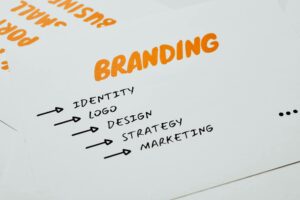
Photo by Engin Akyurt
Choosing the Right Logo Style
Your logo's style helps communicate your brand's voice.
Types of Logos to Consider
There are various types of logos, and each can convey a different message:
- Wordmarks: These logos feature your brand's name in a stylized font.
- Symbols: A standalone image that represents your brand.
- Combination Marks: A blend of both text and an image.
For your optical coating company, a combination mark might work best, merging both your name and an illustrative element that captures the essence of your services.
Modern vs. Vintage Styles
Think about your audience when choosing a style. Modern designs often appear sleek and straightforward, while vintage styles can evoke nostalgia and stability. If your coatings have a history of excellence, a more traditional design may resonate well.
Designing Your Logo with Logo Maker Shop
Creating your logo doesn't have to be daunting. The Logo Maker Shop is an excellent platform to start with.
Step-by-Step Process on Logo Maker Shop
- Visit the Logo Maker Shop: Go to Logo Maker Shop.
- Select a Template: Choose a template that aligns with your vision.
- Customize Your Design: Edit colors, fonts, and symbols to match your brand identity.
Customizing Your Logo
Make your logo emblematic of your brand’s personality. Emphasize your colors and fonts that resonate with the qualities you want to project to your audience.
Color and Font Selection
Colors and fonts convey emotions and values.
Understanding Color Psychology
Different colors can evoke specific feelings. For example:
- Blue often symbolizes trust and professionalism.
- Green represents health and growth.
Choosing the right colors for your optical coating business can significantly influence perception.
Choosing Appropriate Fonts
Fonts also play a crucial role in conveying your brand’s message. For a professional look, consider serif or sans-serif fonts. Ensure your font is legible across various mediums, from business cards to websites.
Finalizing Your Logo Design
Once you have a draft of your logo, it’s time to refine it.
Collecting Feedback from Peers
Share your design with trusted colleagues or friends to gather constructive feedback. Ask them what emotions the logo evokes and if it aligns with your company’s values.
Preparing for Launch
Before rolling out your logo, ensure it's optimized for various applications—from digital formats to printed materials. Test its visibility and recognition in different contexts.
Using Your Logo to Build Brand Identity
Once your logo is ready, consistency is key.
Implementing Your Logo on Marketing Materials
Your logo should be at the forefront of all your branding efforts. Use it on:
- Business cards
- Websites
- Packaging
This consistency strengthens recognition and trust with potential customers.
Measuring the Impact of Your Logo
After launching, measure how well your logo resonates with your audience. Use surveys or analytics to assess brand engagement. This feedback will be crucial in strengthening your brand over time.
Conclusion
Creating a logo for your optical coating industry is not just about aesthetics; it's about forging a strong brand identity that speaks to your audience. By understanding your brand, researching competitors, utilizing tools like the Logo Maker Shop, and maintaining consistency in your branding, you’re setting the foundation for your business's success. So, roll up your sleeves, dive into the design process, and create a logo that truly represents your optical coating company! Start creating your logo today using the Logo Maker Shop.

Michael Harper is a Senior Content Strategist at MarketInsider.co, a premier source for insights on digital marketing and business trends. With over 15 years of expertise in content development and strategic communications, Michael is renowned for his ability to craft compelling narratives that resonate with diverse audiences. He holds a Bachelor’s degree in Journalism from New York University and a Master’s degree in Business Administration from Columbia Business School. Outside of work, Michael is passionate about historical literature and enjoys hiking the trails of the Pacific Northwest.