How to Create a Logo for My Own Lithium Ion Battery Industry
Creating a logo for your lithium-ion battery business is not just an aesthetic exercise; it's a vital step in defining your brand identity and standing out in the market. A strong logo communicates who you are and what you stand for. It lays the foundation for your brand's visual representation, instilling trust and recognition among your customers.
Understanding the Lithium Ion Battery Industry
The lithium-ion battery industry is characterized by rapid technological innovations and an increasing focus on renewable energy solutions. When designing your logo, consider the specific attributes that define this sector. Your logo should reflect the core values of sustainability, innovation, and reliability—elements that resonate deeply with your audience.
Market Trends and Competitors
To make your logo effective, recognize the trends shaping the lithium-ion battery industry. Companies are moving towards more minimalistic designs that emphasize clarity and modernity. Analyzing competitors' logos can be insightful. Observe how they utilize color, typography, and imagery. This competitive analysis will help you avoid blending in while ensuring your design stands apart from the rest.
The Importance of a Unique Logo
A unique logo plays a crucial role in enhancing brand recognition. It is the first impression prospective customers will have of your business. When you present a professional and memorable logo, you create an image of trust and credibility. Consumers are more likely to choose your products if they feel an emotional connection to your brand's visual identity.
What Makes a Logo Effective?
An effective logo encompasses simplicity, memorability, and relevance. Simplicity aids in recognition, making it easier for consumers to remember you. A memorable design generates positive associations, and relevance ensures that your logo resonates with your target audience's values and expectations.
Steps to Create Your Logo
Creating a logo specifically for the lithium-ion battery industry can seem daunting, but breaking it down into clear steps can simplify the process.
Define Your Brand Identity
To kick things off, you’ll want to articulate your business’s mission and values. Are you focused on innovative technology, environmental sustainability, or excellent customer service? Define your target audience—is it tech enthusiasts, eco-conscious consumers, or industrial partners? Clarifying these aspects will guide your design decisions.
Research and Brainstorming
Start looking at existing logos within the industry for varied inspiration. What elements appeal to you? What trends do you notice? Spending time brainstorming will help you identify ideas that capture the essence of your brand. Consider creating a mood board to visualize your thoughts.
Choosing the Right Logo Style
Your logo can take on various styles, such as wordmarks, letterforms, or symbols. For a battery business, a combination of a symbol that represents energy along with a modern typeface could effectively convey your message. Align your chosen style with your brand identity for the best results.
Color Psychology in Logo Design
Color plays a pivotal role in logo design, especially in the tech industry. Different colors evoke different emotions and perceptions. For instance, blue often conveys trust and reliability, while green symbolizes sustainability. Choosing the right color palette can significantly enhance your brand message.
Typography Selection
Choosing the right font is equally important, as it contributes to your logo’s personality. Opt for fonts that reflect innovation and reliability. Sans-serif fonts often lend a modern and clean look, which can be ideal for a tech-oriented industry like yours.
Utilizing Logo Maker Shop for Design
Consider utilizing the Logo Maker Shop to streamline your logo creation process. Their intuitive design tools can help you bring your vision to life without the hassle of complex software.
Template Ideas and Customization
At Logo Maker Shop, you can explore various templates tailored for the tech and battery industry. Customize colors, fonts, and elements to better reflect your brand without starting from scratch.
Incorporating Feedback
Don’t hesitate to seek feedback from stakeholders or your target audience. Getting diverse opinions can offer fresh perspectives and help you make necessary adjustments before the final reveal.
Refining Your Logo Design
An initial design is just the beginning; refining it is equally vital. Revisit and tweak your design based on the input you've received.
Testing Your Logo Across Platforms
Ensure your logo works across all platforms—websites, social media, and packaging. It should be recognizable at different sizes and maintain its integrity regardless of where it's displayed.
Finalizing the Design
Once you’ve made the necessary adjustments and finalized your design, ensure that you have multiple file types for various uses. High-resolution images, vector files, and color variations will serve you well in different applications.
Conclusion: Next Steps for Launching Your Logo
Creating an effective logo is an essential step toward branding your lithium-ion battery business. It encapsulates your values and vision while attracting your target audience. Once your logo is ready, integrate it across all your marketing channels to establish brand consistency.
Wrapping Up Your Logo Creation Journey
Now that you're equipped with the knowledge and tools to create a standout logo, it’s time to take action. Dive into the resources available on the Logo Maker Shop and start your logo creation process today. Every great brand starts with a memorable logo—yours could be next!
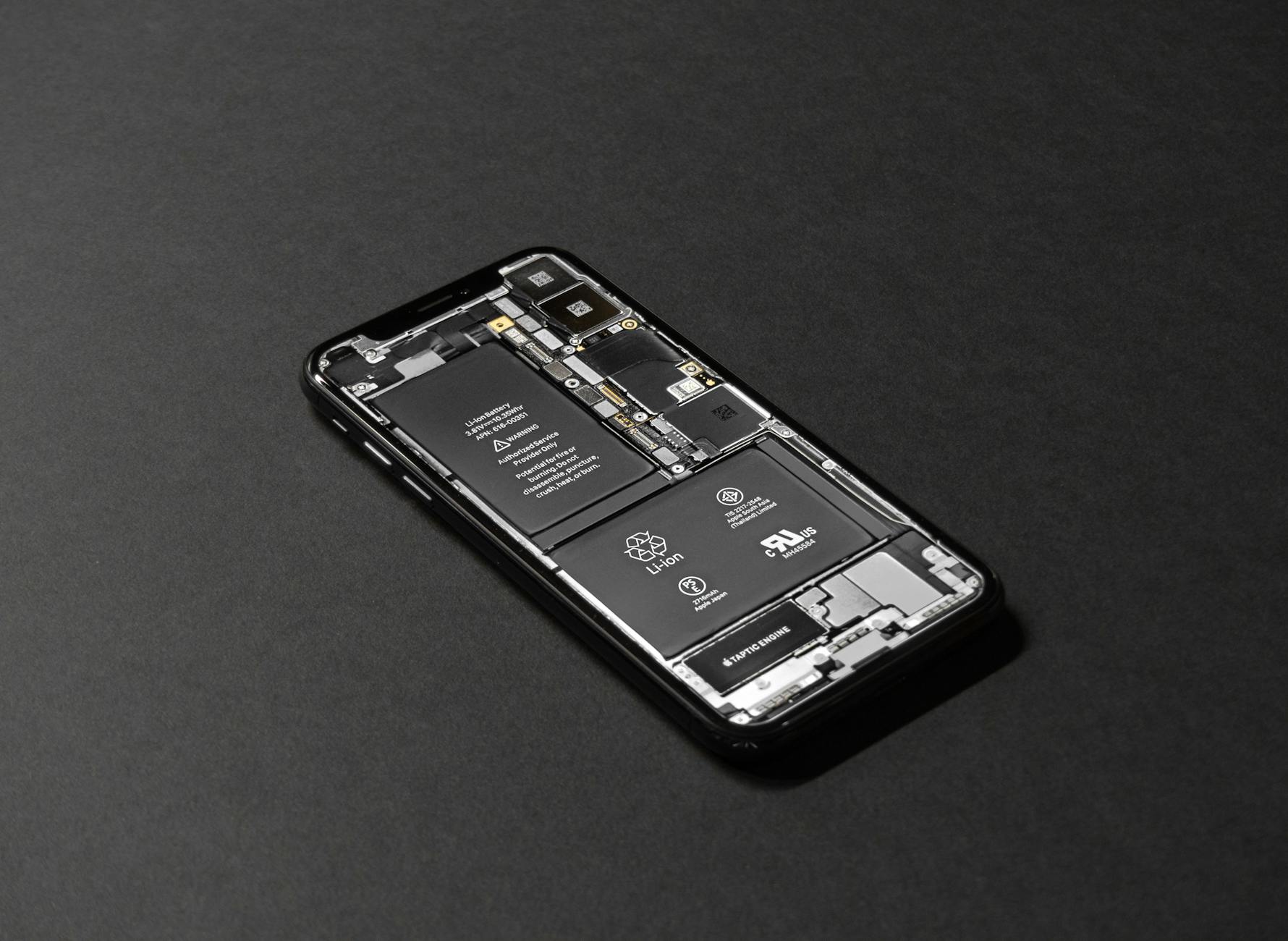
Photo by Tyler Lastovich

Michael Harper is a Senior Content Strategist at MarketInsider.co, a premier source for insights on digital marketing and business trends. With over 15 years of expertise in content development and strategic communications, Michael is renowned for his ability to craft compelling narratives that resonate with diverse audiences. He holds a Bachelor’s degree in Journalism from New York University and a Master’s degree in Business Administration from Columbia Business School. Outside of work, Michael is passionate about historical literature and enjoys hiking the trails of the Pacific Northwest.