How to Create a Logo for My Own Listing Aggregation Industry
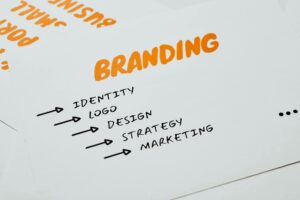
Creating a logo isn’t just a creative exercise; it’s a vital step in establishing your brand identity. In the listing aggregation industry, where competition is fierce and clarity is essential, your logo serves as the cornerstone of your brand's visual representation. A well-designed logo communicates who you are, what you do, and why you’re different.
Understanding Your Brand Identity
Defining your brand’s mission, vision, and target audience is paramount to crafting a meaningful logo.
Defining Your Mission and Vision
What do you want your business to achieve? Your mission and vision are the guiding principles that shape your logo design. For instance, if your aim is to connect users to the best listings quickly, your logo should reflect speed, efficiency, and trustworthiness. Consider what emotions you want to evoke and how your logo can visually communicate these attributes.
Identifying Your Target Audience
Knowing your audience can dramatically influence your logo's aesthetics. If your primary users are tech-savvy millennials, a modern, sleek design might hit the mark. On the other hand, if your audience includes older generations, a more classic approach may resonate better. Take time to create user personas and think about how their preferences can shape your logo.
Finding Inspiration for Your Logo Design
Inspiration is everywhere. Dive into the world of successful logos in the listing aggregation space and explore design trends.
Researching Competitors
Take a look at what your competitors are doing. What works well for their logos? What doesn’t? By evaluating competitor logos, you can identify unique design elements that will differentiate your brand in a crowded marketplace. Perhaps a common color scheme is used by many; consider opting for a bold, contrasting color instead.
Collecting Visual Inspiration
Utilize platforms like Pinterest and Behance to gather images that resonate with your brand. Create a mood board where you paste logos, color palettes, and fonts that attract you. This exercise will help you visualize what you want and provide a clearer roadmap for your design process.
Choosing Your Logo Style
Now that you're inspired, think about the various logo styles and how they align with your identity.
Exploring Logo Types
There are several logo types to consider:
- Wordmark: This features your brand name in a unique font. It's great for recognition, especially if your brand name is catchy.
- Symbol: This type uses imagery without text. Think of your logo as an emblem that encapsulates your brand essence.
- Combination: A blend of both text and symbols, this style offers versatility and recognition.
Understanding these types helps you decide which best fits your brand identity.
What Style Represents Your Brand?
Consider your brand’s characteristics. Are you playful or serious? Modern or classic? A playful company may lean towards bright colors and whimsical fonts, while a more serious company might choose muted tones and minimalist designs.
Utilizing Logo Maker Shop for Design
Once you have a vision, the next step is using tools to bring it to life. Logo Maker Shop provides an excellent platform for DIY logo design.
Step-by-Step Design Process Using Logo Maker Shop
- Sign Up: Create an account on Logo Maker Shop.
- Choose a Logo Type: Select from various logo styles based on your exploration and research.
- Customize: Use the built-in tools to tweak colors, shapes, and fonts. Don’t hesitate to experiment!
- Preview: Look at how your logo appears in various contexts, such as business cards or social media profiles.
Customizing Your Logo
Take advantage of features that allow for personalization. Adjusting color palettes, font styles, and logo shapes is critical in ensuring that your logo feels authentic to your brand identity. Remember, simplicity is key; an overly complicated logo can confuse prospective customers.

Photo by Agita Prasetyo
Refining Your Logo Design
Getting feedback is crucial. It's often hard to see areas for improvement in our own designs.
Gathering Feedback from Peers
Share your logo drafts with trusted friends or colleagues. Ask them what emotions the logo evokes and whether it aligns with your brand identity. Constructive criticism can help you refine your design to better meet your goals.
Making Necessary Adjustments
Once you gather feedback, have the mindset that iteration leads to better designs. It’s okay to go back to the drawing board if needed. Fine-tuning your logo based on feedback can enhance its effectiveness and appeal.
Finalizing and Implementing Your Logo
Your logo isn’t just for show; it needs to function across various platforms and formats.
Exporting and Saving Your Logo
When it’s time to export your logo, be mindful of file types. Use formats like PNG for websites and JPEG for printed materials. Ensure that your logo retains quality and clarity, even at different sizes.
Using Your Logo Effectively in Marketing
Leverage your logo across all branding materials. From social media profiles to business cards, consistency will boost brand recognition. Consider creating guidelines to maintain uniformity in colors and usage.
Conclusion
Creating a logo for your listing aggregation business is a thrilling journey. By clearly defining your brand’s identity, seeking inspiration, and utilizing the tools at your disposal, you can design a logo that is both memorable and reflective of your values. Don’t rush the process; take your time to refine and implement your logo effectively. Now, roll up your sleeves and get started—your brand deserves it!

Michael Harper is a Senior Content Strategist at MarketInsider.co, a premier source for insights on digital marketing and business trends. With over 15 years of expertise in content development and strategic communications, Michael is renowned for his ability to craft compelling narratives that resonate with diverse audiences. He holds a Bachelor’s degree in Journalism from New York University and a Master’s degree in Business Administration from Columbia Business School. Outside of work, Michael is passionate about historical literature and enjoys hiking the trails of the Pacific Northwest.