How to Create a Logo for My Own Liquid Sugar Industry
In the bustling world of food and beverage, standing out is crucial, especially in the liquid sugar industry. A distinctive logo isn’t just an accessory; it's a powerful tool that establishes brand identity and aids in recognition. It tells your customers what you stand for, creating a lasting impression. Let’s explore how to create a logo that reflects your unique vision and captivates your audience.
Understanding Your Brand Identity
Before you begin sketching ideas for a logo, it’s vital to understand your brand identity. What do you want your liquid sugar company to represent?
Defining Your Unique Selling Proposition (USP)
Your USP is what sets you apart from competitors. Is your product organic? Maybe it features innovative flavors or uses eco-friendly packaging. Reflecting this uniqueness in your logo can attract the right customers. Think of your logo as a visual elevator pitch. It should communicate your brand's essence in a glance.
Target Audience Analysis
Who are your ideal customers? Understanding your audience is key to crafting a logo that resonates. Are they health-conscious individuals or busy parents looking for convenience? Researching demographics and preferences helps tailor your logo design directly to your target audience's values and lifestyles.
Finding Inspiration for Your Logo
Finding inspiration is an essential step in the logo creation process. The world is full of creative ideas; you just have to know where to look!
Researching Industry Trends
Staying updated with current trends in the liquid sugar industry can provide valuable insights. Are brands focusing more on sustainability? Perhaps there’s a trend towards fun, playful designs. Seeing what works in the market allows you to innovate while remaining relevant.
Creating a Mood Board
A mood board is an excellent tool to visualize your logo's potential. Collect images, colors, and designs that resonate with your vision. This process clarifies your thoughts and gives you a palette from which to draw when you start designing. It's like holding a piece of your brand's personality in your hands.
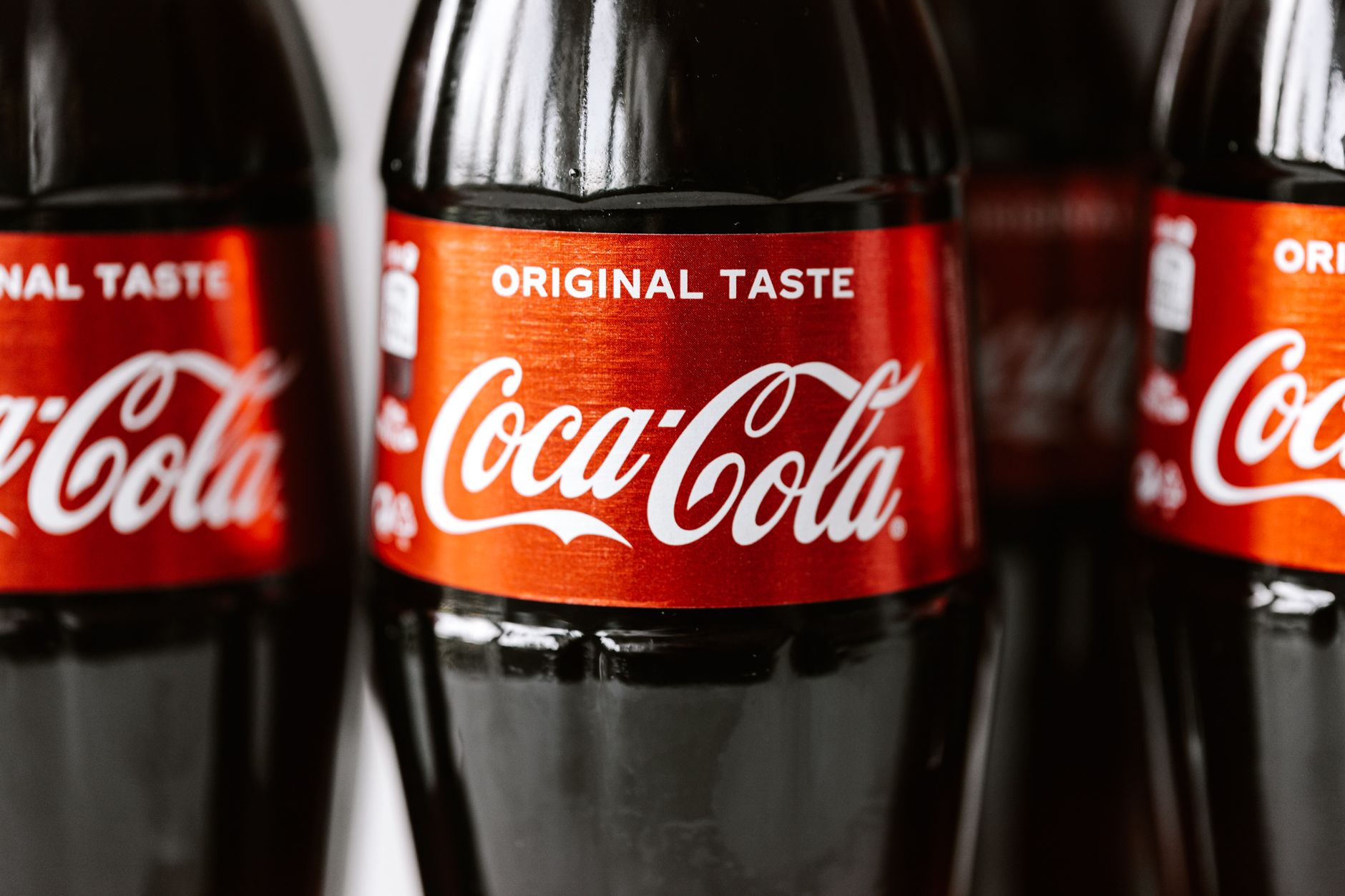 Photo by Kaboompics.com
Choosing the Right Elements for Your Logo
Crafting a logo isn’t just about throwing together some colors and fonts. It requires thoughtful selection of various elements.
Selecting a Color Palette
Colors evoke feelings and communicate messages. For your liquid sugar business, vibrant colors like yellows and reds may imply energy and sweetness, while greens can suggest healthiness and sustainability. Think about the emotional response you want your customers to have when they see your logo.
Choosing Fonts and Typography
Font selection plays a significant role in conveying your brand’s personality. A playful, rounded font can communicate approachability, whereas a sleek, modern font may imply sophistication. Your choice reflects the traits you want to highlight in your brand.
Incorporating Relevant Imagery
Imagery in logos should align with your brand’s message. For example, incorporating a sugar cane or a droplet can signify what your business is all about while attracting the right audience. The imagery should not only be visually appealing but also meaningful.
Utilizing the Logo Maker Shop
When you're ready to create your logo, using a platform like the Logo Maker Shop can simplify the process, allowing you to create a professional design without needing advanced skills.
Accessing Logo Maker Shop Tools
Start by browsing through the tools available in the Logo Maker Shop. The platform provides a variety of templates to help you get started. From logo ideas to design customization options, it’s designed to cater to your creative needs.
Customizing Your Logo Design
Once you select a template, it’s time to make it your own! Adjust colors, fonts, and icons to fit your brand's identity. Personalization is where you add your unique touch, ensuring that your logo stands out.
Reviewing and Refining Your Logo
After creating a preliminary design, gather feedback from trusted colleagues or potential customers. Critique is invaluable in identifying what resonates and what doesn’t. Based on the feedback, refine your logo to make sure it communicates your brand effectively.
Testing Your Logo
Before launching your logo, testing it with your target audience is essential to ensure it connects on a deeper level.
Gaining Feedback
Use surveys or focus groups to gain insights from your audience. Ask them what emotions your logo evokes or what they think your brand represents. This feedback provides a different perspective and can guide your final adjustments.
Making Necessary Adjustments
Flexibility is critical. Be open to making changes based on feedback, even if it means a significant redesign. The goal is to create something that resonates with your intended audience while representing your brand authentically.
Finalizing and Implementing Your Logo
After refining your logo, it’s time to roll it out and start using it in all your branding.
Branding Consistency
Maintain consistency of your logo across all platforms—online and offline. Use it on your website, business cards, social media, and product packaging. A consistent brand image fosters trust and recognition among customers.
Promoting Your New Logo
Announce your rebrand or new launch through a marketing campaign. Use social media, press releases, and newsletters to educate your audience about your new logo and what it signifies. Engaging stories about the design process or meaning can boost customer connection and interest.
Conclusion
Creating a logo for your liquid sugar industry is a journey that involves understanding your brand, finding inspiration, and utilizing design tools. By following the outlined steps, you can develop a logo that not only captures the essence of your business but also resonates with your target audience. Remember, a strong brand identity begins with a meaningful logo, and with the right approach, yours can stand out in the competitive market.

Michael Harper is a Senior Content Strategist at MarketInsider.co, a premier source for insights on digital marketing and business trends. With over 15 years of expertise in content development and strategic communications, Michael is renowned for his ability to craft compelling narratives that resonate with diverse audiences. He holds a Bachelor’s degree in Journalism from New York University and a Master’s degree in Business Administration from Columbia Business School. Outside of work, Michael is passionate about historical literature and enjoys hiking the trails of the Pacific Northwest.