How to Create a Logo for My Own Life Plan Communities Industry
Creating a logo is not just about putting a pretty picture on business cards or signage; it's about crafting an identity that resonates with the values and mission of your Life Plan Community. A well-designed logo can tell your unique story, foster recognition, and build trust among potential residents and their families. In a competitive market, establishing a strong brand is vital, and your logo is often the first impression you make. Let’s explore how to expertly navigate this design process.
Understanding Your Life Plan Communities Brand
The Life Plan Communities industry is unique, focusing on comprehensive lifestyle solutions for seniors. This necessitates a logo that not only reflects the community's amenities and services but also instills a sense of comfort and trust.
Defining Your Brand Identity
Begin by contemplating your community's core values and mission. What makes your Life Plan Community special? Are there unique services or amenities you provide? Identify your key messages and the characteristics you want to convey. For example:
- Comfort: If your community prioritizes a homely atmosphere, consider warm, earthy colors.
- Health & Wellness: Incorporating symbols like leaves or trees may reflect wellness and vitality.
Once you've established these foundational ideas, they will guide your logo's design direction.
Target Audience Considerations
Understanding your audience is just as crucial. Your logo needs to appeal to both seniors and their families, who may be evaluating choices based on trust and care. Ask yourself:
- What are the demographic specifics of your residents?
- What emotions evoke choice for families searching for a community?
Answering these questions can help ensure that your logo resonates effectively.
Research and Inspiration
Gathering ideas and inspiration can set the stage for your logo's creative journey.
Analyzing Competitor Logos
Look into the logos of competing Life Plan Communities. What elements do they utilize? Identify key features such as color schemes, typography, and imagery. This isn't about copying but rather ensuring your logo stands out by not overlapping with others in the space.
Collecting Visual Inspiration
Creating a mood board is a terrific way to compile visuals that resonate with your vision. Explore various design resources, social media platforms, and logo galleries. Collect images, color palettes, and typography styles that speak to you. These inspirations can steer your design toward what feels right.
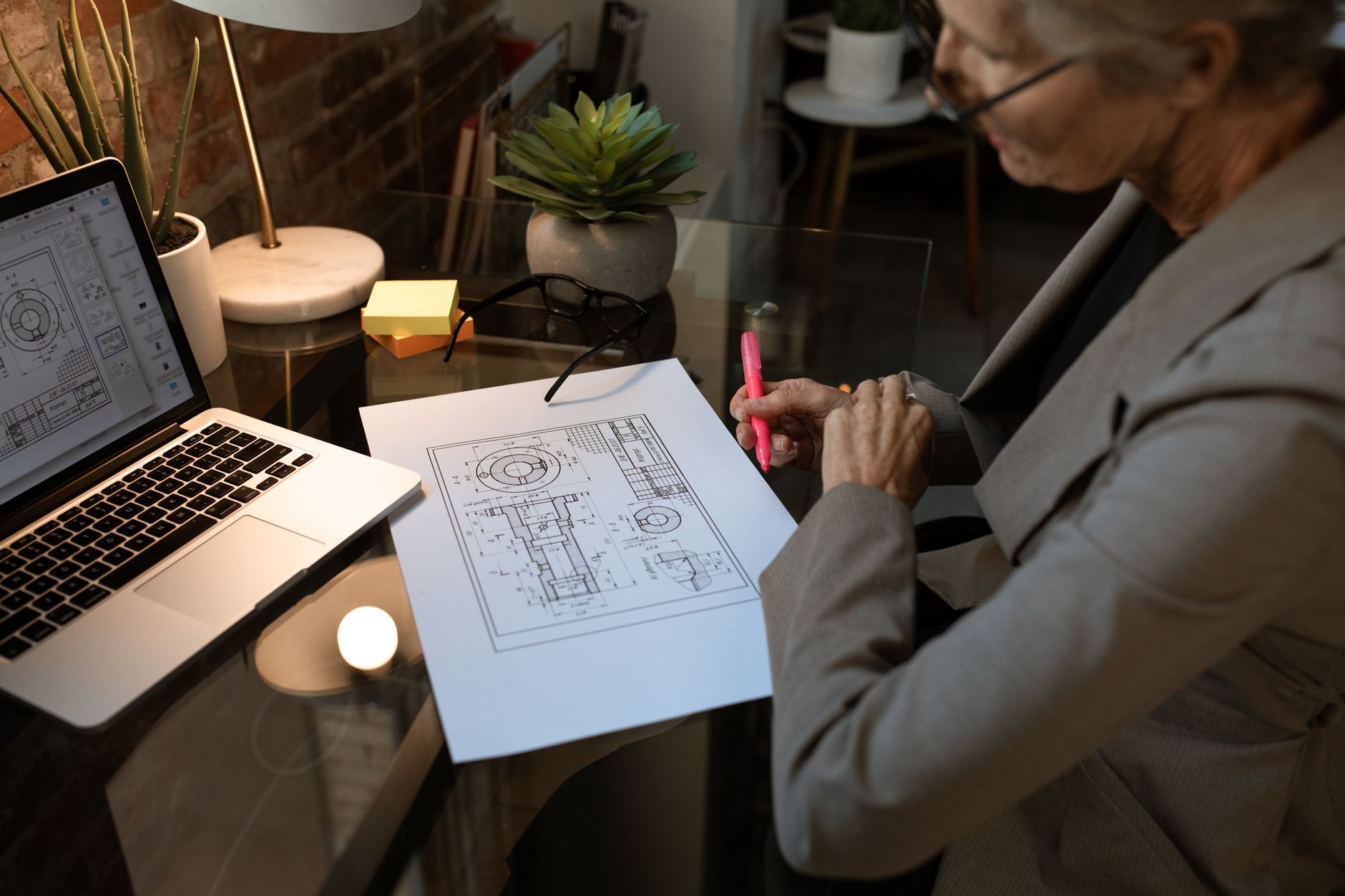
Photo by RDNE Stock project
Logo Design Process
Creating a logo isn't a one-step process; it's a journey filled with exploration.
Choosing the Right Logo Maker
To bring your vision to life, consider using the Logo Maker Shop. This user-friendly platform allows you to design a logo that aligns with your community's identity. With its diverse features, you can experiment with fonts, colors, and icons that best reflect your brand.
Designing the Logo Elements
Effective logos have intentional elements. Here’s a breakdown of key components:
- Imagery: Use symbols that tie back to your mission. Whether it's a home, tree, or heart, select images that align with the values you represent.
- Typography: Choose fonts that embody your community’s character. Modern, friendly typefaces can create a welcoming feel.
- Color Schemes: Colors invoke feelings. Blue may signify trust, while green can represent growth. Select a palette that harmonizes with your brand ethos.
Refining Your Design
Once you've created an initial design, gather feedback. Share your logo with residents, staff, and even family members of potential residents. This dialogue can provide valuable perspectives, allowing you to refine and revise your logo design until it aligns perfectly with your brand vision.
Finalizing and Launching Your Logo
As you approach the final stages of your logo creation, a few steps can ensure a smooth rollout.
Testing Your Logo Across Platforms
Check how your logo looks across various formats—digital, print, and merchandise. Test it in different sizes to ensure it remains clear and impactful. Make adjustments as necessary to maintain consistency.
Launching Your Logo
An effective launch involves more than just revealing your new logo. Consider the following for optimal exposure:
- Internal Rollout: Start by informing your staff and community before the public launch. Their advocacy can help spread the word.
- Social Media: Utilize your social media platforms to showcase the evolution of your logo, sharing the story behind the design to foster connection and engagement.
- Community Events: Host a small gathering to unveil the logo to residents and families. This presents a wonderful opportunity to invite conversations.
Maintaining Brand Consistency
Brand consistency reinforces your identity and builds trust over time.
Creating Brand Guidelines
Develop a branding style guide detailing how your logo should be used. This guide outlines color codes, font types, and proper usage scenarios to ensure a uniform presence across all materials, from brochures to social media posts.
Monitoring Brand Perception
Once your logo is live, actively seek feedback regarding its effectiveness. Surveys or informal chats with residents and families can give insights into whether the image resonates positively with them.
Conclusion
Creating a logo for your Life Plan Community isn't just a design task; it's a critical step toward establishing a memorable brand identity. By understanding your values, researching effectively, and utilizing the right tools, you can lay a strong foundation for your community's recognition and outreach. A well-crafted logo is more than a visual; it represents trust, care, and a commitment to serving your residents and their families. Let your logo tell your story!
For additional insights, be sure to check out Logo Ideas and How to Create Logos with Logo Maker Shop for expert guidance in your design journey.

Michael Harper is a Senior Content Strategist at MarketInsider.co, a premier source for insights on digital marketing and business trends. With over 15 years of expertise in content development and strategic communications, Michael is renowned for his ability to craft compelling narratives that resonate with diverse audiences. He holds a Bachelor’s degree in Journalism from New York University and a Master’s degree in Business Administration from Columbia Business School. Outside of work, Michael is passionate about historical literature and enjoys hiking the trails of the Pacific Northwest.