How to Create a Logo for My Own Leisure Rental Industry
When you step into the leisure rental industry, your logo will be your first impression—a visual handshake that beckons customers through your doors. A well-crafted logo serves as more than just decoration; it embodies your brand identity and shapes the perception customers have of your business. In this guide, you'll learn how to create a logo that not only stands out but also resonates with your target audience.
Understanding Your Brand Identity
Before you pick up a design tool, you need to understand your brand. What are your values and mission? Your logo should be a reflection of these core principles.
Defining Your Unique Selling Proposition
Ask yourself: what sets your leisure rental business apart from the competition? Is it exceptional customer service, exclusive locations, or special features of your rentals? Pinpointing your unique selling proposition (USP) will guide your logo design. Your logo should communicate this USP at a glance, whether it's through imagery, colors, or typography.
Target Audience Analysis
Understanding your target audience is crucial. Consider their age, interests, and motivations for renting. A family-friendly rental service might benefit from playful designs, while a luxury rental could adopt a more elegant style. Tailoring your logo to fit the preferences of your target demographic ensures it resonates and engages effectively.
Gathering Inspiration
Once you grasp your brand identity, it’s time to gather inspiration.
Researching Competitors' Logos
Look at existing logos in the leisure rental industry. Identify common themes and elements that attract customers. This isn’t about copying; rather, it’s about understanding what works. By analyzing competitors, you can spot gaps and opportunities for your logo to shine.
Creating a Mood Board
A mood board can help you visualize your ideas. Gather images, colors, and fonts that resonate with your vision. This will serve as a visual reference during the design process. Think of it as a guiding light that keeps the design aligned with your brand's essence.
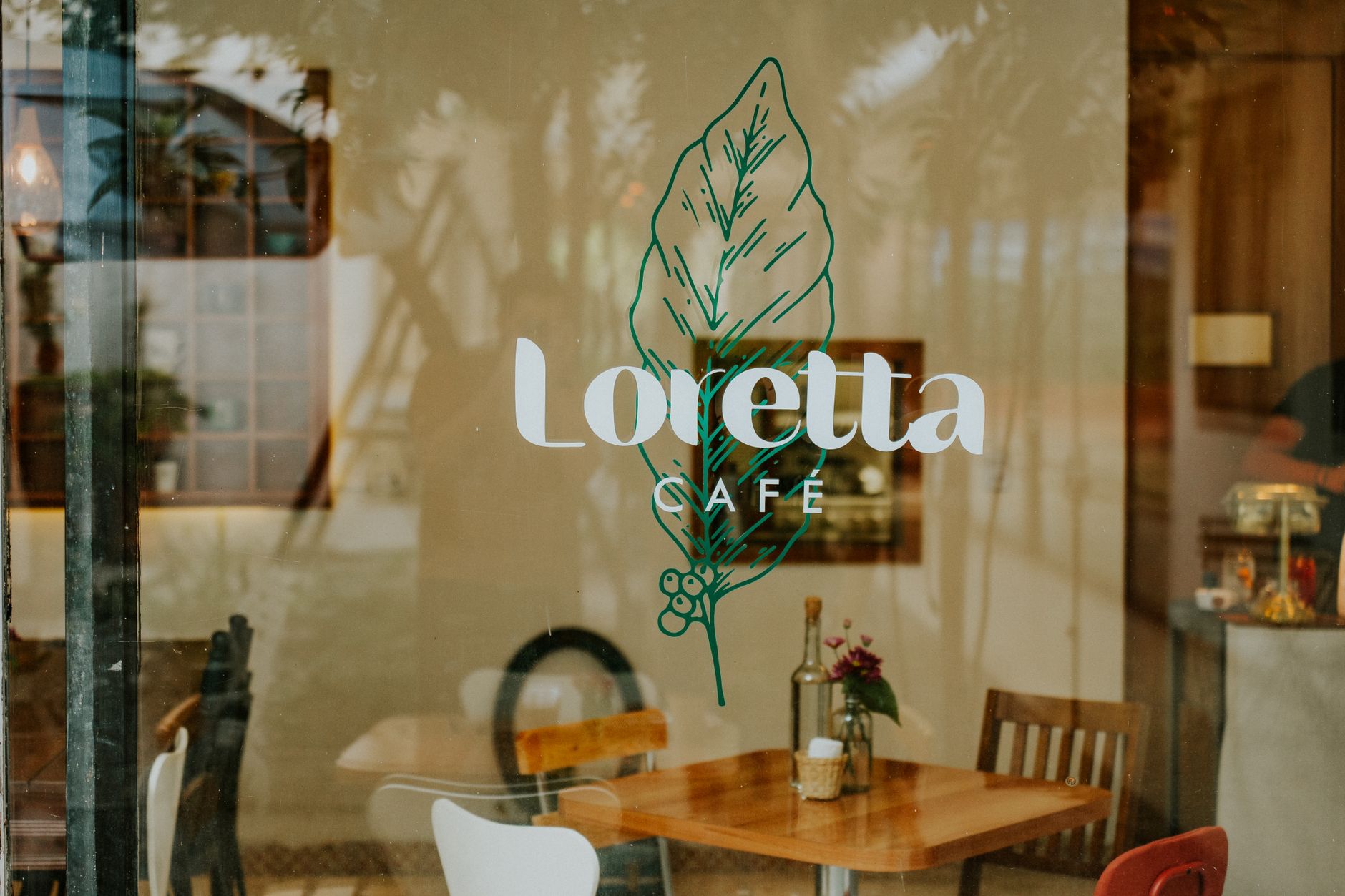 Photo by Amar Preciado
Choosing Key Design Elements
Picking the right design elements is essential in making your logo unforgettable.
Logo Styles and Trends
The leisure rental market embraces a variety of styles. Minimalistic logos, retro designs, or playful graphics can speak volumes. Research current logo trends to find inspiration that fits your brand. Aim for a design that feels contemporary yet timeless.
Color Psychology in Leisure Rentals
Colors evoke emotions. Blue might convey trust and relaxation, while orange represents friendliness and enthusiasm. Choose colors that will resonate with your audience and align with your brand identity. Make sure your color scheme not only captures attention but also reflects the atmosphere of your rentals.
Typography Choices
Fonts tell a story. A modern sans-serif font communicates a clean, crisp vibe, while a handwritten font can evoke warmth and approachability. Choose a font that aligns with your brand’s personality, making sure it's easy to read.
Using Logo Maker Shop for Your Logo Design
One of the best ways to streamline this process is by utilizing the Logo Maker Shop. This online tool simplifies logo creation, allowing you to experiment with your ideas without the fuss of complex software.
Step-by-Step Logo Creation Process with Logo Maker Shop
- Enter Your Business Details: Start by entering your business name and tagline in the logo maker.
- Choose Design Styles: Select design styles that resonate with your brand identity.
- Pick Colors: Utilize the color options to align with your brand's color psychology.
- Explore Fonts: Browse through various fonts that match your theme.
- Review and Revise: Fine-tune your design until it matches your vision.
Customizing Your Logo Design
Feel free to modify elements of your logo to truly reflect who you are. The Logo Maker Shop allows for easy changes in colors, fonts, and layouts. Take your time experimenting until you feel confident that it captures your brand essence.
Finalizing Your Logo
After you've crafted your logo, it’s time to finalize your design.
Testing Your Logo for Market Fit
Before jumping in, gather feedback. Show your logo to friends, family, or potential customers and listen to their impressions. This feedback will help ensure your logo resonates with your audience.
Preparing Variations of Your Logo
Different platforms need different logo formats. Prepare variations for online use, print materials, and merchandise. Ensure your logo maintains clarity and impact across different applications.
Put Your Logo to Work
Once your logo is finalized, it’s time to make it work for you.
Incorporating Your Logo Across Channels
Use your logo consistently across all marketing materials, from your website to social media channels. This will create a cohesive brand image that strengthens your identity.
Branding Consistency
Consistency is key. Your logo should reflect the same values and story whether it’s on a business card or a social media profile. This builds trust with your audience, showing that your brand stands firm on its promises.
Conclusion
Creating a logo for your leisure rental business is an exciting journey. By understanding your brand identity, gathering inspiration, and utilizing tools like the Logo Maker Shop, you can craft a logo that resonates with your audience. Remember, your logo is more than just a design; it’s a vital part of your brand identity and customer perception. Take these steps, stay true to your brand, and watch as your logo becomes a key player in your business's success.

Michael Harper is a Senior Content Strategist at MarketInsider.co, a premier source for insights on digital marketing and business trends. With over 15 years of expertise in content development and strategic communications, Michael is renowned for his ability to craft compelling narratives that resonate with diverse audiences. He holds a Bachelor’s degree in Journalism from New York University and a Master’s degree in Business Administration from Columbia Business School. Outside of work, Michael is passionate about historical literature and enjoys hiking the trails of the Pacific Northwest.