How to Create a Logo for My Own Glass Sliding Door Industry
In the competitive world of the glass sliding door industry, having a standout logo is essential. Your logo is often the first impression customers have of your business. It plays a crucial role in branding and helps create recognition among potential customers. So, how do you go about creating a logo that effectively represents your glass sliding door company? Let's explore the steps involved in crafting a logo that not only embodies your brand identity but also attracts your target audience.
Understanding Your Brand Identity
Defining your glass sliding door business's brand identity is the foundation for your logo design. This involves clarifying what you stand for and what you aim to convey to your customers.
Defining Core Values and Mission
What values drive your business? Are you committed to sustainability, innovation, or superior craftsmanship? Recognizing these core values is vital as they should directly influence your logo. Imagine your logo as a filter through which everything about your business is perceived. It should reflect your mission, whether it’s about providing high-quality products or exceptional customer service.
Identifying Target Audience
Understanding your audience is equally important. Who are your potential customers? Are they homeowners, builders, or architects? Knowing your audience will help shape your logo’s design to appeal specifically to their tastes and preferences.
Seeking Inspiration
Finding inspiration is often a fun and enlightening process. By exploring various sources, you can gather ideas that resonate with your brand.
Researching Competitors
Take a look at what your competitors are doing. Analyzing their logos can provide valuable insight into local trends but also allows you to ensure your logo stands apart. You want something unique that doesn’t blend into the background of a crowded market.
Exploring Design Trends in the Industry
Stay updated on current design trends relevant to the glass sliding door industry. Incorporating elements that reflect modern aesthetics can make your logo feel contemporary and appealing to your audience.
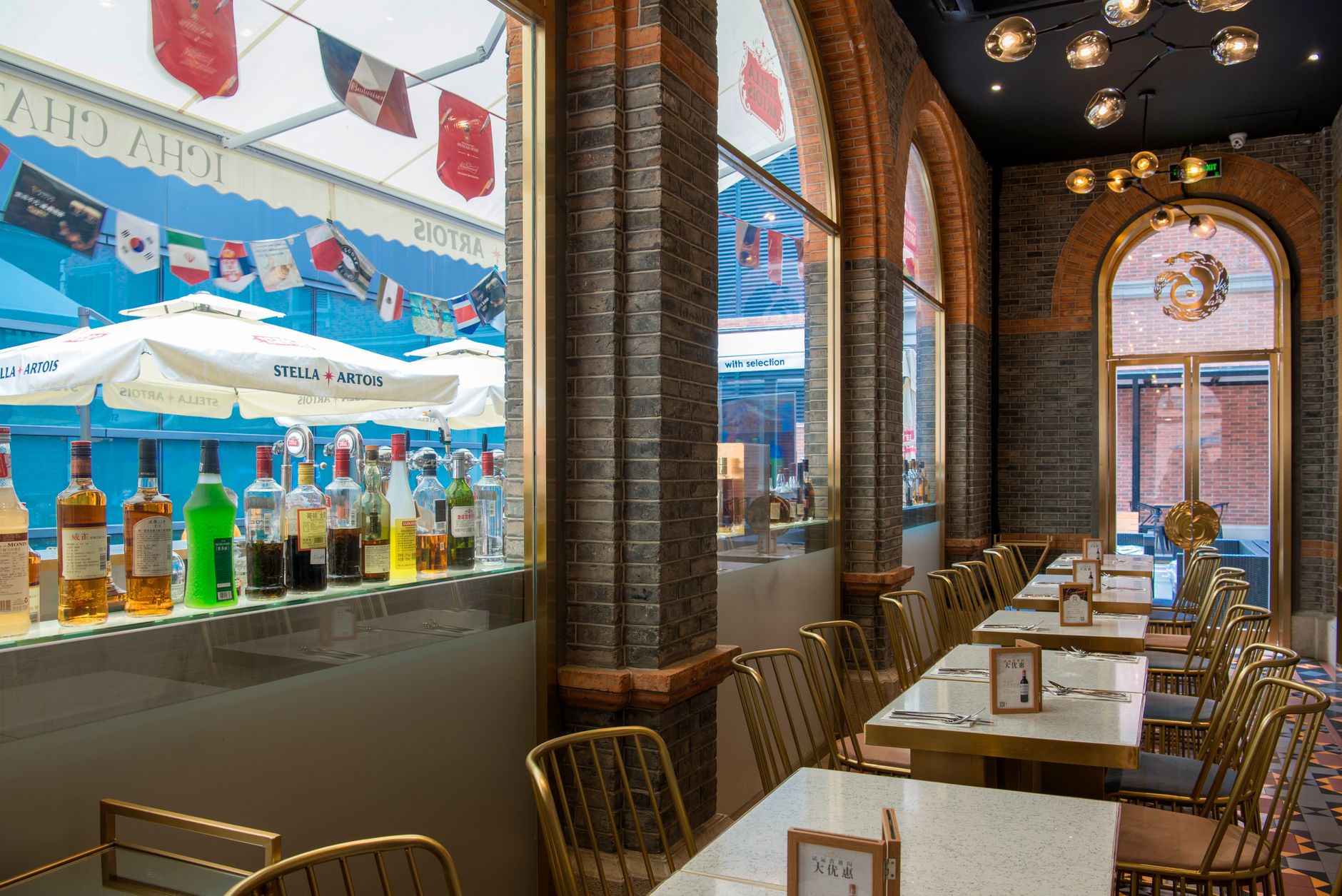 Photo by wei tao
Choosing the Right Logo Style
Your logo can take on many styles, and each choice sends a different message about your glass sliding door business.
Text-Based Logos vs. Symbolic Logos
Text-based logos use only the business name, which can work well if your brand name is catchy. However, symbolic logos incorporate images, which can visually represent your brand's core values. Consider which option suits your brand image better.
Minimalist vs. Detailed Designs
Minimalist designs convey modernity and elegance, allowing your logo to be easily recognizable. On the other hand, detailed designs may communicate craftsmanship and luxury. Think about the message you want your logo to communicate about your sliding doors.
Color Palette Selection
Color is an essential component of your logo design. It evokes emotions and can significantly influence consumer behavior.
Psychology of Colors
Different colors communicate different emotions. For example, blue often conveys trust and dependability, while green is associated with growth and health. Think about how these colors can align with your brand.
Choosing a Color Scheme that Stands Out
When selecting your color palette, aim for a combination that is both eye-catching and representative of your brand. Your chosen colors should be cohesive and work well together, ensuring your logo is memorable.
Typography in Logo Design
The choice of fonts in your logo matters significantly. A well-chosen font enhances your brand perception.
Selecting Fonts that Complement Your Brand
Look for fonts that reflect a modern and professional image. Avoid overly complicated or hard-to-read fonts. Your font should be distinctive but still accessible.
Combining Fonts for Unique Appeal
You might choose to combine two fonts, but ensure they complement each other. The key is to maintain readability while creating a unique identity for your brand.
Using the Logo Maker Shop for Your Design
Creating your logo doesn't have to be complicated. The Logo Maker Shop provides accessible tools to assist you in crafting a logo that fits your glass sliding door brand.
How to Use the Logo Maker Shop
The Logo Maker Shop offers features that make it easy to design a professional logo. You can experiment with colors, fonts, and layouts until you find the perfect combination that reflects your brand identity.
Incorporating Feedback and Refining Your Design
As you create your logo, don’t hesitate to seek feedback. Share your design with trusted friends or colleagues. Their input can help refine your design and ensure it communicates what you intend.
Final Touches and Implementing Your Logo
Once your logo is finalized, it's time to implement it across your platforms.
Using Your Logo Across Marketing Materials
Whether it’s business cards, brochures, or online platforms, consistency is key when displaying your logo. This helps reinforce brand recognition and establishes professionalism.
Monitoring Brand Image
Keep an eye on how your logo performs and is perceived in the market. Monitoring your brand image not only helps you catch issues early but also shows how effective your logo is at resonating with your audience.
Conclusion
A custom logo is a powerful tool in establishing a strong brand presence in the glass sliding door industry. By taking the time to define your brand identity, seek inspiration, choose the right style, and utilize resources like the Logo Maker Shop, you can create a logo that stands out. Ultimately, your logo should encapsulate what your brand represents and connect with your audience. So, go ahead and create a visual element that will help elevate your glass sliding door business!
For more insights into logo design, check out Logo Ideas – Boon and learn how a logo can truly represent your business.

Michael Harper is a Senior Content Strategist at MarketInsider.co, a premier source for insights on digital marketing and business trends. With over 15 years of expertise in content development and strategic communications, Michael is renowned for his ability to craft compelling narratives that resonate with diverse audiences. He holds a Bachelor’s degree in Journalism from New York University and a Master’s degree in Business Administration from Columbia Business School. Outside of work, Michael is passionate about historical literature and enjoys hiking the trails of the Pacific Northwest.