How to Create a Logo for My Own Gentlemen's Club Industry
Creating a captivating logo for your gentlemen's club is crucial. A well-done logo not only serves as the face of your establishment but also conveys the essence of the experience you offer. This article will guide you through the steps to craft a distinctive logo that resonates with your clientele and sets you apart in the competitive gentlemen's club industry.
Understanding Your Gentlemen's Club Brand
Every successful logo begins with a strong understanding of brand identity. Your gentlemen's club isn't just a place; it's an experience, a lifestyle. Your logo should reflect that.
Identifying Your Target Audience
To create a memorable logo, knowing your audience is key. Who are the patrons you want to attract? Consider demographics like age, interests, and lifestyle. For instance, are you aiming for a sophisticated clientele who enjoys classic elegance and fine dining? Understanding your target audience will guide the design choices you make.
Defining Your Unique Selling Proposition (USP)
What makes your club special? Perhaps you specialize in exclusive events, high-end entertainment, or unique themes. Articulating your USP is essential, as it will become a foundation for your logo design. If your club emphasizes a luxurious experience, ensure your logo reflects sophistication and class.
Inspiration and Concept Development
Gathering ideas for your logo is both an exciting and essential part of the design process. Let’s explore how you can find inspiration.
Researching Existing Gentlemen's Club Logos
Take a look at other gentlemen's clubs and analyze their logos. What works well? What doesn't? Consider elements that stand out, such as colors, shapes, and typography. Use this research to inform your design direction without directly copying anyone's style.
Creating a Mood Board
A mood board is a fantastic tool to visualize concepts. Compile images, color palettes, and fonts that resonate with the atmosphere of your club. This visualization helps refine your vision and ensures all design elements will harmonize within your brand.
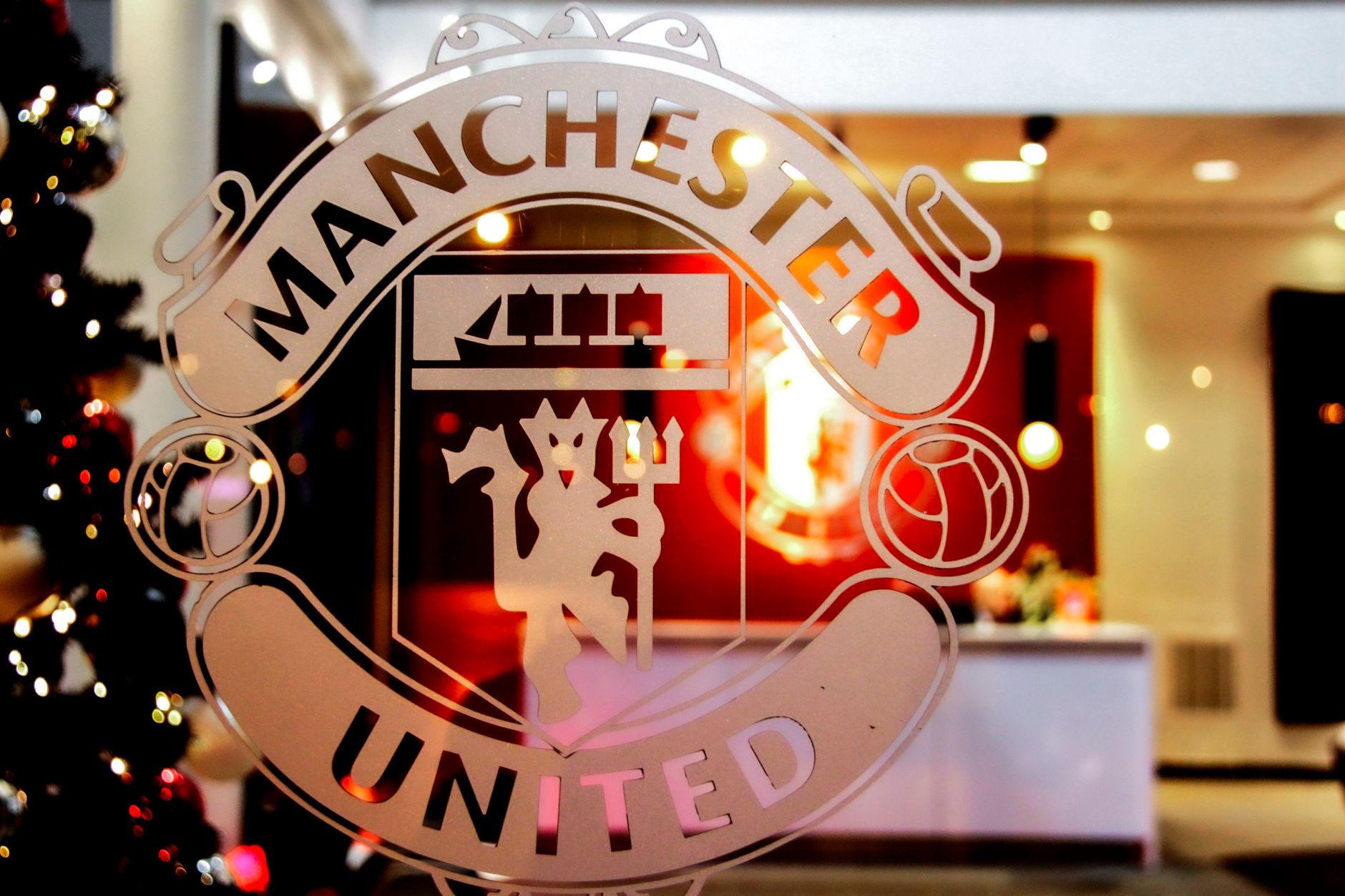 Photo by STEVE CHAI
Logo Design Fundamentals
With inspiration in hand, let's delve into the fundamentals of logo design.
Choosing the Right Colors
Colors evoke emotions and set the tone for your brand. In the gentlemen's club industry, deep hues like burgundy, black, or gold can convey luxury and exclusivity. Understand color psychology and choose colors that align with your brand values. For a deeper understanding, check out this Branding 101: Amazing Meaning of Logo Colors.
Selecting Fonts that Reflect Your Brand
Typography plays a crucial role in logo design. Choose fonts that convey sophistication and allure—think elegant serif fonts or sleek modern sans-serif options. Ensure that your font aligns with the personality of your club and maintains readability.
Logo Styles and Types
Consider different logo styles suitable for your gentlemen's club. A wordmark, which showcases your club's name in a stylized font, can be effective. Alternatively, an emblem might work if you want to convey tradition and heritage. You can also explore symbol logos, which rely on visuals over text.
Using the Logo Maker Shop for Your Design
Leverage the power of the Logo Maker Shop to bring your vision to life. This platform offers various templates and customization options, allowing you to create a logo tailored to your gentlemen's club.
Steps to Create Your Logo Using the Logo Maker Shop
- Visit the Logo Maker Shop: Start by navigating to their website.
- Select Your Template: Browse through various logo templates that resonate with the vibe of your club.
- Customize Your Design: Edit colors, fonts, and layouts to align with your brand.
- Preview and Save: As you finalize changes, preview your logo and save your design when satisfied.
Using the Logo Maker Shop simplifies the process, enabling you to focus on creativity without needing extensive design experience.
Finalizing and Testing Your Logo
A good logo is constantly refined. Finalizing your design means testing it with real people.
Gathering Feedback from Peers and Potential Customers
Show your logo to friends, colleagues, and potential customers. Gather their feedback on color choices, font readability, and overall appeal. Constructive criticism can offer insights you may not have noticed.
Making Necessary Adjustments
Based on the feedback you collect, make adjustments to your logo. Perhaps a different color combination or font style is warranted. This iterative process enhances your final design and ensures it resonates with your target audience.
Implementing Your Logo Across Branding Materials
Once your logo is finalized, it's time to put it to use across all branding materials.
Usage on Website and Social Media
Maintaining brand consistency is vital, especially online. Ensure your logo appears prominently on your website and social media platforms. This consistency helps establish brand recognition and builds trust with your audience.
Printed Materials and Merchandise
Your logo should also be featured on printed materials, such as business cards, flyers, and promotional merchandise. Whether it's a fancy event invitation or simple business cards, incorporating your logo across various touchpoints strengthens your branding efforts.
Conclusion
Creating a logo for your gentlemen's club is more than just a design task—it's about establishing your brand identity. By understanding your audience, gathering inspiration, and using tools like the Logo Maker Shop, you can craft a logo that truly represents your club. Don’t forget to gather feedback and implement your logo across all branding materials to ensure a cohesive brand presence. Start this exciting journey today and watch as your gentlemen's club stands out in the industry!

Michael Harper is a Senior Content Strategist at MarketInsider.co, a premier source for insights on digital marketing and business trends. With over 15 years of expertise in content development and strategic communications, Michael is renowned for his ability to craft compelling narratives that resonate with diverse audiences. He holds a Bachelor’s degree in Journalism from New York University and a Master’s degree in Business Administration from Columbia Business School. Outside of work, Michael is passionate about historical literature and enjoys hiking the trails of the Pacific Northwest.