How to Create a Logo for My Own Eco-Friendly Fashion Runway Event
The impact of a well-crafted logo cannot be overstated, especially for an eco-friendly fashion runway event. Your logo is not just a pretty picture; it’s the face of your brand, a visual representation that captures your event's essence and your commitment to sustainability. This guide will walk you through the crucial steps in creating a logo that embodies both style and environmental consciousness.
Understanding Your Eco-Friendly Fashion Brand
To design a logo that resonates, you first need to understand your unique position in the eco-friendly fashion industry. What makes your event special? How does your commitment to sustainability reflect in every aspect of your brand?
Brand Values and Message
Your brand’s values are the heart of your identity. As an eco-friendly fashion initiative, you likely emphasize sustainability, ethical sourcing, and eco-consciousness. Think about how these values translate into visual elements. For example, a logo that incorporates natural imagery or earthy colors can communicate your commitment to the environment effectively.
When crafting your brand message, consider phrases that resonate with sustainability—“conscious fashion” or “eco-chic”—and find ways to incorporate these themes into your logo design.
Target Audience Insights
Understanding your audience is essential. Who are they? Are they eco-warriors, fashion enthusiasts, or both? What are their expectations regarding eco-friendly fashion? Engaging in conversations on social media or conducting surveys can yield invaluable insights into what potential attendees value most in an environmentally conscious brand. Utilizing these insights will ensure your logo speaks directly to their preferences.
Finding Inspiration for Your Logo Design
Once you have a grasp of your brand identity, it’s time to gather inspiration for your logo.
Researching Successful Eco-Friendly Brands
Delve into the logos of established eco-friendly brands. What works? What doesn’t? Draw inspiration from brands that share your values, keeping an eye on how they convey their messages through design. Look for creative use of shapes, colors, and typography that you can adapt for your own logo.
Utilizing Nature and Sustainable Elements
Nature should be your ultimate muse. Consider incorporating elements like leaves, recycled symbols, or flowing water to express sustainability. Earth tones, greens, and soft pastel shades often evoke a sense of calm and connection to nature.
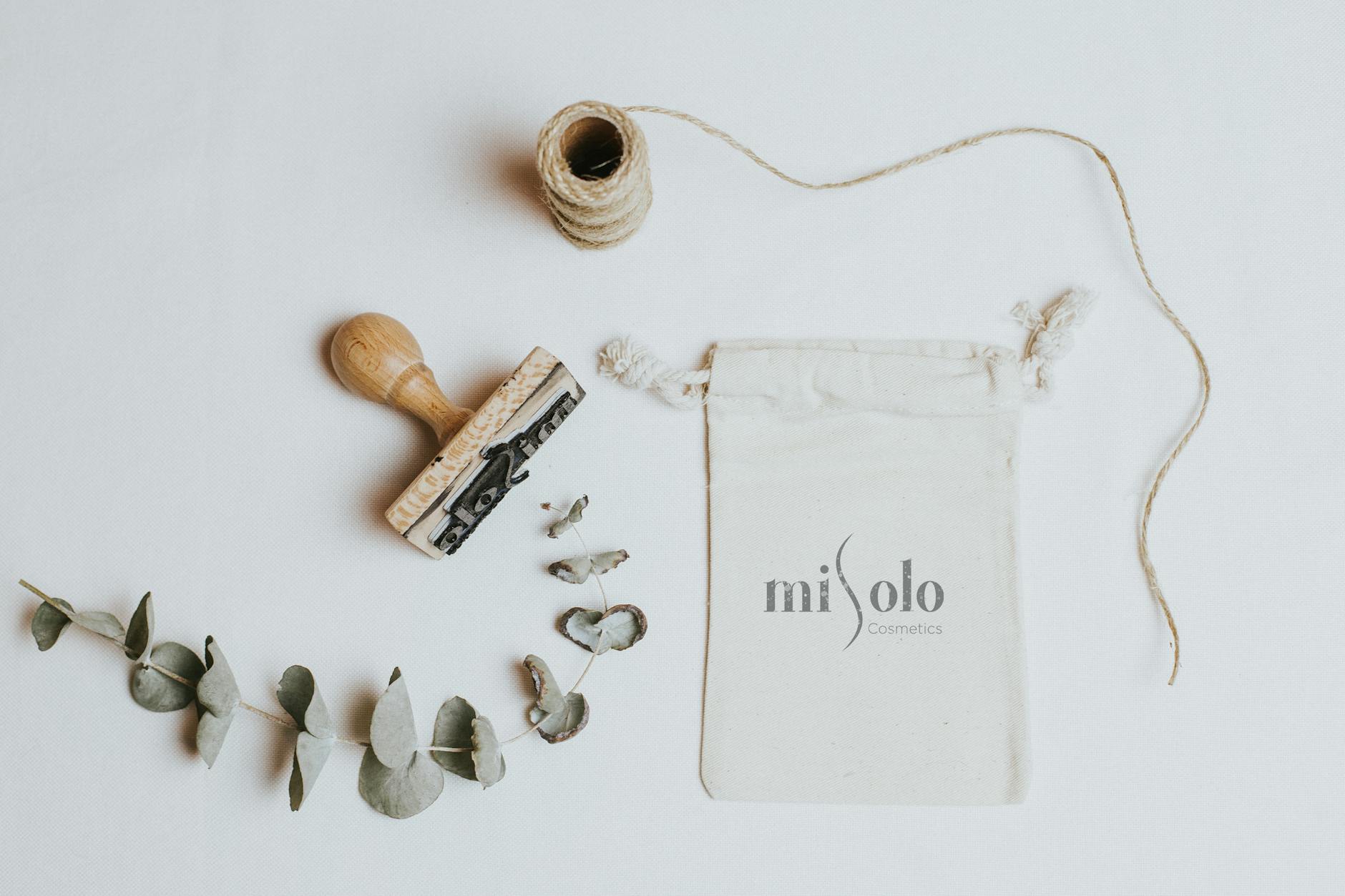
Photo by Misolo Cosmetic
Choosing the Right Design Elements
The next step is to address the fundamental components that shape your logo.
Color Psychology in Eco-Friendly Fashion
Colors are powerful communicators. For an eco-friendly fashion runway event, green symbolizes sustainability, while earth tones like browns and beiges convey warmth. Soft pastels suggest elegance and simplicity. Choose a color palette that resonates with eco-friendliness and aligns with your brand message.
Typography that Reflects Your Brand
Selecting the right font is equally important. Opt for clean, modern fonts that reflect simplicity and elegance. Sans-serif fonts can project a contemporary feel, while hand-written styles might add a personal touch. The typography should echo your commitment to style without compromising your eco-conscious identity.
Iconography and Imagery
Consider using imagery that evokes sustainability and fashion. Icons like leaves, trees, or recycled symbols not only represent environmental consciousness but can also enhance your logo’s visual appeal. However, remember that simplicity often makes for a more memorable logo.
Using the Logo Maker Shop to Create Your Logo
Creating a logo doesn’t have to be complicated. The Logo Maker Shop is a fantastic resource that simplifies the process while offering professional design options.
Navigating the Logo Maker Shop Interface
Once you access the Logo Maker Shop, start by sifting through various templates that align with eco-friendly themes. The interface is user-friendly, allowing you to customize your choices easily. You can explore elements like colors, shapes, and fonts that best represent your eco-friendly fashion brand.
Customizing Your Logo for Eco-Friendly Identity
Make it personal. Incorporate elements that reflect your brand's values—whether it’s natural color palettes or specific imagery that denotes sustainability. The platform allows you to experiment until you’ve crafted a logo that resonates with your vision.
Finalizing and Implementing Your Logo
After designing your logo, it's time to finalize it and put it to work.
Getting Feedback from Your Target Audience
Before you settle on your final design, gather feedback from potential attendees or stakeholders. Conduct informal focus groups or polls on social media to narrow down your options. This step ensures that your logo resonates with your target audience and may reveal areas for improvement.
Using Your Logo in Marketing Materials
Once you have your finalized logo, integrate it into all your promotional materials. From flyers to social media posts, consistency is key. Ensure that your logo clearly represents your brand across all platforms, reinforcing your eco-friendly identity.
Sustainability Beyond the Logo
Creating a logo that embodies your eco-friendly fashion brand is just the beginning.
Eco-Friendly Marketing Strategies
Incorporate sustainable practices into your marketing efforts. Use recycled paper for physical promotions and choose digital alternatives where possible. Conveying your commitment to sustainability should be at the forefront of your marketing strategy.
Promoting Your Eco-Friendly Fashion Runway Event
Utilize social media and community engagement as promotional tools. Share your commitment to sustainability through each marketing channel. Highlight not just your event, but the cause it represents. Connecting emotionally with your audience can encourage them to support your mission.
Conclusion
In conclusion, creating a logo for your eco-friendly fashion runway event is a powerful way to encapsulate your brand’s identity and values. By understanding your audience, drawing inspiration from nature, and using the Logo Maker Shop effectively, you can design a logo that not only looks appealing but also communicates your commitment to sustainability. Remember, your logo is a reflection of your brand—make it memorable and meaningful.

Michael Harper is a Senior Content Strategist at MarketInsider.co, a premier source for insights on digital marketing and business trends. With over 15 years of expertise in content development and strategic communications, Michael is renowned for his ability to craft compelling narratives that resonate with diverse audiences. He holds a Bachelor’s degree in Journalism from New York University and a Master’s degree in Business Administration from Columbia Business School. Outside of work, Michael is passionate about historical literature and enjoys hiking the trails of the Pacific Northwest.