How to Create a Logo for My Own Distillery Industry
Creating a logo for your distillery is more than just putting together a pretty image. It's a crucial part of establishing your brand identity. Your logo is the face of your business and serves as a visual representation of your distillery's mission, values, and personality. In an industry where aesthetics play a vital role, a well-designed logo can set you apart from the competition and build recognition with your audience.
Understanding Your Distillery Brand
Before diving into the design process, it's essential to understand what your distillery represents.
Define Your Mission and Values
Start by articulating what your distillery stands for. Are you focused on traditional techniques, or do you emphasize innovation? Are your products crafted with local ingredients? Your mission and values should guide every design choice you make.
For example, if sustainability is a core value, consider how this can be visually represented in your logo. Using earthy tones or natural imagery can reflect your commitment to eco-conscious practices.
Identify Your Target Audience
Knowing who your customers are is critical. Are you targeting craft cocktail enthusiasts or casual drinkers? Understanding your audience will influence your design choices. A logo aimed at a luxury market might be elegant and refined, while one targeting a younger, hip crowd could be more vibrant and playful.
Ask yourself: What appeals to my customers? What do they enjoy? What brands do they resonate with? These questions can help shape your logo's overall look and feel.
Finding Inspiration for Your Logo Design
Inspiration can come from many places, especially in the distillery business.
Explore Renowned Distillery Logos
Look at successful logos from both large and small distilleries. Analyze what works well about them. For instance, brands like Glenfiddich or Maker's Mark have created strong associations with their logos through consistent use of color and typography. Notice how their designs reflect their heritage and product offerings.
Create a Mood Board
A mood board is an excellent way to visualize your ideas. Collect images that resonate with your brand identity, including colors, fonts, and other visuals related to distillation. Tools like Pinterest can help you gather inspiration effectively.
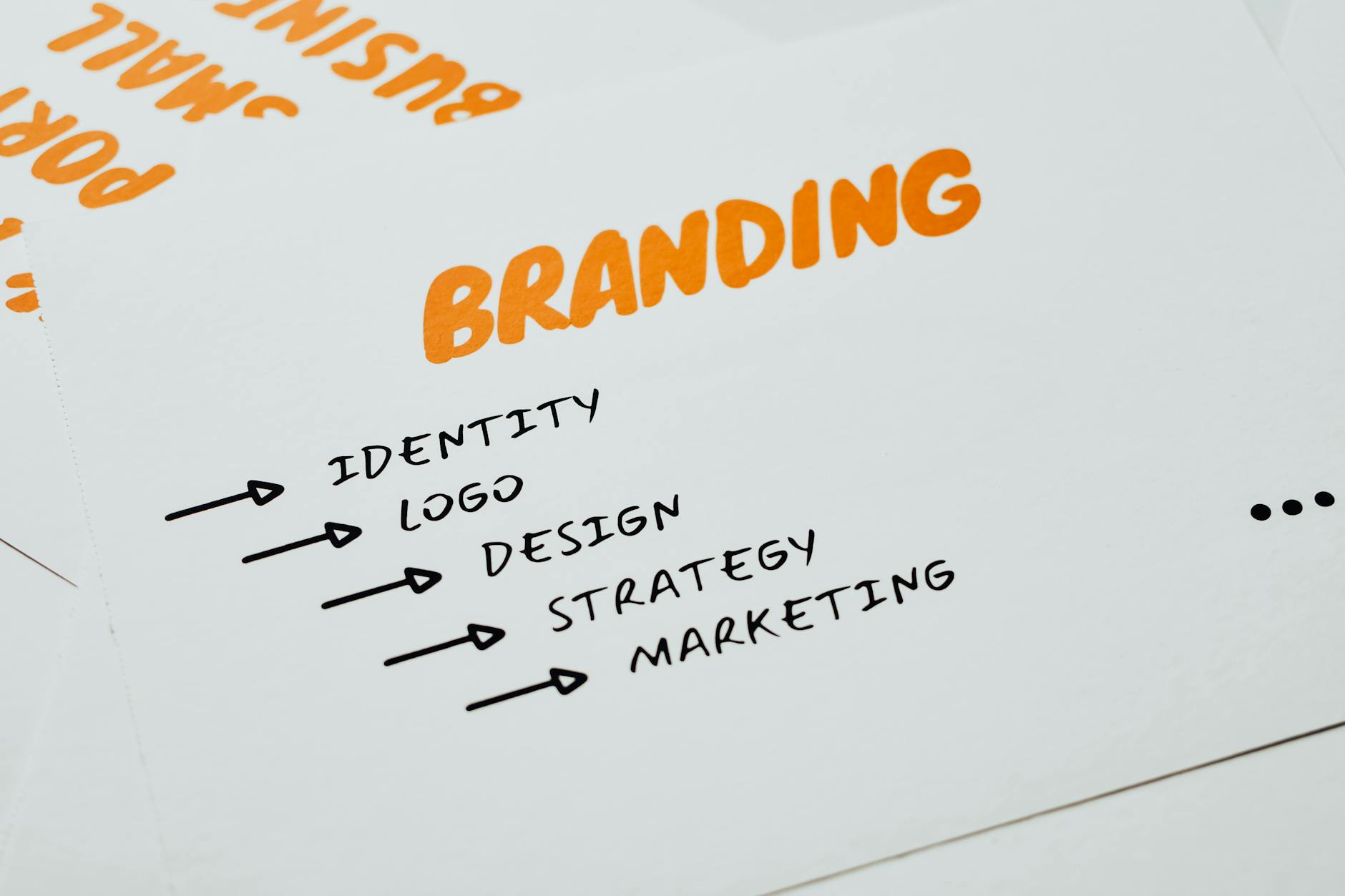
Photo by Eva Bronzini
Choosing the Right Logo Style
Selecting the right logo style is crucial for conveying your distillery's message effectively.
Types of Logos
Consider various logo types, such as:
- Wordmark: This style uses your brand name in a unique font. It could work well if you have a distinct name.
- Letterform: A monogram logo that uses initials can create a timeless appeal.
- Icon: This logo style uses a symbol that represents your brand without text.
For a distillery, a combination of these styles might be most effective, reflecting both brand identity and the product.
Minimalist vs. Decorative Styles
Minimalist logos can convey sophistication, while decorative designs may emphasize tradition and heritage. Think about what best represents your distillery. A clean, modern look might attract younger consumers, whereas richly detailed logos might resonate with those who appreciate craftsmanship and history.
Utilizing the Logo Maker Shop for Your Design
To bring your vision to life, consider using the Logo Maker Shop. This tool allows you to design a logo that captures your brand’s uniqueness without needing professional design skills.
Step-by-Step Logo Creation Process
- Set Up Your Account: Create a user account to start designing.
- Choose a Template: Browse through templates that match your industry and style preferences.
- Customize Elements: Edit colors, fonts, and layouts to fit your brand identity.
- Preview Your Logo: Check how your logo looks in different formats.
Customization Options
With the Logo Maker Shop, you can easily adjust colors, typography, and shapes to reflect your brand. Use palettes that resonate with the distilling process, like deep amber and forest green, to evoke the qualities of your spirits.
Refining Your Logo Design
Once you've created a draft logo, refining it is the next step.
Gather Feedback from Peers
Before finalizing your design, seek feedback from friends or colleagues. Ask specific questions about whether the logo accurately represents your brand and resonates with your target audience.
Test Your Logo in Various Formats
It's essential to ensure your logo works well across different platforms—business cards, social media, websites, and products. A logo that looks great on a screen may not translate well to print.
Launching Your Distillery Logo
With your logo polished and ready, it's time to unveil it to the world!
Integrating Your Logo Across Marketing Materials
Ensure your new logo is consistently applied across all marketing materials. This includes business cards, websites, packaging, and promotional items. Consistent branding enhances recognition and builds trust.
Announcing Your Logo to Customers
Use social media and email newsletters to announce your new logo. Create engaging content around the story behind your logo—why you designed it the way you did and how it reflects your distillery's identity.
Conclusion
Creating a logo for your distillery is a rewarding process that involves understanding your brand and its audience. Take the time to define your mission and values, draw inspiration from your surroundings, and utilize resources like the Logo Maker Shop. With careful consideration and creativity, you'll craft a logo that stands out in the industry and leaves a lasting impression. So, roll up your sleeves, and start the journey of designing a logo that's truly reflective of your distillery!

Michael Harper is a Senior Content Strategist at MarketInsider.co, a premier source for insights on digital marketing and business trends. With over 15 years of expertise in content development and strategic communications, Michael is renowned for his ability to craft compelling narratives that resonate with diverse audiences. He holds a Bachelor’s degree in Journalism from New York University and a Master’s degree in Business Administration from Columbia Business School. Outside of work, Michael is passionate about historical literature and enjoys hiking the trails of the Pacific Northwest.