How to Create a Logo for My Own Dishwasher Industry
A logo isn’t just an image; it embodies your brand's identity and vision. For those of you launching a business in the dishwasher industry, creating a unique and recognizable logo is essential. It sets the tone for your brand and communicates your values to potential customers. In this guide, you’ll learn how to create a logo tailored specifically for the dishwasher industry, emphasizing key areas of branding and design.
Understanding the Dishwasher Industry
The dishwasher industry is growing, with increasing consumer expectations and evolving technological innovations. As homeowners prioritize convenience and efficiency, brands must adapt to meet these needs through their products and marketing strategies.
Industry Trends and Target Audience
Among the current trends in the dishwasher market are energy efficiency and smart technology. Eco-friendly appliances that save water and energy are in high demand. Also, sleek, modern designs appeal to an audience that values aesthetics alongside functionality.
As you think about your target audience, consider not just the primary users—homeowners—but also contractors and commercial businesses who purchase dishwashers for restaurants and hospitality. Knowing these varied needs can influence your branding approach.
Identifying Your Unique Selling Proposition (USP)
Before you start designing your logo, pinpoint what makes your dishwasher brand stand out. Are you focusing on affordability, state-of-the-art features, or perhaps unique designs? Defining your USP can guide the entire branding process, ensuring your logo reflects your strengths.
Defining Your Brand Identity
Your brand identity lays the foundation for your logo design. A cohesive identity helps customers understand your products and values, and your logo should encapsulate this essence.
Brand Values and Mission Statement
Take a moment to articulate your brand values and create a mission statement. What do you want to communicate about your brand? Your mission statement acts as a guiding light as you design your logo. For instance, if you value sustainability, this should be represented in your logo's colors or symbols.
Target Audience Analysis
Dive deeper into understanding your target audience. Preferences among millennials differ from those of older generations. For example, younger customers might be drawn to energy-efficient designs, while older generations may prioritize reliability. This insight can influence not just your logo, but your overall branding strategy.
Finding Inspiration for Your Logo
Once your brand identity is set, it's time to gather inspiration. How can you create a logo that resonates with your audience?
Researching Competitors
Look at logos from competing brands. What works? What doesn’t? Analyzing competitors allows you to identify gaps where your logo can stand out, ensuring it’s distinctly yours while still appealing to consumer expectations.
Utilizing Online Resources
Don't hesitate to use online logo design tools and galleries. Platforms, like Logo Maker Shop, offer various ideas to spark creativity. Explore logo concepts within your niche to gather fresh, relevant influences.
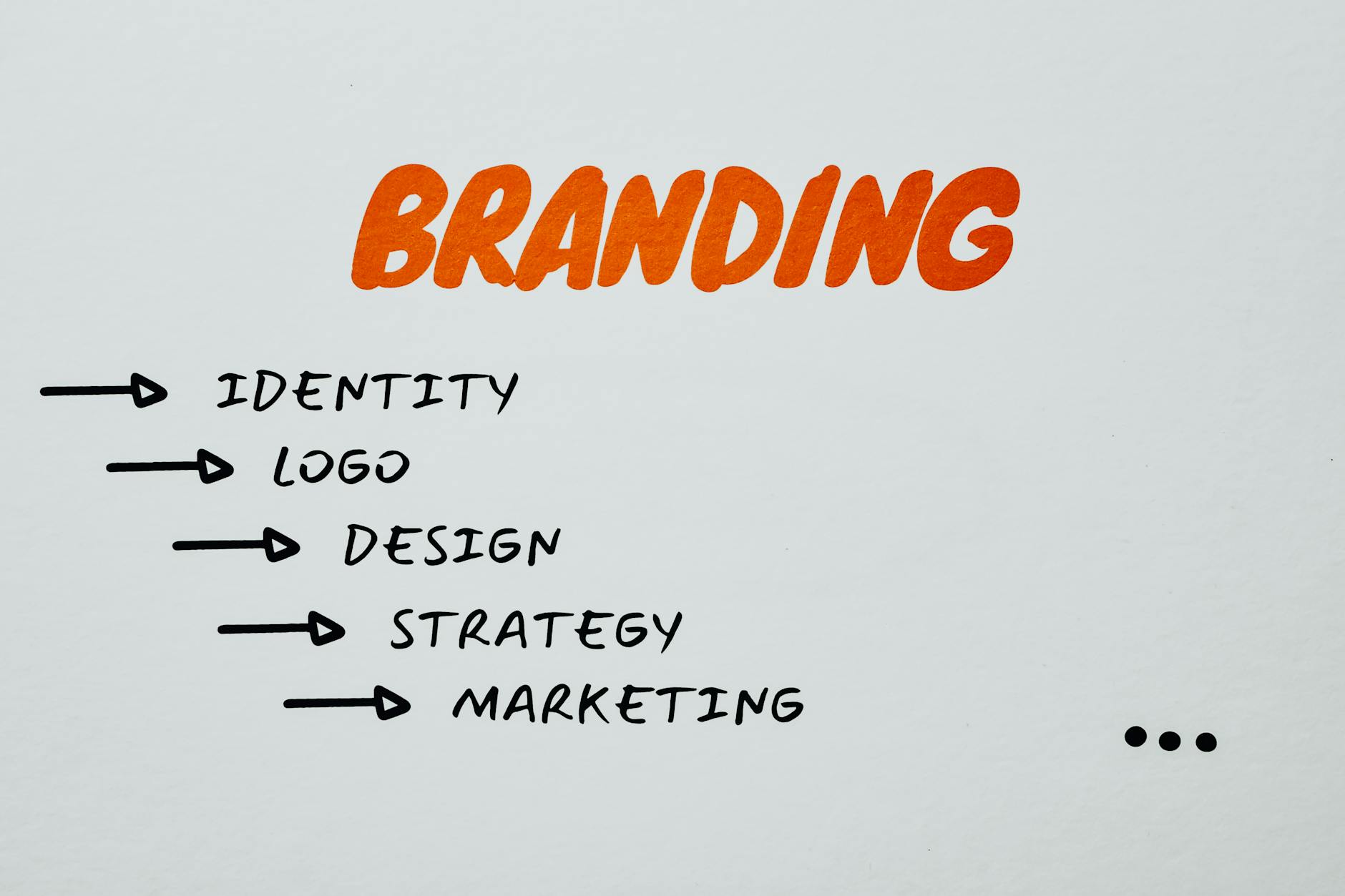 Photo by Eva Bronzini
Designing Your Logo
Now let’s get into the nuts and bolts of creating your logo.
Choosing the Right Logo Maker Tool
Start with a reliable logo maker tool like Logo Maker Shop. The platform streamlines the design process, providing templates and customization options that allow you to express your brand's personality.
Color Palette Selection
Colors evoke emotions and can significantly affect how your brand is perceived. For the dishwasher industry, consider these associations:
- Blue: Trust and reliability
- Green: Eco-friendliness and efficiency
- Silver/Grey: Modernity and sophistication
Choose colors that reflect not just your values but also resonate with your target audience.
Typography Choices
The font you choose communicates your brand's tone. A sleek and modern sans-serif font may imply innovation, while a classic serif font might evoke a sense of tradition. Ensure the font is legible and aligns with the overall visual identity you wish to convey.
Incorporating Iconography
Think about relevant symbols that could represent your brand. Whether it’s a minimalist dishwasher icon or an abstract shape symbolizing cleanliness, use imagery that connects with your brand message.
Iterating and Refining Your Logo
Draft multiple versions of your logo. Gather feedback from friends, colleagues, or potential customers. Use their insights to refine your design until it truly resonates with your brand identity.
Finalizing and Implementing Your Logo
After iterating, it's time to finalize your logo and put it to use.
Creating a Branding Style Guide
A branding style guide outlines how your logo should be used in various contexts—on social media, your website, or print materials. This guide maintains consistency and reinforces your brand’s identity.
Putting Your Logo to Work in Marketing
Once your logo is established, it's crucial to integrate it into your marketing efforts. Use it widely across your website, business cards, and advertisements. Consistent usage builds recognition, making your brand more memorable.
Conclusion
Creating a logo for your dishwasher brand is a journey that requires thoughtful consideration of your identity and audience. By understanding your market, defining your brand, finding inspiration, and designing with purpose, you’re setting the stage for a memorable and effective logo. Embrace the process and let your creativity shine. Take action today and start crafting a logo that resonates with your audience and represents your unique offerings in the dishwasher industry!

Michael Harper is a Senior Content Strategist at MarketInsider.co, a premier source for insights on digital marketing and business trends. With over 15 years of expertise in content development and strategic communications, Michael is renowned for his ability to craft compelling narratives that resonate with diverse audiences. He holds a Bachelor’s degree in Journalism from New York University and a Master’s degree in Business Administration from Columbia Business School. Outside of work, Michael is passionate about historical literature and enjoys hiking the trails of the Pacific Northwest.