Creating a Logo for Your Digital Marketing Summit Event
A well-designed logo can set the stage for your Digital Marketing Summit Event, establishing your brand's identity and creating an immediate impact. It’s not just a symbol; it’s the visual heartbeat of your event, a beacon that communicates your themes and expertise. With the right logo, you can attract attention, enhance recognition, and make your event memorable. So, how do you create a logo for your own Digital Marketing Summit Event? Let’s walk through it step-by-step.
Understanding Your Event's Brand Identity
Your event isn’t just a gathering; it’s an experience that needs a strong identity. Define what your summit stands for.
Identifying Key Themes and Messages
Start by determining the core themes of your summit. Are you focusing on cutting-edge marketing strategies, the latest digital trends, or networking opportunities? Whatever your focus, these elements should be woven into your logo. Think of your logo as a story—a narrative that encapsulates the essence of what attendees can expect.
Determining Target Audience
Next, know your audience. Who are you inviting? Whether they’re seasoned marketers, startup founders, or freelancers, understanding your target demographic will guide your design choices. Consider their preferences, expectations, and the tone that resonates with them. For instance, if your audience is young and innovative, a vibrant and modern logo will appeal more than a conservative or traditional design.
Gathering Inspiration for Your Logo Design
Creativity can often begin with a little inspiration. Use these strategies to spark your imagination.
Researching Successful Event Logos
Take some time to review logos from successful summits and events in your niche. What makes them effective? Analyze their colors, shapes, and styles. Notice how they convey key messages about their events. This research can help you craft a unique yet fitting design for your own summit.
Creating a Mood Board
Creating a mood board can be an effective way to visualize your logo. Gather images, colors, and designs that reflect the tone you want to convey. This board will serve as a reference for your final design, helping you maintain consistency throughout the process.
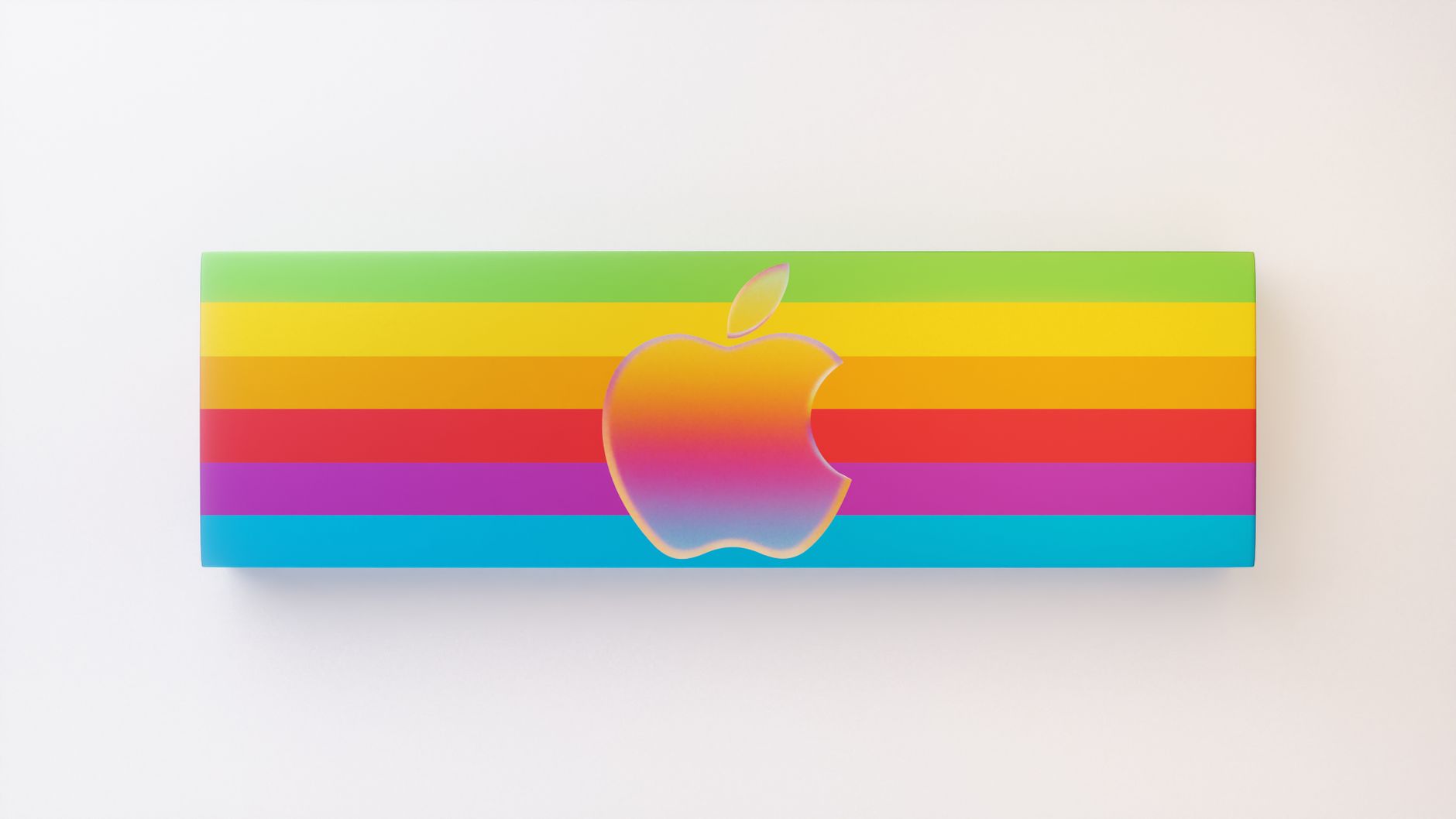 Photo by Yusuf P
Utilizing Logo Maker Shop for Your Design
Once you have a clear vision, it's time to bring your logo to life using tools from the Logo Maker Shop.
Exploring Logo Design Tools
The Logo Maker Shop provides a range of easy-to-use tools that allow you to create a logo that reflects your vision. You can experiment with different shapes, layouts, and styles, tailoring each element to resonate with your audience and themes.
Choosing Templates and Styles
Browse through their selection of templates designed specifically for events. Whether you prefer a modern or classic style, selecting the right template can jumpstart your design process. Remember to keep your target audience and brand identity in mind while making your choice.
Color Psychology and Typography in Logo Design
Colors and fonts play a significant role in how your logo is perceived.
Selecting a Color Palette
Color psychology can enhance the emotional response to your logo. For your summit, choose colors that resonate with the themes of innovation and professionalism—blue for trust, green for growth, or orange for enthusiasm. A well-thought-out color palette can communicate the values of your brand effectively.
Choosing the Right Fonts
Fonts are equally crucial. They should match the tone of your event and be legible across different formats. For instance, a bold sans-serif font may convey modernity, whereas a script font may add a personal touch. Choose a font that captures the spirit of your summit while being readable from a distance.
Finalizing Your Logo Design
Designing a logo is a journey. Here’s how to reach your destination.
Getting Feedback on Your Design
Once you have a draft, gather feedback. Share your design with colleagues, potential attendees, or even on social media. Ask for their opinions on the logo’s appeal and effectiveness. Multiple perspectives can help you refine your design to better meet audience expectations.
Making Adjustments Before Launch
Use the feedback to make necessary adjustments. Don’t shy away from tweaking colors, changing fonts, or reworking elements. Your logo should feel right—it should resonate with both you and your target audience.
Implementing Your Logo in Marketing Materials
Your logo isn’t just for show. It should be integrated across multiple platforms to create a cohesive brand identity.
Using the Logo Across Digital Platforms
Place your logo on your website, social media pages, and email templates. Ensure consistency in color and style. A unified presentation can strengthen brand recognition.
Creating Merchandise or Print Materials
Your logo can also appear on physical materials, like banners, brochures, and promotional merchandise. This breadth of use not only amplifies your branding but also creates a professional appearance that can enhance your event’s reputation.
Bringing Your Logo to Life
Now that you know how to create a logo for my own Digital Marketing Summit Event, it's time to put these steps into action. Be bold and creative. Dive into the design process using the tools available at Logo Maker Shop and turn your vision into a striking logo that captures the essence of your digital marketing summit. Your logo will help you carve a niche in the market, attract attendees, and ultimately make your event unforgettable!

Michael Harper is a Senior Content Strategist at MarketInsider.co, a premier source for insights on digital marketing and business trends. With over 15 years of expertise in content development and strategic communications, Michael is renowned for his ability to craft compelling narratives that resonate with diverse audiences. He holds a Bachelor’s degree in Journalism from New York University and a Master’s degree in Business Administration from Columbia Business School. Outside of work, Michael is passionate about historical literature and enjoys hiking the trails of the Pacific Northwest.