How to Create a Logo for My Own Digital Clock Industry
Creating a logo for your digital clock business is more than just an artistic endeavor; it's about establishing a brand identity that resonates with your audience. A well-designed logo helps customers quickly identify your products and associates them with quality and reliability. In this guide, you’ll discover how to create a logo that effectively represents your brand, using easy-to-access tools and resources.
Understanding Your Brand Identity
Before diving into the design process, it's vital to define what your digital clock brand stands for. Your brand identity is the backbone of your company; it communicates your values and mission.
Defining Your Unique Selling Proposition
What makes your digital clocks stand out in a crowded marketplace? Are they eco-friendly, stylish, or packed with advanced features? Reflecting your unique selling proposition in your logo will help you attract your target audience. Think about what your clocks offer that others do not. This will give you clarity in designing a logo that speaks directly to your potential customers.
Target Audience Insights
Understanding the preferences of your target audience is crucial. Are they tech-savvy individuals looking for the latest innovations, or perhaps busy professionals seeking simplicity and functionality? Knowing what resonates with your audience will guide your logo design choices, from fonts to colors.
Finding Inspiration for Your Logo
Inspiration can come from various sources, and exploring them can help spark your creativity.
Research Competitors' Logos
Take a close look at the logos of competitors in the digital clock industry. What do you like or dislike about their designs? Analyze current trends and identify what works. This will not only help you understand industry standards but also ensure that your logo remains distinct and original.
Explore Design Platforms
Platforms like Pinterest, Behance, and design blogs are treasure troves for creative ideas. Searching for digital clock logos or general logo designs can inspire your vision. Don’t hesitate to create a mood board that captures the essence of what you want your logo to convey.

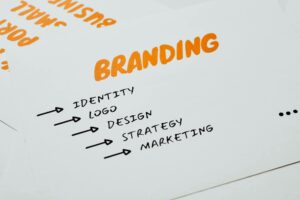
Photo by Pixabay
Choosing the Right Logo Style
The style of your logo plays a crucial role in how your brand is perceived.
Types of Logos Suitable for Digital Clocks
Incorporating various styles into your design can help convey your brand's personality:
- Wordmarks: These include your brand name in a unique font. They work well for businesses with memorable names.
- Symbols: A distinctive icon that can represent your brand without any text.
- Abstract Logos: These do not directly reference any specific object but can symbolize your brand values.
Minimalism vs. Complexity
When designing a logo for your digital clock brand, you might find yourself torn between a minimalist or a more complex design. Minimalism often communicates sophistication and modernity, while a more complex design might convey creativity and innovation. Choose a style that resonates most with your brand identity and what you want to communicate to your audience.
Utilizing Logo Maker Shop for Design
Now that you have a clearer direction, it’s time to start designing your logo.
Step-by-Step Guide Using Logo Maker Shop
- Visit Logo Maker Shop: Sign up or log in to the platform.
- Select Logo Type: Choose from various logo types based on your earlier research.
- Customize Your Design: Use the tools available to adjust colors, fonts, and icons according to your brand identity.
- Preview Your Logo: Check how it looks on different backgrounds and formats.
- Save and Download: Once satisfied, save your logo in different file formats suitable for both digital and print use.
Colors and Fonts for Your Logo
Color choices and fonts are critical aspects of your logo design that can evoke various emotions and perceptions.
Meaning of Colors in Branding
Colors carry meanings that can affect how consumers perceive your brand. For example:
- Blue: Suggests trust and reliability.
- Orange: Evokes enthusiasm and creativity.
- Green: Associated with nature and sustainability.
Choose colors that reflect the message you want to convey with your digital clocks.
Selecting the Right Typeface
The font you choose should align with your brand voice. A sleek, modern typeface conveys technology and innovation, while a more casual font suggests approachability. Ensure that the font is legible across different sizes.
Finalizing Your Logo Design
Once you've gone through the design process, it’s time to refine your logo further.
Gathering Feedback
Feedback is an essential part of the design process. Share your logo with potential customers and peers. Ask specific questions about what they feel when they see your logo and if it aligns with your brand message.
Making Adjustments Based on Feedback
Take note of constructive criticism and be willing to make adjustments. This process may lead to unexpected insights that can elevate your final logo design.
Putting Your Logo to Work
Now that your logo is finalized, it's time to put it to use.
Applying Your Logo Across Platforms
Consistency is key when using your logo. Apply it to your website, social media profiles, email signatures, and product packaging. Having your logo visible across various platforms helps familiarize customers with your brand.
Creating Brand Consistency with Your Logo
Ensure that your logo remains the focal point of your branding. Using consistent colors, fonts, and styles across all marketing materials reinforces your brand identity and helps build trust with your audience.
Conclusion
Creating a logo for your digital clock industry involves thoughtful steps that reflect your brand identity and resonate with your target audience. By utilizing tools like Logo Maker Shop and following the strategies outlined above, you can design a logo that not only stands out in a competitive market but also becomes a recognizable symbol of your brand. Now, take action and get started on crafting that perfect logo today!

Michael Harper is a Senior Content Strategist at MarketInsider.co, a premier source for insights on digital marketing and business trends. With over 15 years of expertise in content development and strategic communications, Michael is renowned for his ability to craft compelling narratives that resonate with diverse audiences. He holds a Bachelor’s degree in Journalism from New York University and a Master’s degree in Business Administration from Columbia Business School. Outside of work, Michael is passionate about historical literature and enjoys hiking the trails of the Pacific Northwest.