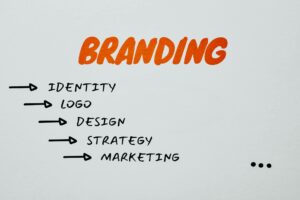
How to Create a Logo for My Own Cultural Diversity Exhibition Event
Creating a logo for your cultural diversity exhibition is more than just a design task; it's a unique opportunity to encapsulate the spirit of your event. A well-crafted logo acts as the visual heartbeat of your exhibition, reflecting its essence, values, and mission. Whether it's through colors, symbols, or typography, every choice you make will communicate a significant message about the diversity you're celebrating.
Understanding Cultural Identity in Logo Design
Cultural representation is the key to making your logo resonate with the core mission of your exhibition. Imagine a logo that not only looks good but also tells a compelling story about the communities it represents. This thoughtful design can help foster connection, understanding, and appreciation among your audience.
Researching Cultural Symbols and Colors
Before diving into the design, do your homework. Research the symbolism behind various cultural elements, from colors to icons. For example, the color red often represents luck in Asian cultures but can signify mourning in others. Understanding these nuances allows you to create a logo that is respectful and inclusive.
Engage with resources that explore the significance of different colors in branding. This can guide your choices to ensure that they align with the cultural values you aim to express. Use tools like the Logo Maker Shop to explore diverse logo ideas that could serve as inspiration for your own event.
Engaging with Diverse Communities
Involving representatives from various cultural backgrounds in your design process is crucial. Facilitate brainstorming sessions where everyone can share their perspectives, boosting inclusivity. This approach helps you generate a logo that doesn’t just cater to a single culture but celebrates the multitude of identities present at your exhibition.
Defining Your Brand Identity for the Exhibition
Now that you have armed yourself with insights about cultural symbols and community feedback, it’s time to define your exhibition's brand identity. A strong brand identity serves as a foundation for your logo, ensuring it embodies what your event stands for.
Establishing Core Values and Mission
Clarify the core values and mission of your cultural diversity exhibition. Are you focusing on education, celebration, or empowerment? Your values will direct the overall feel of your logo. They should evoke feelings that resonate with your audience and give them a taste of what to expect from the exhibition.
Think of how brands like Nike and Apple embody their missions through their logos. Your logo should reflect your event's spirit in a similarly potent manner.
Creating a Unique Selling Proposition (USP)
What sets your exhibition apart? Your logo should reflect this unique selling proposition (USP). It could be a specific theme, a unique blend of cultures, or a special attraction. The visual elements of your logo must narrate this story compellingly.
Utilizing Logo Maker Shop for Your Design Process
When it comes to actually creating your logo, the Logo Maker Shop deserves a mention. It provides user-friendly tools and resources that make logo design accessible to everyone—no graphic design expertise required!
Step-by-Step Logo Creation Guide
- Choose a Template: Start by selecting a template that aligns with your cultural diversity theme.
- Customize Elements: Adjust colors, fonts, and symbols to reflect your brand identity and cultural nuances.
- Preview and Perfect: Use the preview function to visualize your logo in various formats and adjust as you see fit.
This step-by-step approach simplifies the design process, allowing you to focus on creativity rather than technicalities.
Exploring Logo Ideas
You can also explore relevant resources for logo ideas inspired by cultural themes. For instance, the Branding 101 article dives deep into how colors convey meaning across cultures. This could be an excellent resource for selecting colors for your logo.
Refining Your Logo Design
Once you've created your initial logo design, it’s time to refine it. A first draft is just that—a draft. The real magic happens in the revision process.
Feedback from Diverse Stakeholders
Seek feedback from a diverse group of stakeholders. Encourage them to share their thoughts and perceptions about the logo. Does it convey the desired message? How do individuals from different cultures respond to the visual elements? Their insights can help you enhance the logo's impact and ensure it resonates across cultural lines.
Finalizing the Design
Tip: When finalizing your logo, consider how it will look across various mediums. Whether it’s a digital banner or a printed flyer, your logo should maintain its integrity.
Implementing the Logo Across Promotional Materials
With your logo finalized, it's time to showcase it! Consistency is key when it comes to branding, so use the logo across all promotional materials for your event.
Social Media and Digital Marketing
Utilize your logo in all digital marketing efforts. This includes social media posts, email newsletters, and even your website. Consistent use of your logo helps to build brand recognition and creates a cohesive presence online.
Print Materials and Signage
Don't forget about print materials like flyers, brochures, and event signage. Your logo should grab attention and create a visual association with your exhibition when printed.
Conclusion
Your logo is a vital part of your cultural diversity exhibition. It’s the first impression many attendees will have and an ongoing representation of your event. By thoughtfully weaving together cultural symbols, community input, and a clear brand mission, you can create a memorable logo that celebrates diversity in every stroke. So, are you ready to start your logo design journey? Embrace the creativity and cultural richness that awaits!

Michael Harper is a Senior Content Strategist at MarketInsider.co, a premier source for insights on digital marketing and business trends. With over 15 years of expertise in content development and strategic communications, Michael is renowned for his ability to craft compelling narratives that resonate with diverse audiences. He holds a Bachelor’s degree in Journalism from New York University and a Master’s degree in Business Administration from Columbia Business School. Outside of work, Michael is passionate about historical literature and enjoys hiking the trails of the Pacific Northwest.