Crafting a Killer Logo for Your Cider Packaging Business
Creating a compelling logo is key to building a successful cider packaging brand. It's your first visual impression, shaping how customers perceive your product. A well-designed logo can instantly communicate quality, taste, and the unique character of your cider. A great logo sets the stage for all your marketing efforts, solidifying your brand's identity and attracting loyal customers.
Understanding Your Cider Brand Identity
Before diving into design, clearly define your cider brand's core identity. Think about what makes your cider special. Is it the unique fruit blend? The artisanal production methods? The eco-friendly packaging? Articulating these unique selling points is crucial for a powerful logo.
Defining Your Brand Values
Your brand values guide every decision, from flavor profiles to packaging choices. Are you focused on sustainability, tradition, or innovation? Honest and straightforward answers guide your design. Consider these questions when defining your values: What does your cider stand for? What feelings do you want consumers to associate with it? What makes your cider brand different? How do your brand values translate into your logo?
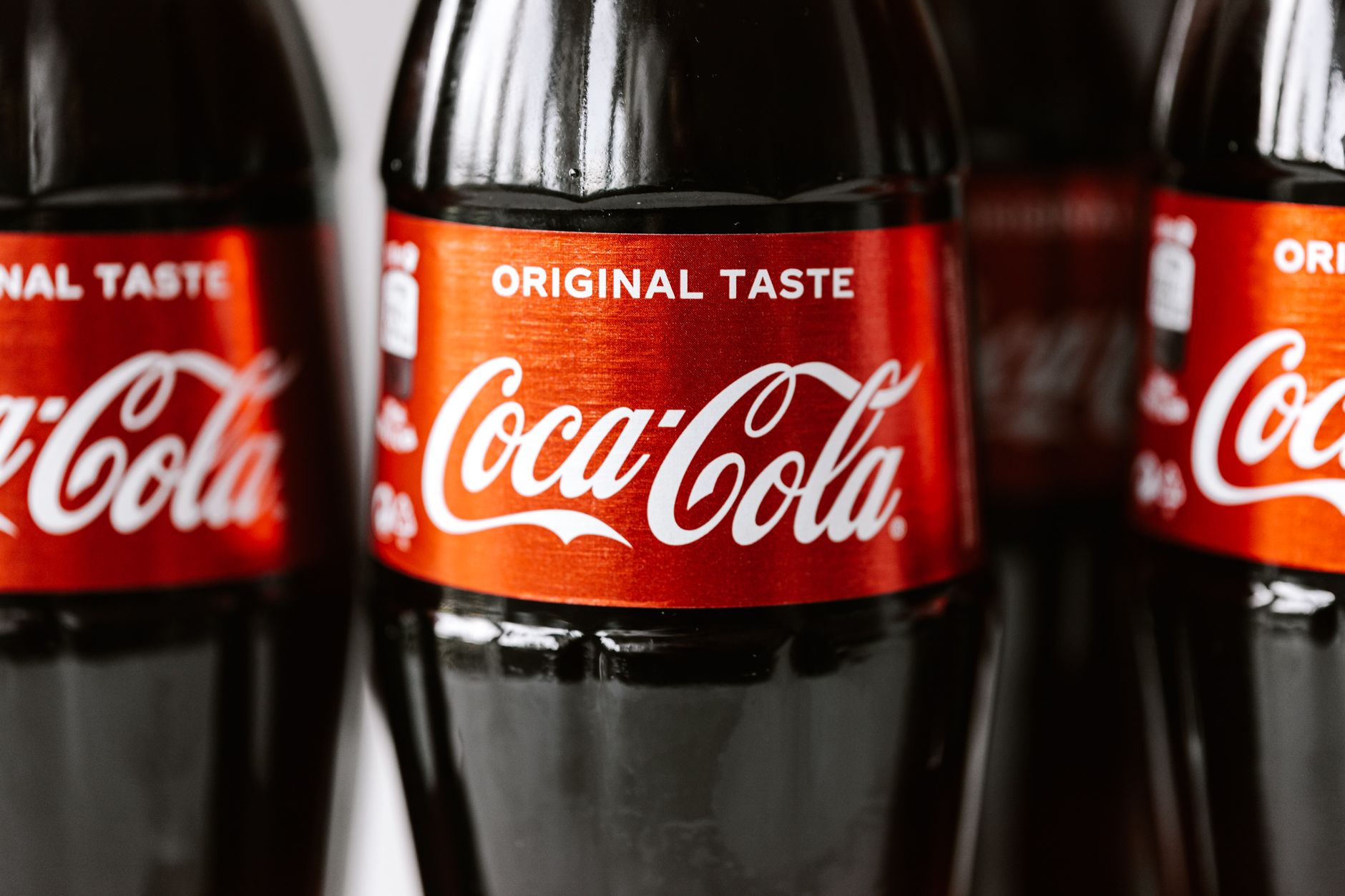 Photo by Kaboompics.com https://www.pexels.com/@karolina-grabowska
Identifying Your Target Audience
Knowing who you're selling to is critical. Are you aiming for health-conscious millennials, or do you target families looking for a delicious, everyday beverage? Understanding your target audience helps tailor your logo's style and message. What are their interests, values, and preferences? How can your logo appeal to them?
Research and Inspiration for Your Logo
Thorough research fuels creative ideas. Study the visual language of your competition, and look for inspiration in unexpected places. Don't be afraid to experiment!
Analyzing Competitor Logos
Studying competitor logos gives you valuable insights. Note what works and what doesn't. What distinguishes your brand from competitors? What unique elements can set your cider apart? Do some research on competitor logos in your niche and identify your unique selling propositions. What can your logo emphasize that competitors may be missing?
Finding Design Inspiration Online
Pinterest, design blogs, and online logo design communities are excellent resources. Explore different styles and techniques to spark ideas. Look for visuals that resonate with your brand's values and target audience.
Choosing the Right Logo Style
Consider various logo styles to find the best fit for your cider brand.
Wordmark vs Lettermark
A wordmark uses your brand name as the logo, while a lettermark uses only your brand initials. Choosing between these depends on your brand identity. If you want the name to be the focal point, a wordmark could be better. If a minimalist approach works, a lettermark could do.
Iconic Logos vs Pictorial Marks
Iconic logos are easily recognizable, often featuring symbolic imagery. Pictorial logos directly illustrate your cider brand or its qualities. Choose the style that most effectively communicates your brand's identity.
Designing Your Logo Using Logo Maker Shop
Logo Maker Shop offers a user-friendly platform for creating stunning logos without design expertise.
Step-by-Step Logo Creation Process
Following a structured process ensures a systematic and effective logo creation journey. The Logo Maker Shop's easy-to-use toolset guides you through each step efficiently.
Customizing Your Logo Design
Edit and personalize your logo's appearance using various tools in Logo Maker Shop. Adjust color palettes, fonts, and other design elements to match your brand's vision.
Color and Typography Choices for Cider Packaging
Color and font choices are vital to conveying your brand values.
Meaning of Colors in Branding
Colors evoke emotions. Think about the feeling you want your cider to evoke. A warm color palette might suggest approachability. A cooler tone might signify sophistication. Explore the meaning of colors in relation to your brand values and target audience.
Selecting Fonts that Reflect Your Brand
Font selection is just as important as color. A modern, clean font could signal innovation, while a traditional script might suggest heritage. Carefully consider the font styles and their appropriateness for your brand.
Testing and Refining Your Logo
Testing is an essential part of refining your logo.
Gathering Feedback from Your Target Audience
Get feedback from potential customers. Ask them what they think of the logo. How does it make them feel? Their input is invaluable.
Making Final Adjustments
Use feedback to refine your logo. Implement necessary changes to create a logo that resonates with your target audience.
Implementing Your Logo Across Packaging and Marketing Materials
Consistency in branding is paramount for brand recognition.
Using Your Logo on Cider Packaging
Place your logo prominently on the packaging, ensuring its clear visibility and impactful aesthetic. The placement should be strategic and visually appealing. Experiment with various placements and sizes.
Integrating Your Logo in Marketing Strategies
Use your logo consistently across all marketing materials, from social media posts to website design. Maintain visual consistency throughout your online presence. Consistency builds brand recognition and trust.
Conclusion
A well-designed logo is a fundamental piece of your brand's success. A powerful logo creates a strong brand identity, impacting how consumers perceive your cider packaging. Use a platform like Logo Maker Shop to create your logo, and tailor your design process to resonate with your target audience. With these steps, you can craft a winning logo that sets the stage for your success.

Michael Harper is a Senior Content Strategist at MarketInsider.co, a premier source for insights on digital marketing and business trends. With over 15 years of expertise in content development and strategic communications, Michael is renowned for his ability to craft compelling narratives that resonate with diverse audiences. He holds a Bachelor’s degree in Journalism from New York University and a Master’s degree in Business Administration from Columbia Business School. Outside of work, Michael is passionate about historical literature and enjoys hiking the trails of the Pacific Northwest.