How to Create a Logo for My Own Children's Theater Industry
A logo is more than just a pretty picture; it’s the face of your brand, especially in the vibrant and imaginative world of children's theater. When parents see your logo, they should feel a sense of excitement and trust. A well-crafted logo not only represents what your theater stands for but also resonates with both children and their families. So, let’s dive into how you can create a logo that captivates your audience and embodies the spirit of your children’s theater.
Understanding Your Brand Identity
To create a compelling logo, you first need to understand your brand identity. This means getting to grips with what your children's theater truly values and aims to achieve.
Defining Your Theater's Mission and Values
What does your theater stand for? Is it creativity, imagination, inclusivity, or perhaps education through performing arts? Knowing your mission and values is essential, as they will inform the design elements of your logo. Ask yourself questions like:
- What type of performances do we produce?
- Who is our target audience?
- What message do we want to convey?
Creating a Unique Selling Proposition (USP)
A Unique Selling Proposition (USP) is what sets you apart from other children's theaters. Craft a statement that highlights your uniqueness. This might include specialized programs for budding actors, innovative storytelling methods, or a focus on community involvement. For example, if your theater emphasizes interactive storytelling, work this aspect into your logo.
Finding Inspiration for Your Logo
Inspiration can come from many places. It's important to gather visual references and ideas that reflect the magical world of children's theater.
Researching Competitor Logos
Take some time to analyze logos from other children's theaters. Look for common themes, colors, shapes, and styles. What works well? What doesn’t? This can give you insight into the visual language of your industry, helping you avoid cliches while finding fresh ideas.
Exploring Design Trends in Children's Theater
Current trends in logo design can provide a trove of inspiration. Think bright colors, playful fonts, and whimsical imagery. Research recent developments in children's entertainment branding to see what resonates with today's audience. Resources like logo ideas can offer visual aids to spark your creativity.
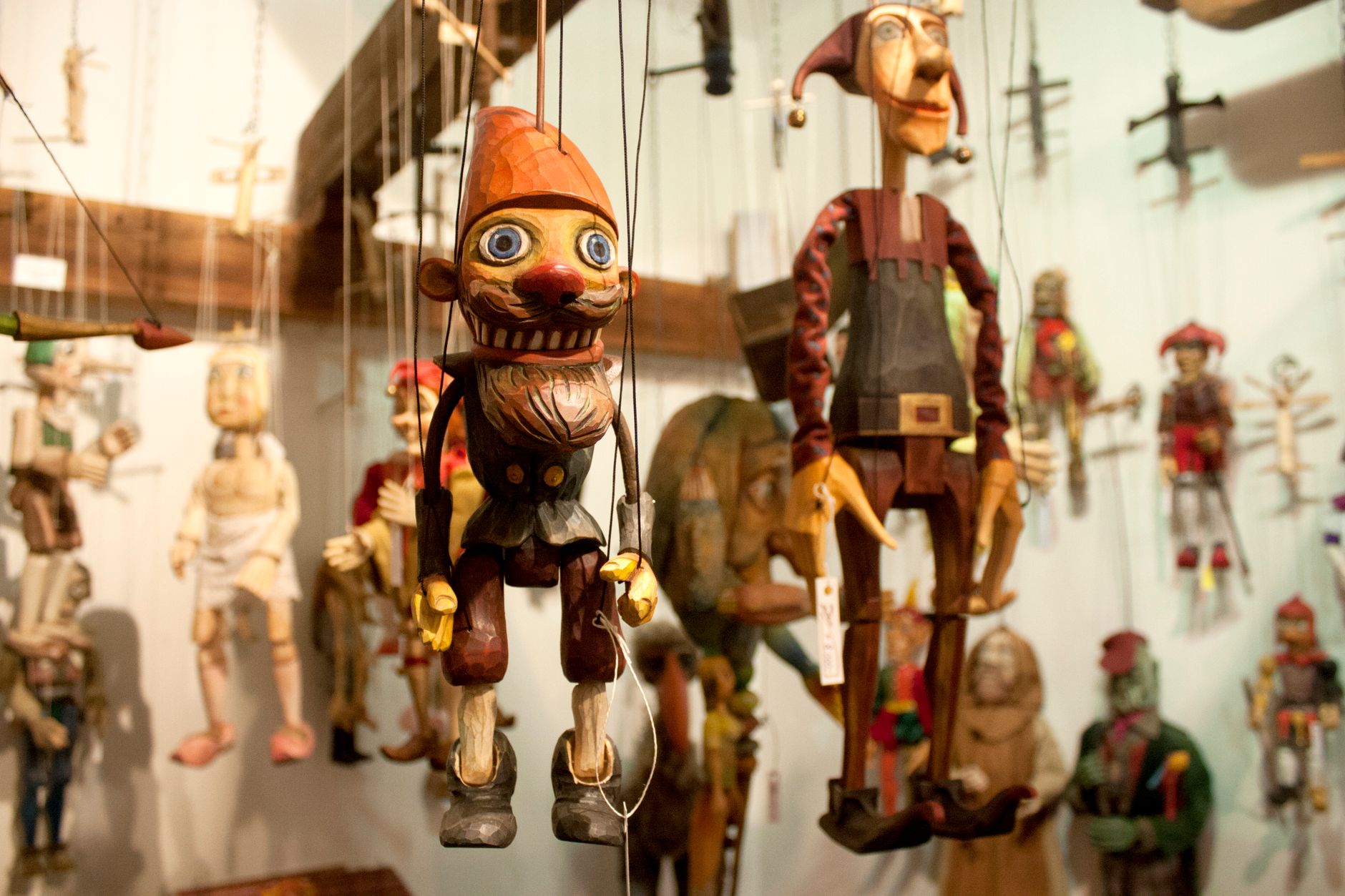
Photo by Bengi Su Yıldız
Choosing the Right Style and Type for Your Logo
Now that you have a clearer understanding of your brand, it's time to choose a visual style and logo type that fits your identity.
Logo Types Suitable for Children's Theater
Each logo type has its own strengths. For children's theater, consider:
- Wordmark: Features the theater's name in a creative font. This can be fun and readable, making it easy for kids to remember.
- Symbol: An emblem or icon that captures your brand essence. It can be a playful character or a theatrical element.
- Combination: Mixing a wordmark with a symbol can create maximum impact.
Color Psychology in Children's Branding
Colors evoke emotions and are vital in the children's theater world. Think bright, bold colors like yellows for happiness, blues for trust, and reds for excitement. Choose a color palette that resonates with children and parents alike, perhaps through experimentation using the Logo Maker Shop.
Designing the Logo
Once you've gathered your insights, it's time to roll up your sleeves and start designing.
Using the Logo Maker Shop for Your Design
Creating your logo can be a breeze with the Logo Maker Shop. Here’s a simple step-by-step guide to get you started:
- Sign Up: Create an account on Logo Maker Shop to access its design tools.
- Select a Template: Browse through their catalog of templates tailored for children's theater.
- Customize: Add your theater name, adjust colors, and modify typography to suit your brand identity.
- Preview and Save: Once satisfied, preview your design and save it in various formats.
Refining Your Logo Design
Remember, designing a logo is a process. Seek feedback from friends, family, or even potential audience members. Their opinions can provide fresh perspectives and lead to valuable iterations. Adjust elements as necessary until you're confident in the final design.
Finalizing and Implementing Your Logo
With your logo in hand, it’s time to integrate it into your branding strategy.
Using Your Logo Across Marketing Channels
Ensure your logo is used consistently across all platforms—website, social media, posters, and merchandise. Consider creating a brand style guide that outlines how the logo should be used to maintain consistency. This can be crucial for recognition and professionalism.
Protecting Your Logo and Brand Identity
Once your logo is finalized, think about protecting it legally. Consider trademark registration to safeguard it from being used by others. This is an important step to reinforce your brand identity and ensure that your hard work pays off.
Conclusion
In the vibrant world of children's theater, a well-designed logo serves as a powerful tool in establishing your brand. It reflects your unique identity, resonates with your audience, and helps create trust and recognition. So, take the steps outlined above, get creative, and let your theater shine through a captivating logo.
By doing so, you'll ensure your brand stands tall in the hearts and minds of children and parents alike, creating a lasting impact in the community. Remember, the journey of creating a logo is as exciting as the shows you’ll produce!

Michael Harper is a Senior Content Strategist at MarketInsider.co, a premier source for insights on digital marketing and business trends. With over 15 years of expertise in content development and strategic communications, Michael is renowned for his ability to craft compelling narratives that resonate with diverse audiences. He holds a Bachelor’s degree in Journalism from New York University and a Master’s degree in Business Administration from Columbia Business School. Outside of work, Michael is passionate about historical literature and enjoys hiking the trails of the Pacific Northwest.