Crafting a Killer Logo for Your Aircraft Sales Business
Want a logo that commands attention in the competitive aircraft sales industry? A strong logo isn't just pretty; it's a powerful tool that builds trust and professionalism. A unique and memorable design will set your company apart from the rest. This guide breaks down how to create a logo that works, even if you're a DIY expert.
Understanding Your Brand Identity
First, define your unique selling points. What makes your aircraft sales company different? Identify your ideal client. Are you focusing on luxury jets, commercial aircraft, or something else? Pinpointing your niche helps you create a logo that resonates with potential buyers.
- What are your core values?
- What problems do you solve for your clients?
- What are your company's strengths?
- What is your company's personality?
These answers guide your logo's colors, fonts, and imagery. Choosing colors that evoke trust, professionalism, and perhaps a touch of adventure is key. Think about the visual impact of fonts—they can convey your company's personality.
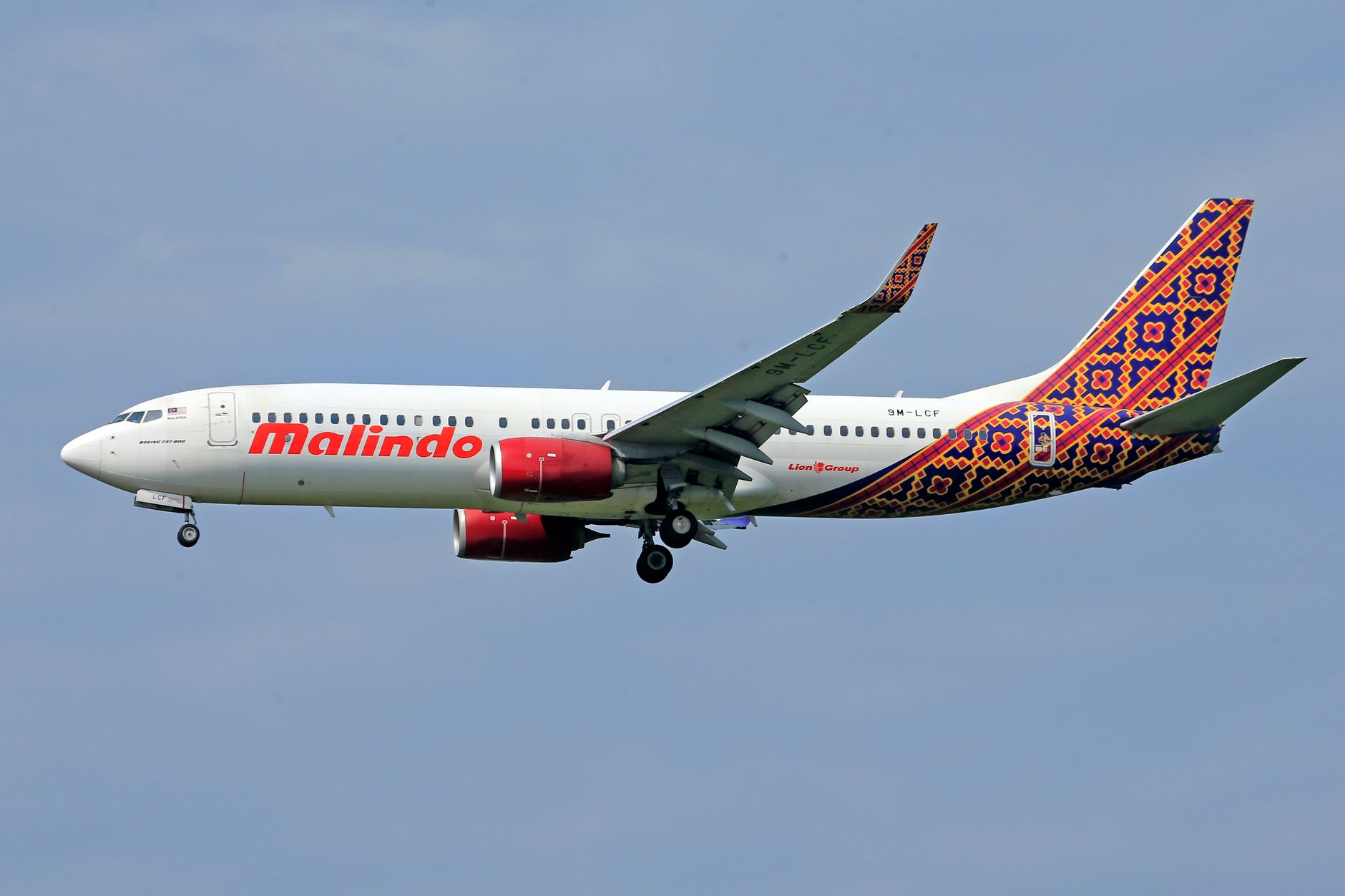 Photo by Jeffry Surianto (https://www.pexels.com/@saturnus99)
Crafting a Compelling Logo Design
Explore various logo design elements. Think beyond the obvious—what makes your aircraft sales company stand out? Look at successful logos in the aviation industry. Consider shapes, symbols, and imagery that represent your brand. A versatile logo design works seamlessly across various platforms, from your website to business cards. Make it memorable in this competitive market. A unique design is crucial.
Leveraging Logo Maker Shop's Resources
Logo Maker Shop offers tools to create professional-quality logos without needing design experience. Leverage templates and design elements that align with your brand's identity. Their resources are tailored for creating logos for your aircraft sales company. Use their tools to make sure your logo looks great and works across many platforms.
Choosing the Perfect Color Palette
Colors evoke powerful emotions. Colors like navy blue or deep green evoke trust and professionalism. Gold or silver can imply luxury and prestige. Consider color associations that resonate with the aviation industry. Does your company deal in vintage planes? Maybe a rich, slightly aged color scheme is appropriate.
Selecting Appropriate Fonts for Your Brand
Font selection isn't just about aesthetics. Fonts convey brand personality. Professional and authoritative fonts work well for this industry. Choose fonts that are readable and clear, even at a small size.
Essential Considerations for Aircraft Sales
Visual imagery and symbolism matter. Consider how you can use imagery related to aircraft—planes in flight, sleek designs—to represent your company. Look at successful aviation-related logos for inspiration. Don't forget to represent your core values visually.
Logo Variations and Applications
Create multiple logo variations for different contexts, such as your website, social media profiles, and business cards. Consistency is key across all platforms. Ensuring your logo looks great in all contexts is important for brand recognition.
Testing and Refining Your Design
Get feedback. Test your logo with potential clients. What do they think? Iterate based on feedback to refine the design for optimal impact. Use this to improve your design choices.
Finalizing and Implementing Your Logo
Finalize your design and implement it across platforms. Use your logo consistently to build brand recognition and trust. Use the logo on your website, social media accounts, and all marketing materials. Maintaining consistency is crucial.
Conclusion
A strong logo is an investment. It's a vital part of building brand recognition and trust for your aircraft sales business. Visit https://logomakershop.com/ to start creating your logo today. You'll be well on your way to building a powerful brand.

Michael Harper is a Senior Content Strategist at MarketInsider.co, a premier source for insights on digital marketing and business trends. With over 15 years of expertise in content development and strategic communications, Michael is renowned for his ability to craft compelling narratives that resonate with diverse audiences. He holds a Bachelor’s degree in Journalism from New York University and a Master’s degree in Business Administration from Columbia Business School. Outside of work, Michael is passionate about historical literature and enjoys hiking the trails of the Pacific Northwest.