How to Create a Logo for My Own Adventure Park Industry
Creating a logo for your adventure park is a vital step in establishing your brand identity. A well-designed logo serves not only as a visual representation of your park but also acts as a beacon for potential visitors, inviting them to experience the fun and excitement that awaits. Let’s explore the essential components of creating a captivating logo tailored specifically for the adventure park industry.
Understanding Your Adventure Park Brand
To craft a logo that resonates with your audience, start by understanding what makes your adventure park unique.
Defining Your Brand Identity
What sets your adventure park apart from the competition? Is it thrilling rides, immersive experiences, or perhaps lush natural surroundings? Defining your park's core values and mission is essential. Ask yourself:
- What emotions do you want to evoke in your visitors?
- What experiences do you offer that make your park special?
Your logo should encapsulate these values, making it a true representation of your adventure park.
Identifying Target Audience
Knowing your target audience is crucial. Adventure parks typically attract families, thrill-seekers, and groups of friends. Knowing who you want to attract will guide your design choices. Consider questions like:
- What age groups frequently visit?
- What interests and preferences do they have?
By answering these questions, you can tailor your logo design to appeal directly to them.
Finding Inspiration for Your Logo Design
Before diving into the design process, gather inspiration that reflects the adventurous spirit of your park.
Researching Competitors
Analyzing competitor logos can reveal industry trends and gaps that your logo could fill. What do their logos communicate? Are they colorful and playful, or sleek and modern? Make a note of the common elements in successful logos, and think about how you can differentiate yours.
Creating a Mood Board
A mood board can be an effective tool to visualize your ideas. Collect images, colors, and typography that resonate with your park’s theme. Consider incorporating:
- Photos of your park or similar attractions.
- Color palettes that reflect adventure, nature, and excitement.
- Fonts that evoke fun or thrill.
By piecing these elements together, you’ll create a visual guide that will steer your logo design.
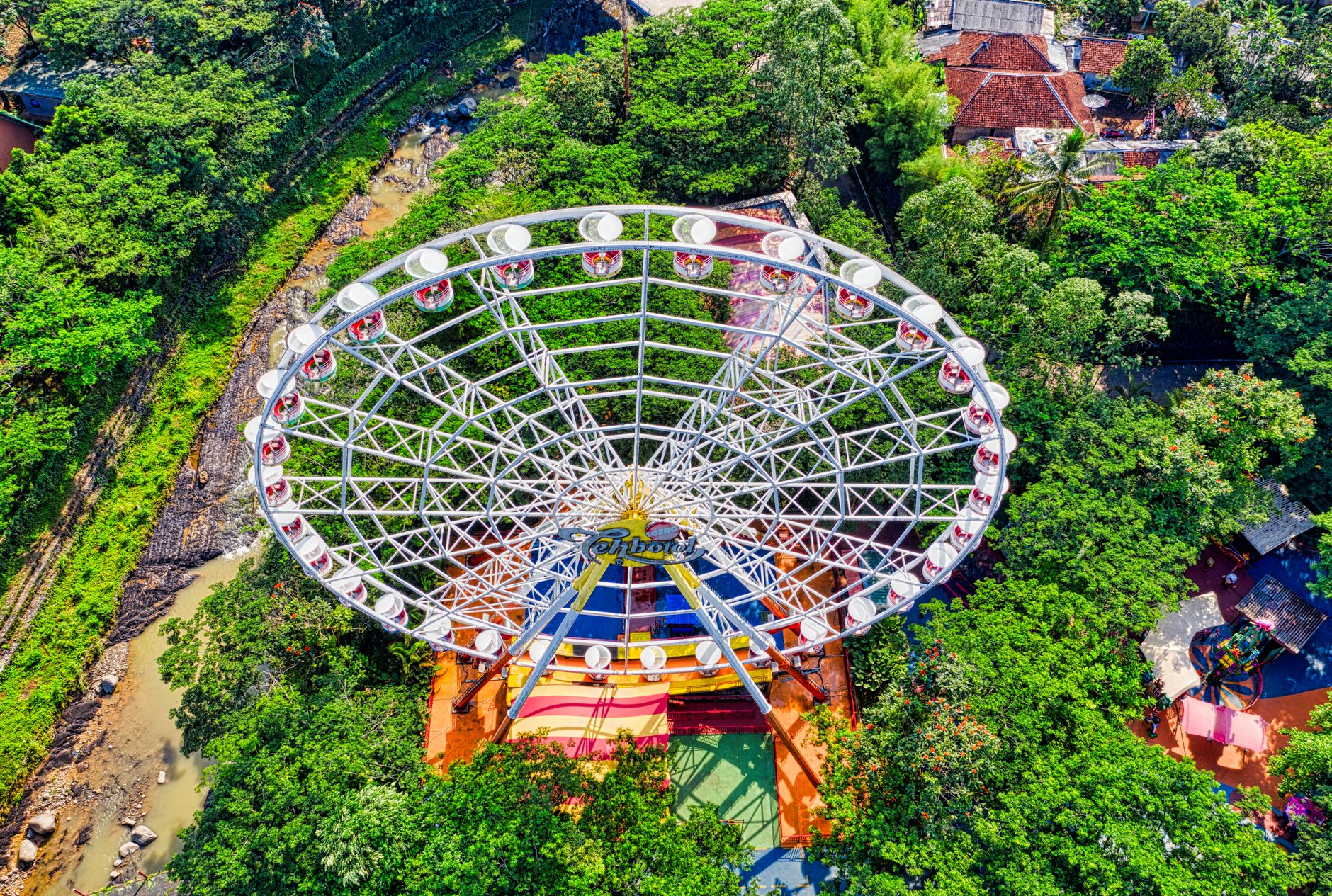
Photo by Tom Fisk
Key Elements of Adventure Park Logo Design
Your logo should be a fantastic representation of the excitement guests can expect at your park. Here are some key components to consider.
Choosing Colors That Capture Adventure
Colors play a significant role in how your logo is perceived. Bright, vibrant colors often evoke feelings of excitement and energy, which is perfect for an adventure park. For instance:
- Green conveys nature and fun.
- Orange symbolizes excitement and warmth.
- Blue adds a sense of trust and professionalism.
Finding the right balance can help capture the adventurous essence you want to project.
Selecting Appropriate Typography
The font you choose also communicates your park’s personality. Playful, rounded fonts may convey fun and excitement, while bold and condensed fonts can evoke strength and thrill.
Incorporating Relevant Imagery
Imagery matters! Consider integrating symbols that represent adventure, such as:
- Roller coasters
- Mountain ranges
- Trees or nature scenes
These elements can help communicate your park’s offerings at a glance.
Utilizing Logo Maker Shop for Your Design
One of the best resources for creating your logo is the Logo Maker Shop. It's user-friendly, allowing you to craft a logo that’s perfect for your adventure park without needing advanced design skills.
Step-by-Step Guide to Using Logo Maker Shop
- Visit the Logo Maker Shop: Start your logo journey by checking out their website at logomakershop.com.
- Select a Template: Browse through various logo templates designed specifically for adventure parks and related themes.
- Customize Your Logo: Adjust colors, fonts, and icons to make it your own.
- Preview: See how your logo looks on different promotional materials.
- Download: Once you’re satisfied, download your final logo for use across all platforms.
Exploring Logo Ideas and Templates
Don’t hesitate to explore different logo ideas available on the Logo Maker Shop. You’ll find a plethora of design options that can spark inspiration and guide your customization process.
Finalizing Your Logo Design
After creating a draft of your logo, it's time to wrap things up!
Gathering Feedback
Seek feedback from potential customers, team members, or even friends. Gauge their reactions to your logo. Is it too busy? Does it convey the intended message? Constructive criticism can be invaluable in refining your design.
Making Necessary Revisions
Based on feedback, make adjustments to your logo. This might involve tweaking colors, altering fonts, or simplifying the design elements. Remember, the goal is to ensure your logo serves its purpose effectively.
Launching Your Adventure Park Logo
Once your logo is finalized, it's time to make a splash!
Using the Logo Across Marketing Materials
Your logo will soon become synonymous with your brand, so use it everywhere—on your website, social media profiles, business cards, and promotional materials.
Creating Brand Consistency
Consistency is vital for brand recognition. Make sure to use your logo in a uniform manner across all platforms. This builds trust and familiarity with your audience.
Conclusion
A thoughtfully designed logo sets the foundation for your adventure park's brand. By understanding your unique identity, finding inspiration, and utilizing tools like the Logo Maker Shop, you can craft a logo that resonates with your audience and captures the adventurous spirit of your park. Remember, your logo is more than just an image; it's a representation of the thrilling experiences your adventure park has to offer. Dive into the process, stay creative, and watch your brand come to life!

Michael Harper is a Senior Content Strategist at MarketInsider.co, a premier source for insights on digital marketing and business trends. With over 15 years of expertise in content development and strategic communications, Michael is renowned for his ability to craft compelling narratives that resonate with diverse audiences. He holds a Bachelor’s degree in Journalism from New York University and a Master’s degree in Business Administration from Columbia Business School. Outside of work, Michael is passionate about historical literature and enjoys hiking the trails of the Pacific Northwest.