How to Create a Logo for My Own Adventure Cruise Industry
Creating a logo specifically tailored for the adventure cruise industry isn’t just a fun design task—it’s a critical step toward crafting your brand identity. In a market where first impressions matter, a well-designed logo can encapsulate your cruise business’s spirit while ensuring that potential customers remember you. Let’s explore how to design a logo that resonates deeply with adventure seekers and highlights the unique experiences your cruises offer.
Understanding the Adventure Cruise Industry
The adventure cruise industry is distinct from other sectors in that it actively combines leisure with exploration. Think about it—these cruises offer travelers a chance to explore remote destinations while enjoying luxury and comfort. This unique blend creates a vibrant market with specific consumer preferences, including a desire for experiences that feel personalized, adventurous, and fun.
In recent years, there’s been a growing trend toward eco-friendly travel and unique excursions that go beyond traditional itineraries. Travelers are looking for authenticity and memorable experiences, so your logo should reflect these aspects. If you can capture the essence of adventure in your design, you’ll likely attract the right audience.
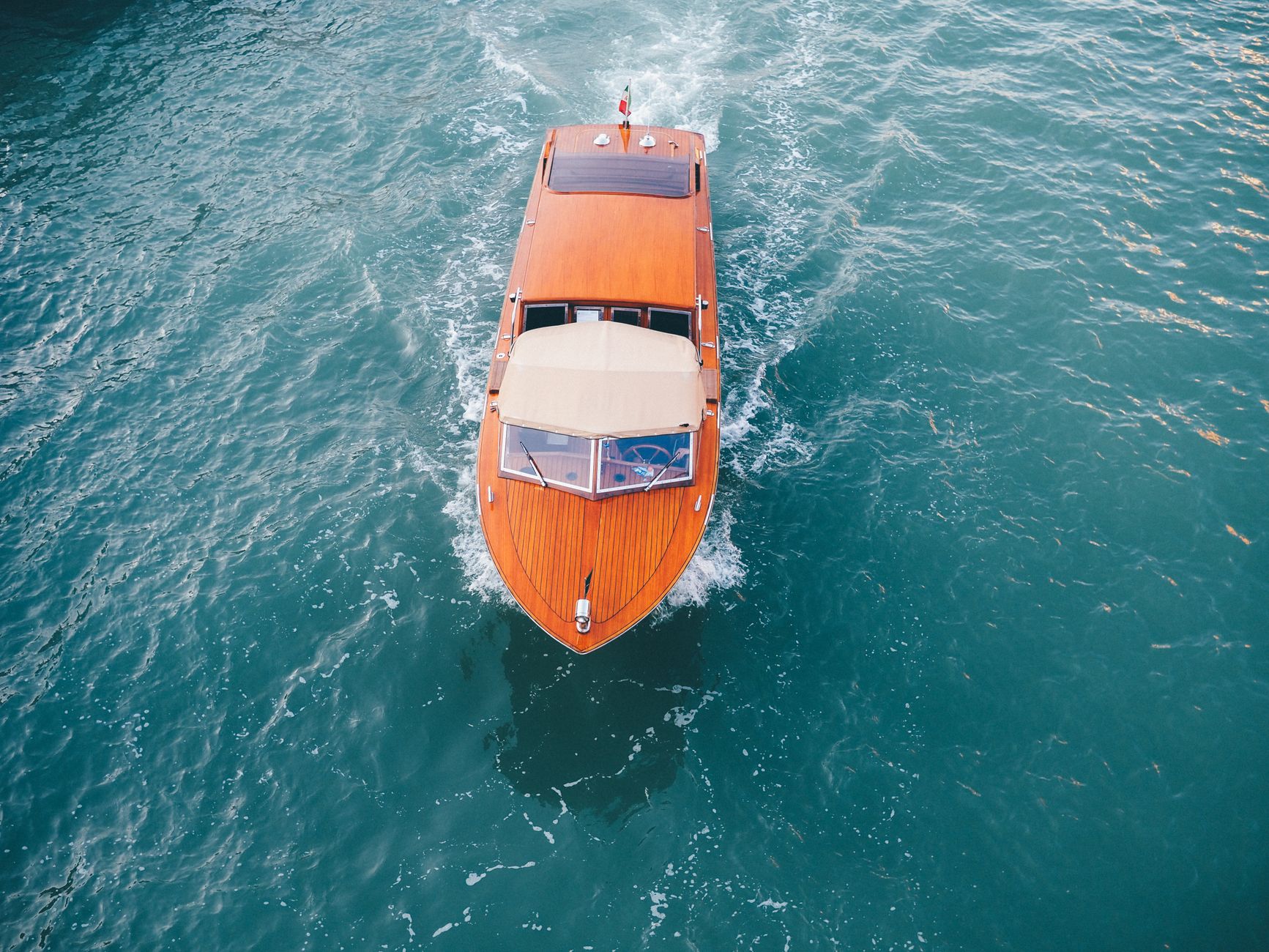
Photo by Florent Bertiaux
Defining Your Brand Identity
Before jumping into the design phase, it’s essential to understand your brand's mission, values, and target audience. This clarity is crucial in guiding all your logo design decisions.
Identifying Core Values and Mission
Start by asking yourself, what do you want your logo to communicate? List out key attributes and feelings you want your logo to convey to your audience. Do you want it to feel adventurous, safe, luxurious, or eco-conscious? Your logo should be the visual representation of your cruise brand and should resonate with your core values.
Target Audience Analysis
Next, take a closer look at who your potential cruise passengers are. What do they value? What experiences are they looking for? By understanding the demographics (like age and income) and psychographics (like interests and travel motivations) of your audience, you can design a logo that speaks directly to them.
Logo Design Inspiration
Gathering inspiration is crucial for a successful logo design. Here are some effective sources:
Exploring Existing Adventure Cruise Logos
Take some time to analyze successful logos within the adventure cruise industry. Look for design elements that capture adventure and exploration. Notice how they use colors, fonts, and symbols to create an impactful presence. Consider what makes them effective. This research can ignite your creative process.
Utilizing Online Platforms for Design Ideas
Don’t overlook the power of online tools! Platforms like Logo Maker Shop can serve as excellent resources to gather design ideas and inspiration for your logo. Their extensive database of templates and logos can help spark creativity in your design quest.
Choosing the Right Logo Style
Now that you have some inspiration, it’s time to think about the styles that best suit the adventure cruise sector. Each logo style has its unique characteristics:
Emblem and Badge Logos
These styles evoke a sense of tradition and adventure. Often contained within a shape or badge, they create a classic feel, which can resonate well with customers looking for a trustworthy brand that values experience.
Wordmark Logos
A wordmark logo relies on bold typography to make a statement. This style can enhance brand recognition and can be particularly effective if you have a unique or catchy name.
Step-by-Step Logo Creation Process
Creating a logo might seem daunting, but breaking it down into steps can simplify the task.
Utilizing Logo Maker Shop
Starting with Logo Maker Shop gives you a streamlined approach to creating your logo. Simply choose a template that aligns with your brand vision, customize it with your colors, fonts, and graphics, and refine it until it feels right.
Incorporating Brand Colors and Fonts
Consider the meaning behind colors and fonts when designing your logo. Want your design to reflect calm? Blue might be your go-to. For excitement, consider using vibrant reds or oranges. Learn more about the psychology of colors in branding here.
Finalizing Your Logo Design
Before you settle on a final design, gather feedback. Show drafts to potential customers, peers, and friends. Their insights can be invaluable. Tweak your design based on constructive criticism to ensure it resonates well with your target audience.
Testing Your Logo for Effectiveness
Once you have a logo, it’s time to test its effectiveness. Conduct focus groups or surveys to gather feedback. Ask questions like, “What emotions does this logo evoke?” and “Does it communicate adventure?” This feedback can help you refine your logo further or confirm that you’re on the right track.
Integrating Your Logo into Your Branding Strategy
Having a fantastic logo is just the start. For it to be effective, you need to integrate it consistently across various marketing channels. Use it on your website, social media accounts, email signatures, and marketing materials. Consistency ensures that your brand stays recognizable no matter where your audience sees it.
Conclusion
In summary, crafting a logo for your adventure cruise industry isn’t just about aesthetics; it’s a fundamental piece of your brand identity. By understanding your market, defining your values, drawing inspiration, and going through a structured design process, you’ll create a logo that ventures well beyond mere graphics to communicate your brand’s essence. So take the first step and start designing your adventure cruise logo today using the tools and strategies we've discussed! Your journeys await.

Michael Harper is a Senior Content Strategist at MarketInsider.co, a premier source for insights on digital marketing and business trends. With over 15 years of expertise in content development and strategic communications, Michael is renowned for his ability to craft compelling narratives that resonate with diverse audiences. He holds a Bachelor’s degree in Journalism from New York University and a Master’s degree in Business Administration from Columbia Business School. Outside of work, Michael is passionate about historical literature and enjoys hiking the trails of the Pacific Northwest.