How to Create a Logo for My Own Activewear Materials Industry
Creating a standout logo for your activewear materials brand isn’t just about aesthetics; it’s about crafting a visual identity that encapsulates your brand’s essence, values, and mission. In a market saturated with options, a well-designed logo can distinguish you from competitors, create brand loyalty, and convey professionalism. Let’s dive into how you can create an appealing logo that resonates with your audience and amplifies your brand.
Understanding Your Brand Identity
Before starting on your logo design, grasping your brand identity is crucial. This identity is how your brand communicates its purpose, ethics, and promise to customers.
Identifying Target Audience
Knowing your audience shapes your logo design. Are your activewear products geared towards casual joggers, hardcore athletes, or environmentally conscious consumers? Tailoring your logo to reflect their preferences can make a significant impact. Think about what styles, colors, or symbols resonate with them.
Core Brand Values
Your logo should also convey your brand values. Are sustainability and innovation at the forefront of your activewear materials? Consider incorporating these elements into your logo. For example, using earthy colors or natural symbols can speak volumes about your commitment to the environment.
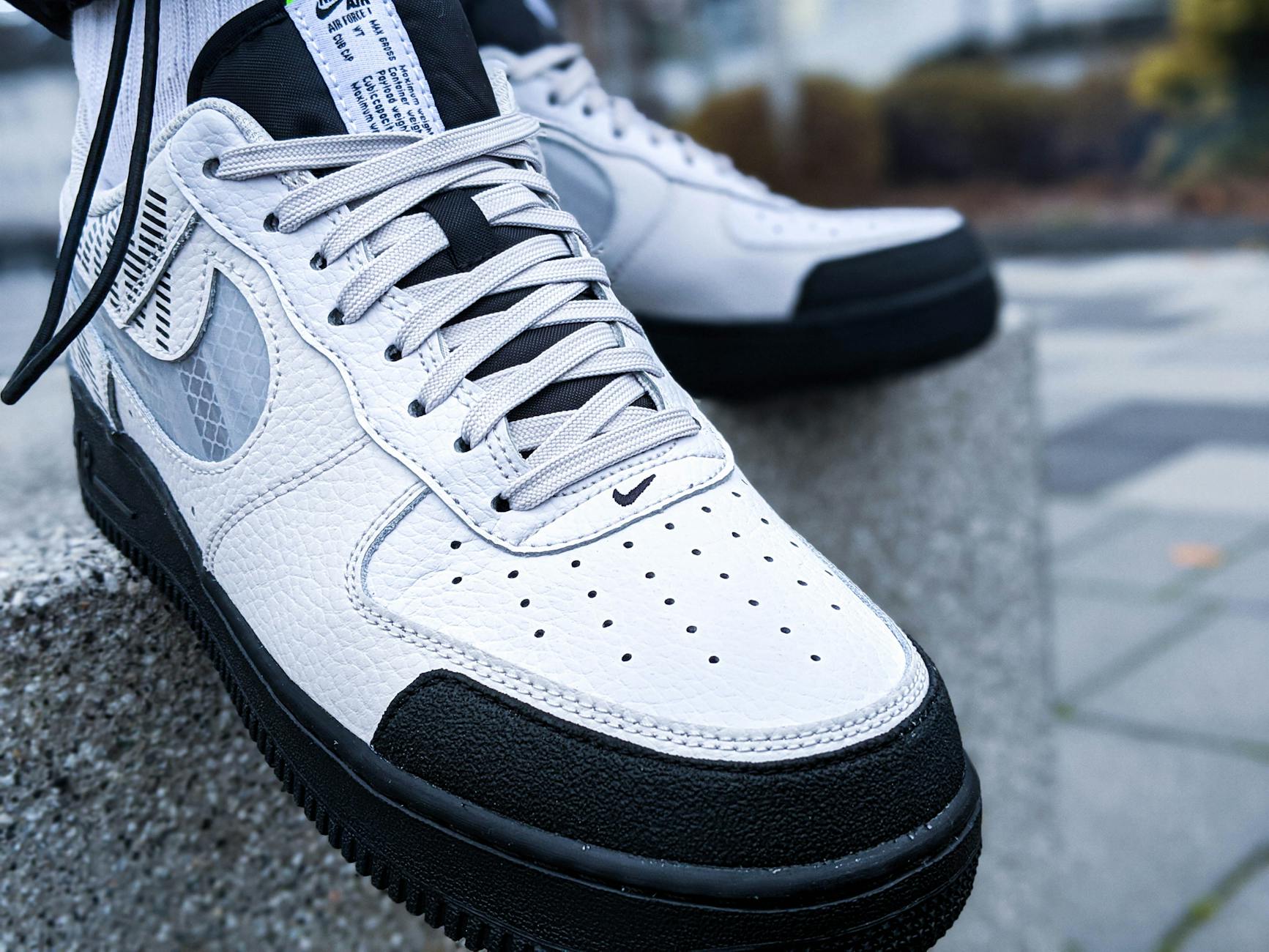 Photo by Grailify
Finding Inspiration for Your Logo Design
Inspiration doesn’t just strike; it often requires exploration. Look at various sources for logo design ideas relevant to the activewear industry.
Researching Competitors' Logos
Analyze your competitors' logos. What colors do they use? What styles resonate in your industry? This doesn’t mean copying their designs; rather, it’s about gathering insights to ensure your logo stands out and avoids overlap.
Utilizing Mood Boards
Creating a mood board can be an effective way to visualize potential styles and themes for your logo. Collect images, colors, textures, and logos that appeal to you, and identify consistent themes. This will serve as a creative springboard!
Choosing the Right Logo Style
The style of your logo plays a vital role in how your brand is perceived.
Wordmark and Letterform Logos
Wordmark logos use the full name of your brand, while letterform logos utilize initials. These styles can establish a strong and straightforward identity, suitable if your brand name has a catchy ring to it. They keep things simple yet effective.
Iconic and Abstract Logos
Think about creating iconic or abstract logos that capture energy and movement—ideal for activewear. An abstract design can convey motion, a key element in sportswear, while an iconic logo can be easily recognizable even without words.
Utilizing the Logo Maker Shop for Design
Consider leveraging the Logo Maker Shop for creating your logo independently. This platform simplifies the design process and offers tools that accommodate both novices and seasoned designers.
Step-by-Step Logo Creation
Follow a detailed guide from the Logo Maker Shop on how to create logos. It’s straightforward and user-friendly, allowing you to explore creativity without overwhelming complexity.
Customizing Your Logo
Once you create a base logo, take time to customize it to reflect your unique brand personality. Use color palettes that align with your brand values to enrich the visual depth of your logo.
Color and Font Selection
Colors and fonts carry significant weight in how your brand is perceived.
Psychology of Color in Branding
Colors evoke emotions and convey messages. For the activewear industry, consider using vibrant colors like red for energy or blue for trust. Research shows that consumers associate certain colors with specific traits; leverage this to your advantage!
Choosing the Right Font
Select fonts that resonate with your brand voice. For instance, a sleek, modern font may appeal to a high-tech audience, while a bold, sporty font suits an active lifestyle brand. Remember, readability is crucial!
Testing Your Logo Design
Before finalizing your logo, it's essential to test its effectiveness.
Gathering Feedback
Collect opinions from potential customers and colleagues. What do they feel when they see your logo? Does it resonate with the values you want to communicate? Gather constructive criticism and insights.
Making Adjustments Based on Feedback
Take the feedback you gather seriously. If your audience doesn’t connect with the logo, consider making adjustments to enhance its impact and ensure it aligns with your brand identity.
Finalizing Your Logo
Once you're satisfied with your logo, it’s time to finalize it. This includes making sure it's versatile across different formats—whether on apparel, online platforms, or promotional materials.
Implementing Your Logo Across Marketing Materials
Consistency is key in branding. Once your logo is ready, it should be displayed uniformly across all marketing assets.
Displaying on Activewear Products
Think about how your logo can be showcased on your activewear products. Consider placements that maximize visibility while maintaining design integrity.
Using in Digital Marketing
Incorporate your logo into digital marketing channels. Whether it’s your website, social media, or email campaigns, ensure your logo appears consistently. This reinforces brand recognition and loyalty online.
Conclusion
Creating a logo for your activewear materials brand is an exciting journey filled with opportunities for self-expression and connection with your audience. By understanding your brand identity, gathering inspiration, choosing the right styles, and implementing your design across various platforms, you can establish a strong visual presence in the activewear industry. Start your logo design journey today, and let’s make your brand unforgettable!

Michael Harper is a Senior Content Strategist at MarketInsider.co, a premier source for insights on digital marketing and business trends. With over 15 years of expertise in content development and strategic communications, Michael is renowned for his ability to craft compelling narratives that resonate with diverse audiences. He holds a Bachelor’s degree in Journalism from New York University and a Master’s degree in Business Administration from Columbia Business School. Outside of work, Michael is passionate about historical literature and enjoys hiking the trails of the Pacific Northwest.