How to Create a Logo for My Own Academic Assistance Industry
Building a distinct logo for your academic assistance brand is more than just an aesthetic choice—it's vital for establishing a strong market presence. In an industry where trust and reliability are crucial, your logo serves as the visual backbone of your brand identity. It symbolizes your mission and values, making it instantly recognizable to your audience. Let’s explore the steps to create an impressive logo specifically tailored for the academic assistance industry.
Understand Your Brand Identity
Before diving into the design process, it's important to grasp what your brand truly stands for. Ask yourself: What message do I want my logo to convey?
Identify Your Audience
Understanding your target audience is key to designing a relevant logo. Are you catering to high school students seeking tutoring, college scholars needing research support, or adults looking for professional development? Knowing your audience allows you to tailor your design to resonate with their needs and preferences.
Define Your Values and Mission
Take time to articulate the core values and mission your logo should represent. Perhaps you emphasize reliability, accessibility, or innovation in your educational services. Reflecting these attributes in your logo helps build credibility and trust with potential clients.
Gather Inspiration
Inspiration is everywhere, but tailoring it specifically for the education sector enhances relevance.
Research Competitors
Look into logos from similar businesses in the academic assistance field. What do you like or dislike about their designs? Identifying common strategies and unique approaches can inform your logo's direction, ultimately helping you stand out.
Look at Successful Academic Logos
Evaluate standout logos in the education sector. Consider brands with clear, professional aesthetics. Successful examples serve as excellent inspiration for creating your unique identity.

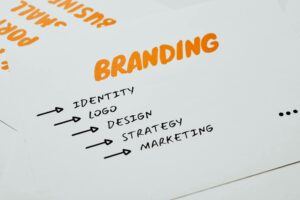
Photo by Pavel Danilyuk
Choose Your Logo Style
Selecting the right logo style sets the tone for your entire branding experience.
Minimalist vs. Illustrative
Two main styles often arise in logo design: minimalist and illustrative. Minimalist designs focus on simplicity, using clean lines and fewer elements. This style often conveys professionalism—ideal for academic branding. On the other hand, illustrative logos can tell a richer story, incorporating details that showcase your brand's uniqueness. Decide which style aligns better with your message and audience perception.
Typography Choices
Font selection plays a significant role in your logo's approval. A strong, clear typeface can communicate professionalism, while a more casual font can make your brand feel approachable. Choose fonts that match your values and attention to detail.
Utilize the Logo Maker Shop
Creating a logo doesn't have to be overwhelming—you can use the Logo Maker Shop to streamline the process.
Accessing Templates and Ideas
Begin by browsing through the wide array of templates available at Logo Maker Shop. Look for inspiration that aligns with your brand identity, and don’t hesitate to tweak initial designs to suit your vision better.
Customization Options
One of the most exciting features at Logo Maker Shop is the ability to customize your logo. Adjust colors, fonts, and layouts to create a logo that genuinely reflects your academic assistance brand.
Select Colors and Fonts
The right colors and fonts not only enhance your logo’s appearance but also anchor your brand identity.
Color Psychology in Education
Color influences perception in profound ways. For instance, blue communicates trust and reliability, perfect for education-focused brands. Meanwhile, green signifies growth and learning. Consider these associations when selecting your color palette.
Font Pairing Tips
Pairing fonts can create a cohesive look for your logo. Select a primary font for your brand name and a complementary font for any taglines or additional text. Ensure that both fonts are legible and that they harmonize well together.
Refining Your Logo Design
Once you’ve drafted your logo, refinement is crucial to achieve the best outcome.
Collecting Feedback
Present your logo drafts to friends or colleagues to garner constructive feedback. They may offer insights you hadn’t considered and can help identify potential pitfalls before finalization.
Iterate and Improve
Use the feedback to make iterations on your design. Don’t hesitate to experiment with different adjustments to arrive at the most polished version of your logo.
Finalizing and Implementing Your Logo
After perfecting your logo, focus on its finalization and implementation.
Creating a Brand Guide
A brand guide helps maintain consistency across all of your branding efforts. Document color codes, fonts, and placement guidelines to ensure your logo is used correctly across various platforms.
Putting Your Logo to Use
Your new logo is an asset, so maximize its visibility! Use it on your website, social media channels, and marketing materials like flyers and business cards. Strong branding feels integrated everywhere your audience interacts with your business.
Conclusion
Creating a logo for your academic assistance industry requires thoughtful planning and creativity. Start by understanding your brand identity, gathering inspiration, and choosing a fitting design style. Utilize resources like the Logo Maker Shop to make the design process smoother, and invest time in refining your logo before implementing it across your branding.
By following these steps, you’ll be on your way to establishing a powerful brand identity that resonates well with your target audience. Your logo won’t just be a visual; it’ll be a symbol of the values and mission you bring to the academic assistance world.

Michael Harper is a Senior Content Strategist at MarketInsider.co, a premier source for insights on digital marketing and business trends. With over 15 years of expertise in content development and strategic communications, Michael is renowned for his ability to craft compelling narratives that resonate with diverse audiences. He holds a Bachelor’s degree in Journalism from New York University and a Master’s degree in Business Administration from Columbia Business School. Outside of work, Michael is passionate about historical literature and enjoys hiking the trails of the Pacific Northwest.