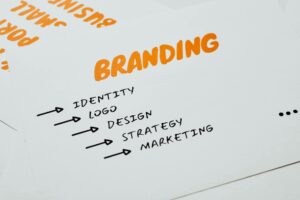
Eco-Conscious Living Fair Event Logo Design Ideas
Logo design plays a crucial role in branding eco-conscious events. The logo not only represents the event but also communicates its values and objectives. When designing a logo for an Eco-Conscious Living Fair, it's important to consider elements that resonate with sustainability, eco-friendliness, and community engagement. This article explores key characteristics of effective logos for such events, along with ideation techniques and inspiring case studies.
Key Characteristics of Eco-Conscious Event Logos
Creating a logo for an eco-conscious event isn't just about aesthetics; it’s about conveying a deeper message. Here are essential elements that define effective logos for eco-conscious events.
Sustainability and Nature Inspiration
Start your design by tapping into elements associated with nature and sustainability. Incorporate colors like green and earthy tones that reflect the natural environment. Consider using visual motifs like leaves, trees, or water droplets, which symbolize life and growth. These elements create an immediate connection with the audience and reinforce the eco-friendly message.

Photo by Lucie Liz
Simplicity and Clarity
In logo design, less is often more. A simple, clear logo is memorable and effectively communicates the message at a glance. Avoid overly complex designs that can confuse the viewer. Instead, focus on a clean layout that highlights essential elements associated with eco-consciousness, ensuring your message gets through without unnecessary distractions.
Symbolism and Visual Impact
Leverage symbols that resonate with the theme of sustainability. Common icons include recycling arrows, plants, or global imagery. These symbols can quickly convey the event's values, making your logo both impactful and recognizable. For instance, a leaf can symbolize both nature and renewal, encapsulating what the event stands for.
Typography Choices for Eco-Conscious Logos
Choosing the right font is crucial in shaping your logo's tone. For eco-conscious logos, consider fonts that have a natural or hand-drawn look. These fonts can reflect authenticity and warmth, reinforcing the message of community and connection with nature. Avoid harsh, industrial fonts that might convey the opposite of what your event represents.
Ideation Techniques for Logo Design
Now that you know the key characteristics of eco-conscious logos, let’s explore practical tips for brainstorming your design.
Mind Mapping for Logo Concepts
Mind mapping is a fantastic starting point for generating creative ideas. Write "Eco-Conscious Living Fair" at the center of your map, then branch out with related words and images. This can include concepts like sustainability, community, nature, and well-being—each branch inspiring possible design elements for your logo.
Researching Competitor Logos
Browse logos from similar events for inspiration. This research allows you to identify trends while ensuring your design remains original. Pay attention to color schemes, typography, and overall layouts. Understanding what works (and what doesn’t) will help you create something unique that stands out in the eco-conscious niche.
Creating Mood Boards
Gathering a visual collection of colors, fonts, and images can help solidify your design direction. Create a mood board with elements that align with the theme of eco-conscious living. Include images of nature, potential color palettes, and typography examples. This board can serve as a visual reference throughout the design process.
Prototyping with Logo Maker Shop
Once you've conceptualized your ideas, it’s time to bring them to life. Utilize the Logo Maker Shop to prototype and refine your logo. This platform offers user-friendly tools to customize your design easily, ensuring your logo represents your vision accurately.
Inspiring Case Studies in Eco-Conscious Logo Design
Learning from successful examples can spark your creativity. Here are notable logos from previous eco-conscious events, delving into what makes them effective.
Analyzing Successful Event Logos
Take a look at logos that successfully convey the values of sustainability. For example, a fair that features a logo with a sun peeking over mountains can reflect not only the event's focus on nature but also a sense of hope and renewal. Analyze how these logos incorporate colors and symbols that resonate with the audience.
Innovative Techniques in Logo Design
Consider how some organizations have employed innovative design techniques. For instance, using negative space creatively can add depth to your logo and encourage viewers to engage with it. This approach keeps your design fresh and exciting, while still communicating your eco-friendly message.
Practical Tips for Effective Logo Design
To create an eco-conscious logo that resonates with your target audience, follow these actionable insights.
Testing and Getting Feedback
Before finalizing your design, test it with potential attendees or focus groups. Collect feedback on the logo's visual impact and message. Use this input to tweak your design and ensure it resonates with your audience.
Ensuring Versatility Across Platforms
Your logo should effectively function across various platforms, whether it’s on promotional materials, websites, or social media. Ensure it’s scalable and retains its visual integrity when resized. A versatile logo can adapt effortlessly to both print and digital formats, allowing for seamless branding.
Conclusion and Next Steps
Thoughtful logo design is essential for the success of eco-conscious events. By incorporating sustainable elements, maintaining simplicity, and choosing appropriate typography, you can create a logo that resonates with attendees. Start your logo design journey using the insights and techniques shared in this article. Utilize resources like How to Create Logos with Logo Maker Shop to ensure your eco-conscious living fair stands out.

Michael Harper is a Senior Content Strategist at MarketInsider.co, a premier source for insights on digital marketing and business trends. With over 15 years of expertise in content development and strategic communications, Michael is renowned for his ability to craft compelling narratives that resonate with diverse audiences. He holds a Bachelor’s degree in Journalism from New York University and a Master’s degree in Business Administration from Columbia Business School. Outside of work, Michael is passionate about historical literature and enjoys hiking the trails of the Pacific Northwest.