Drainage Solutions Industry Logo Design Ideas
A compelling logo is crucial in the drainage solutions industry. It not only reflects your brand but also enhances recognition and builds trust with your potential clients. Your logo should encapsulate the essence of your business, making a memorable first impression. A well-designed logo distinguishes you from competitors and communicates your professionalism and expertise in the field. Let’s explore effective strategies for creating an impactful logo tailored for the drainage solutions industry.
Key Characteristics of Effective Drainage Solutions Logos
Logos in the drainage solutions industry have specific characteristics that contribute to their effectiveness. Understanding these traits can guide you in the design process.
Symbolism and Imagery
Using relevant symbols can provide instant recognition. For instance, water flow, pipes, and drainage systems are powerful representations of your business. Each symbol carries its meaning—water symbolizes both the element of drainage and the flow of life, while pipes signify the infrastructure that supports your services. Incorporating these elements strategically can communicate the core of your services immediately.
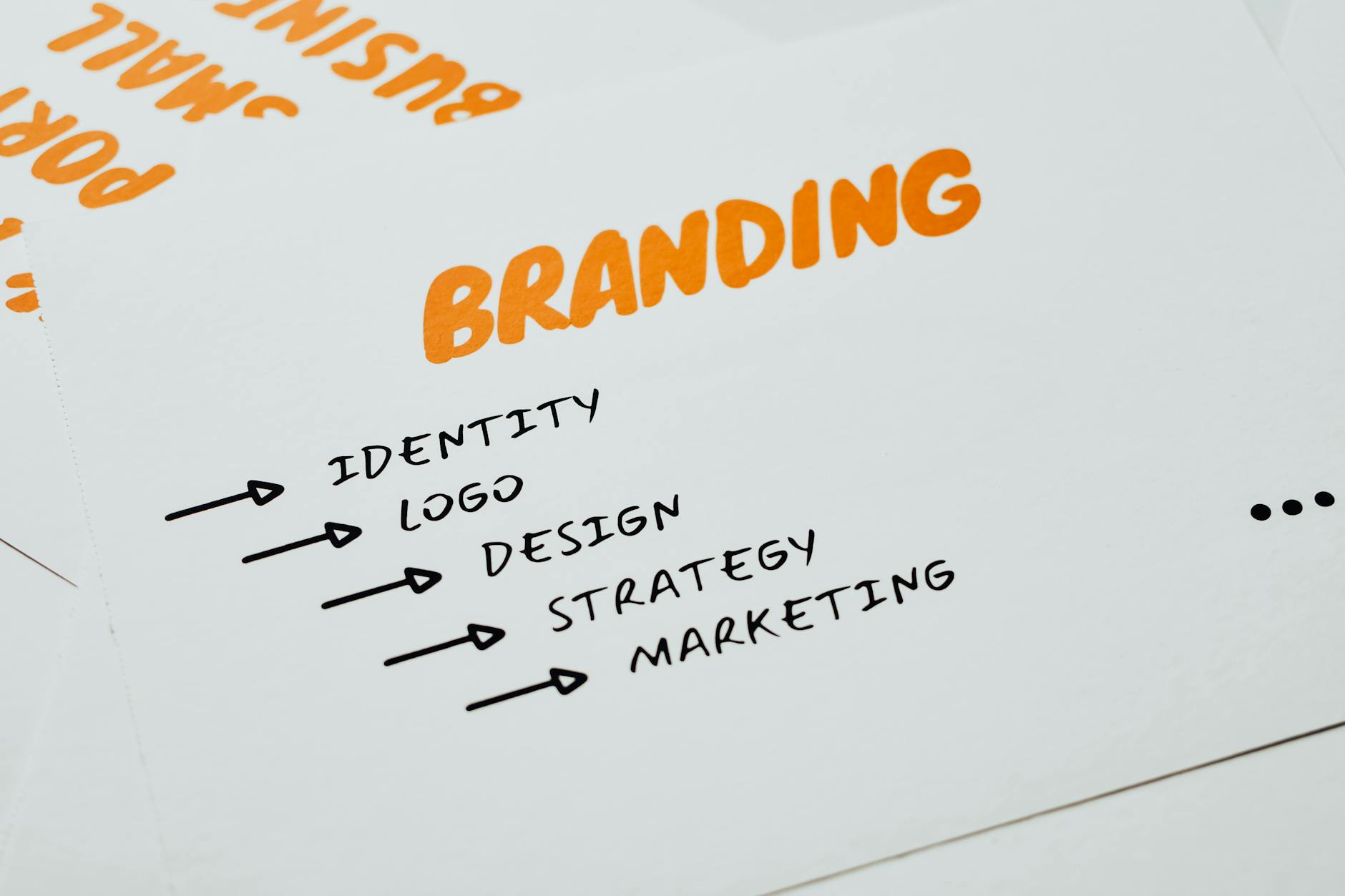
Photo by Eva Bronzini
Color Palette Considerations
Colors play an essential role in logo design. In the drainage solutions sector, blue and green are commonly used. Blue evokes feelings of trust and reliability, resembling water and cleanliness, while green suggests environmental awareness and sustainability. The right colors in your logo can create an emotional connection with your audience, helping to forge a strong brand identity.
Font Selection for Clarity and Professionalism
The fonts you choose can significantly impact how your business is perceived. Clarity is key—opt for professional typefaces that convey stability and authority. Avoid overly decorative fonts, as they can detract from your message. A clean, modern font can enhance readability and professionalism, making your brand memorable and trustworthy.
Practical Ideation Techniques for Logo Design
Generating fresh logo concepts requires a systematic approach. Here are some practical ideation techniques:
Research and Inspiration
Start by exploring resources to find design inspiration. Platforms like the Logo Maker Shop can showcase diverse logo styles and elements that resonate with your vision. Consider analyzing competitors' logos to identify trends and what works well in the industry. Understanding existing designs will help you carve out a unique identity for your brand.
Discover how to create impactful logos with Logo Maker Shop.
Sketching Concepts
Before moving to digital design, sketch your ideas on paper. This technique allows you to brainstorm freely without the constraints of technological tools. Capture your thoughts visually to explore various styles and structures. You may find that the best ideas evolve from simple sketches, making the transition to digital much easier.
Feedback and Iteration
Once you have a few designs, seek feedback from peers or potential customers. They can provide valuable insights and different perspectives you may not have considered. Use constructive criticism to refine your logo until it resonates with your audience and truly reflects your brand's ethos.
Trends in Drainage Solutions Logo Design
Staying current with design trends can elevate your logo’s relevance. Here are a few trends noteworthy in the drainage solutions industry:
Minimalistic Designs
Simplicity is in. Minimalistic logos are effective as they focus on essential elements without unnecessary clutter. A clean approach can enhance brand recognition, making your logo versatile across different media platforms, from business cards to online applications.
Geometric Shapes and Symmetry
Geometric designs offer a modern look that appeals to consumers. They create a sense of balance and clarity, which can be particularly striking in the context of a drainage solutions brand. Designs featuring geometric shapes often translate well in both print and digital environments, ensuring consistent branding.
Integration of Eco-Friendly Themes
As sustainability becomes a critical focus for many businesses, integrating eco-friendly themes into your logo can enhance your brand’s values. Using green elements or symbols that represent environmental responsibility can attract an audience that prioritizes sustainable practices.
Case Studies of Successful Drainage Solutions Logos
Studying existing successful logos can provide insights into effective design elements.
Brand Identity and Recognition
Consider companies with strong logos in the drainage solutions sector. Their logos are not just memorable but also contribute significantly to their overall brand identity. They encapsulate values such as reliability and professionalism, reinforcing their market position.
Adaptation Across Various Media
A successful logo must be adaptable. It should look equally impressive on a truck, a business card, or a website. The best logos maintain integrity regardless of where they're displayed, ensuring consistent recognition.
Conclusion and Call to Action
Creating a standout logo in the drainage solutions industry requires thoughtfulness and creativity. By focusing on key characteristics like symbolism, color choice, and professional font selections, you can craft a logo that effectively represents your brand and resonates with your target audience. Don’t hesitate to leverage resources like the Logo Maker Shop to bring your logo ideas to life.
Start your journey today with Logo Maker Shop and design an impactful logo that reflects the essence of your business.
Final Thoughts on Logo Design in the Drainage Solutions Industry: A strong logo is not just a graphic—it’s the cornerstone of your brand identity. Own it.

Michael Harper is a Senior Content Strategist at MarketInsider.co, a premier source for insights on digital marketing and business trends. With over 15 years of expertise in content development and strategic communications, Michael is renowned for his ability to craft compelling narratives that resonate with diverse audiences. He holds a Bachelor’s degree in Journalism from New York University and a Master’s degree in Business Administration from Columbia Business School. Outside of work, Michael is passionate about historical literature and enjoys hiking the trails of the Pacific Northwest.