Disposable Goods Industry Logo Design Ideas
In today’s competitive marketplace, a well-designed logo is crucial for establishing brand identity and recognition, especially in the disposable goods industry. It serves as a visual representation of your business and its values, instantly evoking thoughts about your products. A memorable logo can connect with consumers on a deeper level, enhancing brand loyalty and driving sales. Let’s explore some engaging ideas for logo design tailored specifically for this dynamic sector.
Understanding the Disposable Goods Industry
The disposable goods industry encompasses a wide range of products designed for single-use or limited use. These include everyday items such as plates, cups, cutlery, straws, packaging materials, and personal care products like wipes and diapers. The consumers of these products vary greatly, encompassing households, restaurants, event planners, and businesses that prioritize convenience. Understanding your target audience is pivotal in crafting a logo that resonates with potential customers.
Key Characteristics of Effective Logos in the Disposable Goods Sector
When designing a logo for the disposable goods industry, there are key characteristics to keep in mind that will elevate your brand.
Simplicity and Memorability
In a market flooded with utilitarian products, a simple logo design is essential. Minimalist logos are easy to recognize and recall, which is vital given how quickly consumers make purchasing decisions. A straightforward design can communicate the essence of your products without overwhelming potential customers. Think about icons like the recycling symbol or simple illustrations of the products you offer; they portray your brand's message in an instantly recognizable way.
Color Psychology and Brand Perception
Color plays a significant role in branding. Your logo’s color scheme can influence buyer emotions and perceptions. For example, green often symbolizes sustainability, making it an excellent choice for brands focusing on eco-friendly disposable goods. Bright colors can convey fun and energy, perfect for products targeting younger audiences. Consider how the colors in your logo reflect your brand’s identity and the emotions you want to evoke.
Symbolism Reflecting Sustainability
Many consumers today prioritize environmental sustainability. Incorporating elements that reflect this value—such as leaves, earth tones, or recyclable materials—can enhance your logo’s appeal. Symbols of renewal and care for the planet resonate strongly with modern buyers, particularly in the disposable goods sector.
Ideation Techniques for Logo Design
Generating a logo design doesn’t have to be daunting. Here are actionable steps that will guide you through conceptualizing your logo.
Researching Competitors and Market Trends
One of the first steps in your logo design process should be conducting thorough research. Analyze your competitors' logos and identify what works and what doesn’t. Look for trends within the disposable goods industry, such as color palettes and design styles that capture consumer attention. This can spark ideas and ensure your logo stands out from the crowd.
Utilizing Logo Maker Shop for Inspiration
If you're looking to jump-start your creativity, the Logo Maker Shop can be a fantastic resource. It offers a variety of logo ideas that can inspire your design process. With user-friendly tools, you can create something unique and visually appealing while ensuring it aligns with your brand identity.
Sketching and Concept Development
Don't underestimate the power of putting pencil to paper. Begin by sketching out your initial ideas, no matter how rough they are. This technique can help you brainstorm and visualize concepts that may ultimately evolve into a refined logo. Set aside time to experiment with different designs before settling on a final direction.
Successful Case Studies in Disposable Goods Logo Design
Examining successful brands can provide valuable insights into effective logo design practices.
Brand X: A Deep Dive into Their Logo
Take, for example, Brand X, known for its eco-friendly disposable tableware. Their logo combines simple green aesthetics with nature-inspired elements, clearly communicating their sustainability ethic. The design creates an instant recognition factor, making it easy for consumers to associate the brand with environmentally friendly products.
Brand Y: Symbolism and Consumer Appeal
Brand Y has effectively used symbolism in its logo by including a stylized leaf alongside its product designs. This gesture speaks to environmentally conscious consumers while maintaining a clean, modern design. The blend of simplicity with a meaningful symbol enhances the brand’s appeal and market recognition.
Innovative Techniques in Logo Design for Disposable Goods
Staying ahead of trends is vital in logo design. Here are some emerging techniques that can refresh your approach.
Interactive and Dynamic Logos
In our digital age, interactive logos are becoming increasingly popular. Imagine a logo that changes color or elements upon hover; such designs create engagement and enhance the user experience. This dynamic approach is particularly effective on websites and mobile apps, adding an interesting layer to your brand identity.
Using Minimalist Design Principles
Minimalism isn’t just a trend; it’s a design philosophy. By stripping away unnecessary elements and focusing on essential shapes and colors, you convey your message more effectively. This design approach aligns with the nature of disposable goods, which prioritize functionality and ease of use.
Practical Tips for Creating Your Logo
Creating an impactful logo involves careful consideration and a bit of refinement.
Feedback and Iteration
Once you have a preliminary design, gather feedback from peers or potential consumers. Critiques provide fresh insights and can guide necessary adjustments. Iteration is a natural part of the design process, so don't hesitate to revise your logo based on constructive feedback.
Testing Across Platforms
Finally, ensure your logo works well across various media. Whether it’s on a product, your website, or social media, test how it looks in different formats and sizes. A strong logo should be adaptable, maintaining its integrity and visual appeal regardless of context.
Conclusion
In a sector driven by convenience and sustainability, having an impactful logo is crucial for success in the disposable goods industry. By focusing on key characteristics like simplicity, color psychology, and sustainable symbolism, you can create a logo that resonates with consumers and reflects your brand identity. Don't shy away from exploring creative ideas and utilizing tools like the Logo Maker Shop for inspiration. With thoughtful design and a clear vision, you can develop a logo that will stand out in a crowded marketplace. So go ahead—unleash your creativity and design a logo that truly represents your brand!
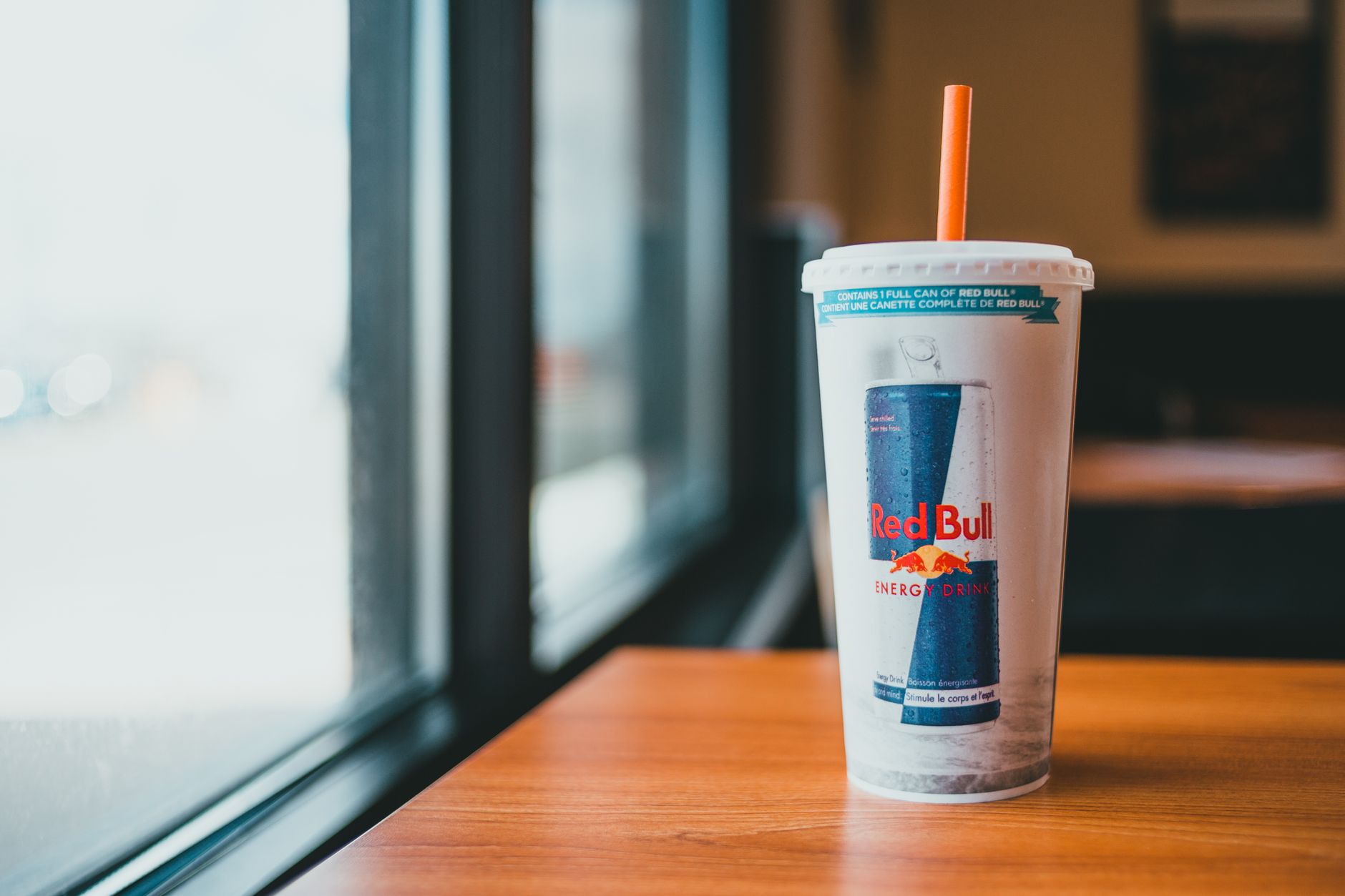
Photo by Erik Mclean

Michael Harper is a Senior Content Strategist at MarketInsider.co, a premier source for insights on digital marketing and business trends. With over 15 years of expertise in content development and strategic communications, Michael is renowned for his ability to craft compelling narratives that resonate with diverse audiences. He holds a Bachelor’s degree in Journalism from New York University and a Master’s degree in Business Administration from Columbia Business School. Outside of work, Michael is passionate about historical literature and enjoys hiking the trails of the Pacific Northwest.