Direct-to-Consumer Industry Logo Design Ideas
In the rapidly evolving world of the Direct-to-Consumer (DTC) industry, a striking logo is more than just a visual mark; it’s a brand’s identity incarnate. A well-crafted logo not only stands out on a shelf or a screen but also invites consumer connection, fostering loyalty and recognition. Let’s explore the essence of DTC logo design, examining its unique requirements and how you can create a logo that truly reflects your brand.
Understanding the Direct-To-Consumer (DTC) Landscape
The DTC model disrupts traditional retail by connecting brands directly with consumers, creating a unique branding landscape. Companies can bypass middlemen, leading to lower prices and personalized service. This customer-centric approach demands logos that resonate deeply with target audiences.
Key Characteristics of DTC Industry Logos
Logos in the DTC space should be bold, authentic, and memorable. Whether you’re selling beauty products, home goods, or gourmet snacks, your logo must capture the essence of your brand in a way that speaks directly to your audience.
- Simplicity – The best logos are often the simplest. A clean design can enhance recognition and recall.
- Relevance – Choose elements that reflect your brand values and mission.
- Uniqueness – Ensure your logo stands out in a crowded market.
Importance of Logo in DTC Branding
A powerful logo serves as the cornerstone of brand identity. This visual representation sets the tone for everything from packaging to advertising. Additionally, a strong logo helps build customer loyalty. When consumers feel a connection to a brand, they are more likely to return.
Logo Design Principles for DTC Brands
Crafting an effective DTC logo involves adhering to key design principles. Here’s how you can transform your ideas into a compelling visual statement.
Simplicity and Memorability
The first rule of thumb is simplicity. A clear, uncluttered logo improves recognition. Think about iconic logos like Nike's swoosh or Apple’s apple – both are straightforward yet striking. When your logo is easily recognizable, you're more likely to stick in consumers' minds.
Color Psychology in Logo Design
Colors evoke emotions and can significantly influence consumer perception. For instance, blue often conveys professionalism and trust, while green relates to health and wellness. When designing your logo, choose colors that align with your brand personality and values.
Typography that Speaks to Consumers
Font choice is equally important. The right typography can communicate your brand’s voice. A playful font might suit a children’s toy brand, while a sleek, sans-serif typeface would appeal to a tech-savvy audience. Ensure readability across various mediums by testing your font choices.
Creative Ideation Techniques for DTC Logos
How do you brainstorm effective logo ideas? Here are a few techniques to spark your creativity.
Using Mood Boards for Inspiration
Mood boards are fantastic for collecting visual inspiration. Gather images, colors, and typography that resonate with your brand. This visual compilation can direct your creative process, helping you refine your ideas into a cohesive concept.
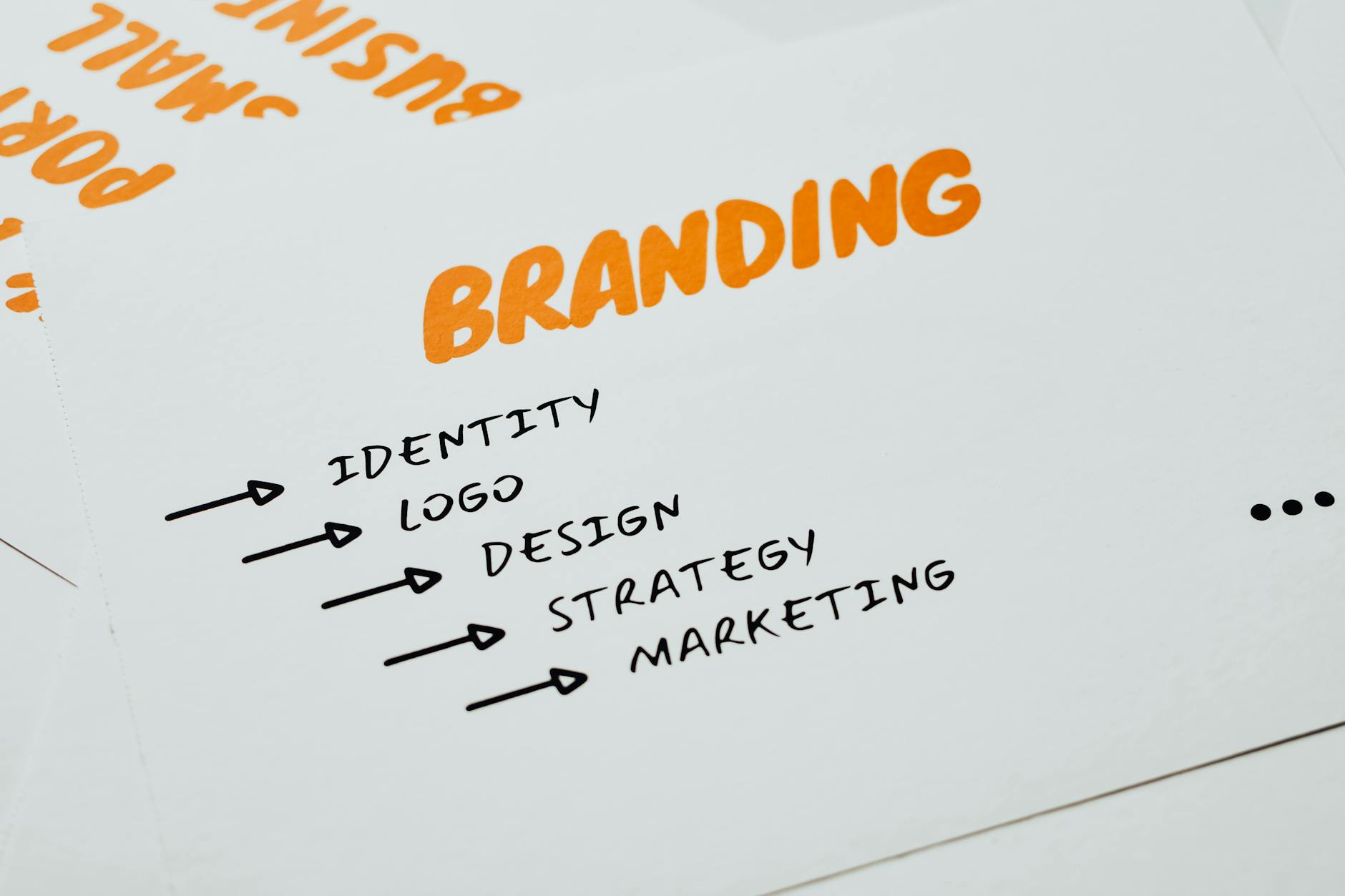
Photo by Eva Bronzini
Incorporating Brand Values in Design
Always align your logo design with your brand’s core values. For instance, if sustainability is a primary focus, consider earthy tones and natural elements in your logo. This not only attracts like-minded consumers but also strengthens your brand’s authenticity.
Researching Competitors for Unique Ideas
Analyzing competitors can unveil gaps in the market. Look at what they’re doing well and identify areas for improvement. This research can inspire fresh ideas while ensuring your logo stands out.
Successful Case Studies in DTC Logo Design
To illustrate effective logo design, let’s review two successful DTC brands and their logos.
Brand Case Study: Glossier
Glossier’s logo is a simple yet effective representation of its beauty brand. The soft, minimalist design reflects a modern aesthetic that appeals to its largely millennial audience. By keeping the focus on simplicity, Glossier has created a logo that’s easily recognized and perfectly aligns with its product offerings.
Brand Case Study: Warby Parker
Warby Parker’s logo seamlessly conveys sophistication and accessibility, capturing the brand's aim to provide stylish eyewear at an affordable price. The sleek font and bold yet subtle color choices inspire trust and confidence, resonating well with the brand's target demographic.
Practical Tips for Creating Your DTC Logo
Equipped with insights, let’s discuss actionable steps for designing your logo.
Using Logo Maker Shop for Easy Design
Don't stress about the design process. Leverage the capabilities of the Logo Maker Shop, where you can create your logo in minutes. With user-friendly features, the platform allows you to experiment with styles, fonts, and colors suitable for your DTC brand. It's a resource that simplifies the logo-making process, saving you time and ensuring a professional look.
Testing Your Logo Across Mediums
Before finalizing your logo, test how it appears in various formats, from business cards to online ads. A logo that looks great on a computer might not translate well to a mobile screen. Evaluate its impact in different contexts to ensure consistency and effectiveness across platforms.
Conclusion
Understanding the nuances of logo design in the Direct-to-Consumer industry is crucial for building a successful brand. By adhering to the principles outlined and exploring creative inspiration, you can craft a logo that not only captures your brand essence but also resonates with consumers.
Call to Action
Ready to bring your DTC brand to life? Explore the tools available at the Logo Maker Shop and start applying these insights today. Your ideal logo is just a click away!

Michael Harper is a Senior Content Strategist at MarketInsider.co, a premier source for insights on digital marketing and business trends. With over 15 years of expertise in content development and strategic communications, Michael is renowned for his ability to craft compelling narratives that resonate with diverse audiences. He holds a Bachelor’s degree in Journalism from New York University and a Master’s degree in Business Administration from Columbia Business School. Outside of work, Michael is passionate about historical literature and enjoys hiking the trails of the Pacific Northwest.