Dining Furniture Industry Logo Design Ideas
In the competitive dining furniture industry, your logo serves as the face of your brand. It's often the first impression potential customers have, making it essential to get it right. A well-designed logo not only encapsulates your brand identity but also communicates the quality and craftsmanship of your products. Let’s explore the key elements and ideas that can help you create a striking logo for your dining furniture business.
Key Characteristics of Dining Furniture Industry Logos
Crafting a logo that resonates within this unique niche requires attention to specific characteristics. These elements play a pivotal role in ensuring your logo effectively captures your brand’s essence.
Simplicity and Elegance
A simple yet elegant logo allows for immediate recognition and creates a lasting impression. It should embody the sophistication of your brand while avoiding clutter. Consider how logos from successful dining furniture brands present a clean design that communicates their values without overstating them. The elegance found in simplicity means your logo will remain timeless, enhancing its longevity.
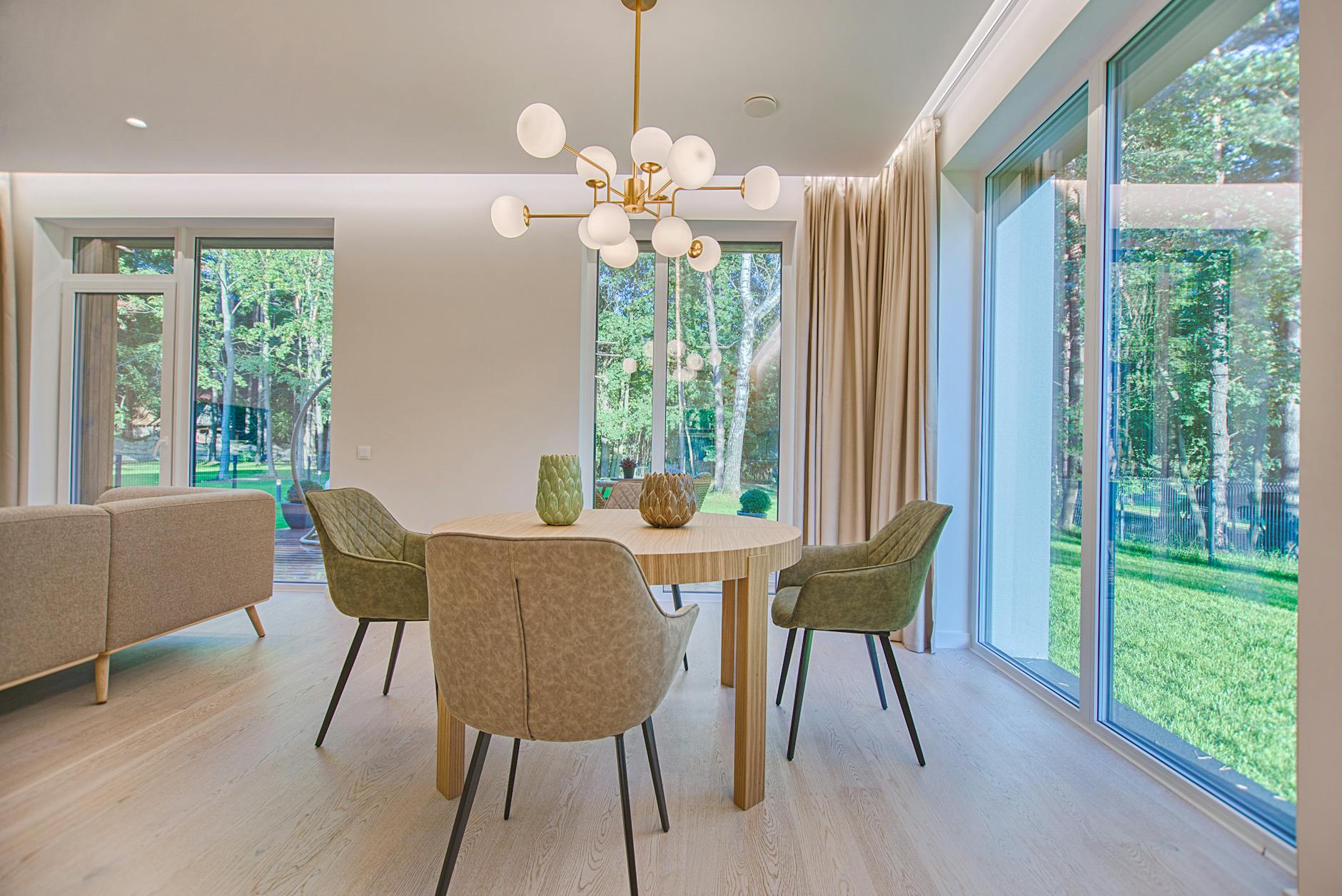
Photo by Vecislavas Popa
Representation of Craftsmanship
Your logo should reflect the craftsmanship inherent in your furniture pieces. Consider incorporating elements that symbolize the artistry behind your products, such as wood grain patterns or simple tools associated with the creation of fine furniture. This not only highlights the quality but also builds trust with potential customers.
Color Psychology in Dining Furniture Logos
Colors evoke emotions, and in the dining furniture sector, specific colors can enhance perception of your brand. Earthy tones like browns and greens can express warmth and reliability, while lighter shades may convey modernity and freshness. Selecting the right colors is crucial to communicating the right message about your brand’s identity.
Design Principles for Effective Logos
When diving into logo design, following known design principles can help streamline the process. Here are practical tips to help you achieve an exceptional logo.
Understanding Your Brand Identity
Before you start designing, take a moment to define your brand’s mission and values. Ask yourself: what sets your brand apart? Knowing your unique selling points can provide inspiration for logo elements that resonate with your audience.
Incorporating Unique Elements
Differentiate your logo from competitors by integrating unique elements that speak to your brand’s identity. These could be symbolic icons that have personal significance or distinctive geometric shapes that echo your design aesthetic.
Typography Choices
Font selection can dramatically influence the perception of your brand. A sleek, modern font might convey a sense of luxury, whereas a more rustic typeface can highlight a traditional or handcrafted approach. Always ensure the font aligns with your overall brand narrative.
Versatility and Scalability
Your logo should be versatile enough to work across various media, from business cards to billboards. Ensure it looks good in both color and black & white formats. Consider how it will appear at different sizes to maintain clarity and impact.
Logo Ideation Techniques
Generating innovative logo ideas can be challenging. Here are some approaches to help kick-start your creativity.
Researching Competitors
Start by analyzing logos from competing brands. Identify what works well and what doesn't. This can help you find gaps in the market that allow you to create something unique. Look for inspiration in their successes and failures.
Using Mood Boards for Inspiration
Creating a mood board can be a fun way to visualize your ideas. Gather images, colors, and fonts that resonate with your vision. This collection of visuals can act as a compass, guiding you toward your desired logo design.
Sketching and Prototyping
Before moving to digital design, sketch out your ideas on paper. This can lead to unexpected ideas and allow you to play around with different designs without the constraints of digital tools. Once you’ve narrowed down your best ideas, you can digitize and refine them.
Trends in Dining Furniture Logo Design
Staying updated on design trends can inspire modern and appealing logos. Here are a few trends to watch out for:
Minimalism and Flat Design
In recent years, minimalism has gained popularity. Flat design strips logos of unnecessary embellishments, allowing for cleaner lines and a contemporary look. This trend can help your logo speak for itself through its simplicity.
Sustainable and Eco-friendly Imagery
Sustainability is increasingly important to consumers. Integrating eco-friendly imagery can convey a commitment to environmentally conscious practices, resonating with modern audiences. Consider symbols like leaves or recycled materials that can subtly reinforce your brand's eco-friendly approach.
Incorporating Nature Elements
Bringing elements of nature into your logo design can create a warm and inviting image. Whether it’s using wood textures or natural motifs, these elements can enhance the connection customers feel with your brand and your products.
Conclusion
Thoughtful logo design plays a vital role in the dining furniture industry. It’s more than just a graphic; it's an embodiment of your brand's identity and values. As you embark on your logo creation journey, remember to leverage the tools available at the Logo Maker Shop to craft a logo that truly represents your business. With the right design principles and creative strategies, you’ll be well on your way to establishing a memorable brand identity that resonates with your target audience.

Michael Harper is a Senior Content Strategist at MarketInsider.co, a premier source for insights on digital marketing and business trends. With over 15 years of expertise in content development and strategic communications, Michael is renowned for his ability to craft compelling narratives that resonate with diverse audiences. He holds a Bachelor’s degree in Journalism from New York University and a Master’s degree in Business Administration from Columbia Business School. Outside of work, Michael is passionate about historical literature and enjoys hiking the trails of the Pacific Northwest.