Digital Communications Industry Logo Design Ideas
In the vibrant world of digital communications, a logo serves as more than just a symbol; it's the heart of your brand identity. As this industry continues to evolve, understanding how to design a logo that effectively represents your business becomes increasingly important. A strong logo can communicate your brand's values and connect you with your audience in a meaningful way.
Key Characteristics of Digital Communications Logos
An effective logo in the digital communications industry shares several key traits that help in establishing a compelling brand presence.
Simplicity and Modernity
Modern logo design thrives on simplicity. A clutter-free logo conveys clarity, making it easy for viewers to understand your brand at a glance. Think about industry giants: Google, Facebook, and Twitter all utilize simple designs that are instantly recognizable. These logos are not just easy to remember; they're also easily versatile for various applications, from websites to social media profiles.
Color Psychology
Colors evoke emotions and perceptions. For digital communications, consider using colors that inspire trust and innovation. Blues often represent reliability and professionalism, while greens can symbolize growth and harmony. When designing your logo, think about the feelings you want your audience to associate with your brand. Harnessing color psychology can significantly influence brand perception.
Symbolism and Imagery
Incorporating relevant symbols can enhance your logo's message. For example, chat bubbles, network nodes, or stylized connections can immediately convey the essence of communication and connectivity. It's like visual shorthand that speaks volumes about what your brand represents. Always ensure your imagery aligns closely with your core message.
Typography Choices
The font you select can say a lot about your brand's personality. A modern sans-serif typeface may suggest forward-thinking innovation, while a playful font can evoke friendliness and approachability. Ensure that your typography complements the overall design while remaining legible across all platforms. Remember, readability is vital, especially in the fast-paced online environment.
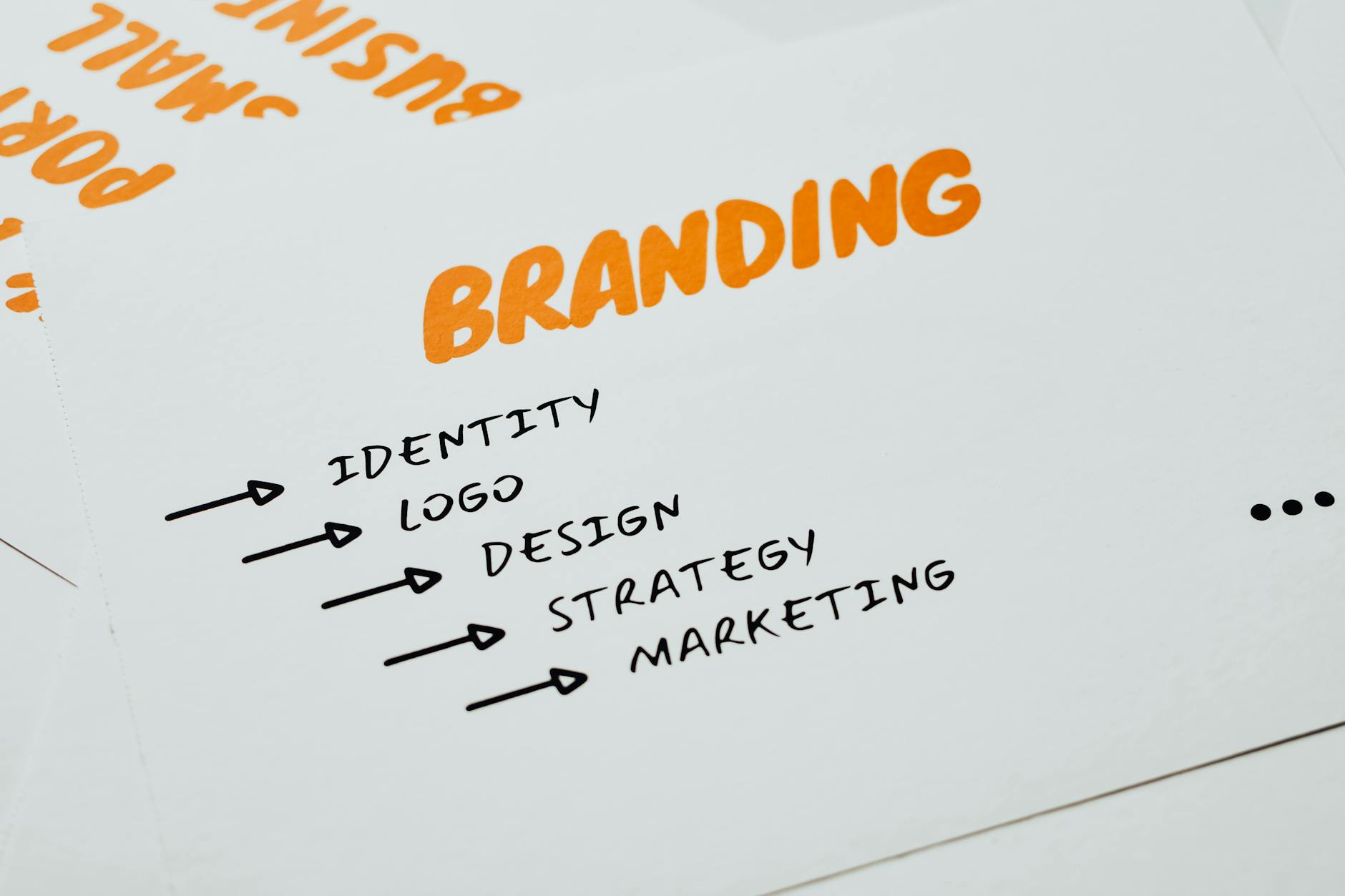 Photo by Eva Bronzini
Ideation Techniques for Logo Design
Creating a memorable logo requires thoughtful planning and brainstorming. Here are some actionable strategies to help you get started.
Research and Inspiration
Begin your journey by exploring the competition. Identify what works in your field while also recognizing what sets your brand apart. Dive into current trends and gather visual ideas to inspire your creativity. Use platforms like Pinterest or design blogs for additional inspiration.
Sketching Concepts
Start with rough sketches as a way to unleash your creativity. Doodling various ideas allows you to explore design possibilities without the pressure of perfection. Keep the sketches simple—focus on forms and layouts that capture your brand essence.
Utilizing Online Tools
The Logo Maker Shop simplifies the design process, allowing you to create a logo in mere minutes. This online tool offers a range of templates tailored to various industries, including digital communications. You can customize elements like color, shape, and typography to ensure your logo is unique.
For a detailed guide on using the Logo Maker Shop, check out this resource.
Successful Case Studies in Digital Communications Logo Design
Learning from standout examples in the industry helps illuminate effective design principles.
Case Study: Facebook
Facebook’s logo showcases effective simplicity. The lowercase ‘f’ in blue is not only minimalistic but represents connection and friendliness. This logo reflects the company's core mission of connecting people globally.
Case Study: Slack
Slack's logo is a vibrant representation of collaboration. The colorful 'S' symbol incorporates elements that depict communication and teamwork. The overlapping shapes symbolize connectivity and integration—perfect for a platform designed to enhance workplace collaboration.
Case Study: Zoom
Zoom’s logo maintains a straightforward blue box with a stylized camera lens, embodying virtual connectivity. This design is not only memorable but also effectively resonates with its primary service offering: online meetings.
Current Trends in Logo Design for Digital Communications
Staying abreast of contemporary design trends is vital for creating a relevant logo.
Minimalism
Minimalistic designs continue to dominate, focusing on essential features. Not only do they make a striking impact, but they also enhance brand recognition. The less-is-more approach fosters easy recall, as seen with brands like Apple and Twitter.
Dynamic Logos
Dynamic logos are gaining traction by allowing brands to adapt their logos based on context or platforms. They present versatility, making the brand perception feel fresh and modern. This trend enables companies to reflect current events or seasonal themes while remaining identifiable to their audience.
Practical Tips for Creating a Unique Logo
Here are some best practices to ensure your logo design is both effective and original.
Iterative Design Process
Don’t be afraid to revisit and refine your logo concepts. Gathering feedback—whether from peers, designers, or your target audience—can uncover valuable insights that enhance your design.
Testing for Versatility
Always test how your logo functions across various formats and mediums. It should look great on everything from business cards to websites. A versatile logo ensures brand consistency and recognition, no matter where it’s seen.
Conclusion
An effective logo in the digital communications industry is more than just a visual marker; it encapsulates your brand's values, message, and identity. By applying the insights shared here, you can create a logo that not only stands out but also resonates with your audience. Take the plunge, explore your creativity, and leverage tools like the Logo Maker Shop to embark on your logo creation journey today!

Michael Harper is a Senior Content Strategist at MarketInsider.co, a premier source for insights on digital marketing and business trends. With over 15 years of expertise in content development and strategic communications, Michael is renowned for his ability to craft compelling narratives that resonate with diverse audiences. He holds a Bachelor’s degree in Journalism from New York University and a Master’s degree in Business Administration from Columbia Business School. Outside of work, Michael is passionate about historical literature and enjoys hiking the trails of the Pacific Northwest.