Digital Arts Showcase Event Logo Design Ideas
In the world of digital arts showcases, a compelling logo is more than just a visual symbol—it's the heartbeat of your event. It encapsulates your theme, sets the tone, and communicates your brand identity. A well-designed logo can draw audiences in, excite participants, and convey what your event is all about. With art at its core, the logo becomes the canvas upon which your event's story is painted. Below, you’ll find insightful guidance on creating impactful logos specifically tailored for digital arts showcase events.
Key Characteristics of Effective Logos for Digital Arts Showcases
Creating a logo that resonates with your audience requires attention to several essential elements. Here, we'll break down the key characteristics that make an effective logo for digital arts showcases.
Simplicity and Clarity
Less is often more. A logo should be simple enough to be easily recognizable yet clear enough to convey the event's purpose. A cluttered design can confuse potential attendees. Think of iconic logos that are instantly identifiable—the Nike Swoosh or the Apple silhouette. Their strength lies in their simplicity, allowing them to convey a message swiftly and effectively. When you prioritize simplicity, your logo can easily adapt across various media, from web to print.
Memorable Design Elements
Your logo should incorporate unique elements that linger in the audience's minds. This could be an unusual graphic, a striking combination of shapes, or a clever play on negative space. For example, the FedEx logo cleverly utilizes negative space to create an arrow between the 'E' and the 'x', subtly implying speed and precision. Memorable logos are often those that evoke emotions or thoughts, so think creatively and let your imagination flow.
Color Schemes and Trends
Color choice can significantly impact how your logo is perceived. Vibrant colors might invoke excitement, while muted colors could suggest sophistication. For digital arts showcases, consider exploring trending color palettes popular in the design community. Bold contrasts often work well here, lending themselves to a vibrant aesthetic that speaks to creativity. Research current trends on platforms like Pinterest for inspiration.
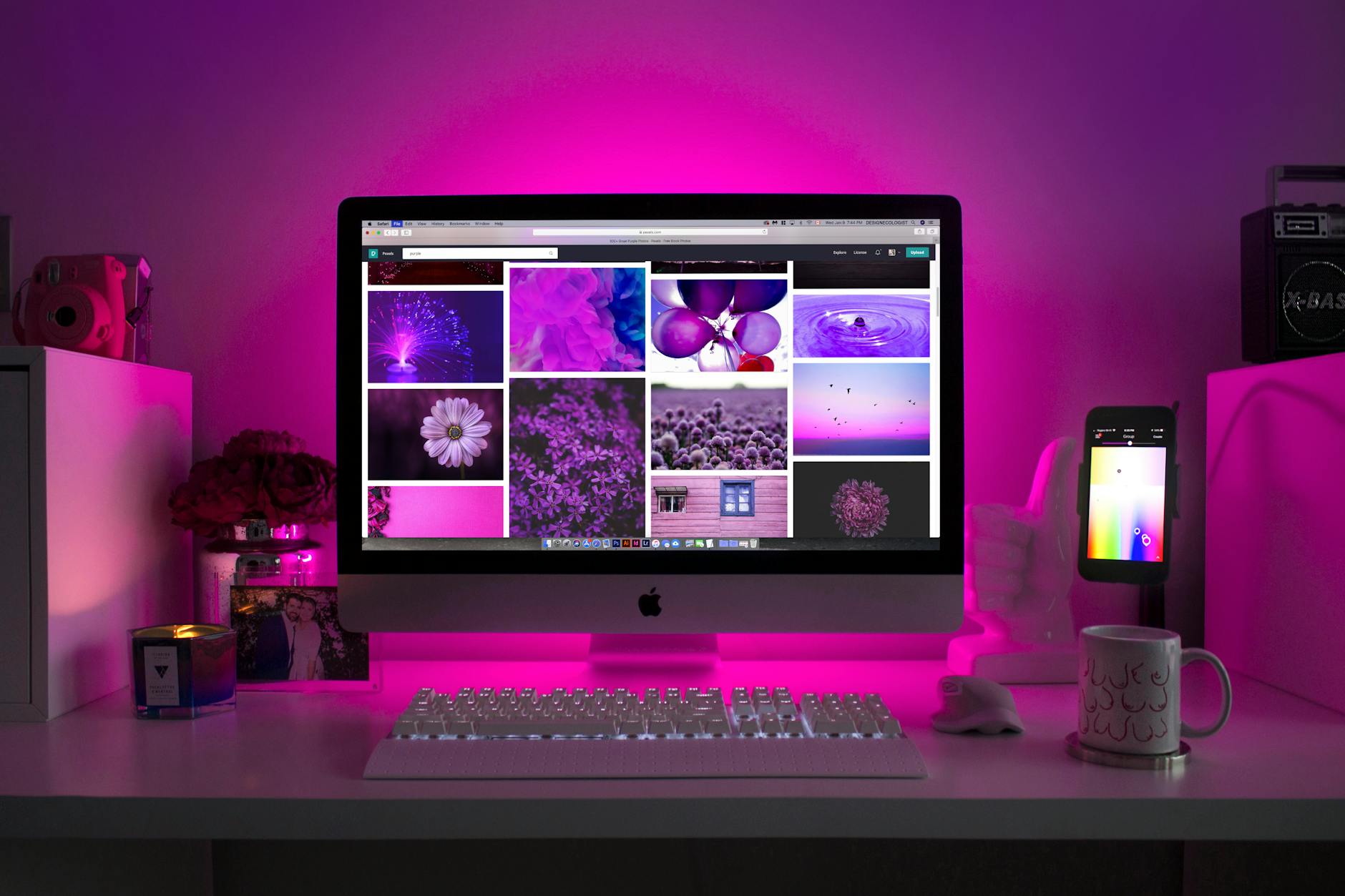
Photo by Designecologist
Typography Choices
The typography you select can dramatically affect your logo's clarity and recognition. Whether you choose a bold typeface that commands attention or a sleek, modern font, the key is to ensure it matches the event's tone. For instance, a playful font might work for a children’s art showcase, whereas a clean, elegant font could enhance a high-end digital exhibition. Combining typography with graphic elements can also create a cohesive look.
Ideation Techniques for Logo Design
Once you understand the key characteristics of effective logos, it's time to brainstorm ideas. Here are some actionable techniques to get your creative juices flowing.
Research and Inspiration Gathering
Inspiration can come from various sources, so start by exploring existing logos from past events. Look for designs that resonate with you—what elements catch your eye? Websites like Logo Maker Shop and design-focused platforms can help you gather visual inspiration. Pay attention to industry-specific examples that reflect the essence of a digital arts showcase.
Sketching and Concept Development
With your research in hand, grab a sketchpad and let your ideas flow. Don’t rush through this process; spend time exploring different concepts based on insights gathered. Think about how shapes, colors, and typography can combine to form a unique representation of your event. The more concepts you sketch, the clearer your vision becomes.
Feedback and Iteration
Don’t shy away from sharing your drafts with others. Seeking feedback is crucial in refining your design. Ask colleagues or trusted friends for their thoughts on what resonates and what doesn’t. Iteration based on constructive criticism can lead to breakthroughs you might not have considered. Remember, even the most famous logos went through multiple iterations before arriving at their final form.
Case Studies of Successful Event Logos
Looking at successful logos from past digital arts showcases can ignite your creativity and offer insights into effective design choices.
Analyzing Design Choices
Take, for example, the logo of the "Adobe MAX" event. Its bold graphic elements paired with a clean typeface effectively communicate innovation and creativity. The strategic use of space creates an impression of depth, reflecting the multi-dimensional nature of digital art. Analyze such logos to understand the principles behind their success.
Lessons Learned from Successful Logos
One key takeaway from these case studies is the importance of aligning your logo with your audience's expectations. A logo should not just be aesthetically pleasing, but also contextually appropriate. For instance, a logo featuring sleek lines and cutting-edge graphics would likely appeal to tech-savvy audiences engaging with contemporary art.
Practical Tips for Designing Your Logo
Ready to start designing? Here are some practical tips that can guide you as you embark on this creative journey.
Using Logo Maker Shop for Creation
Creating a unique logo has never been easier with the Logo Maker Shop. This online tool allows you to design your logo in a matter of minutes with user-friendly features. With thousands of templates at your disposal, you can explore various styles until you find the perfect fit for your digital arts showcase.
DIY vs. Hiring Professionals
Deciding between creating your logo and hiring a professional often depends on your budget and timeline. DIY approaches offer flexibility and cost savings, but working with a designer might yield a polished and strategic outcome. Don't overlook freelancers who specialize in logo design for help if you opt for the professional route.
Conclusion and Call to Action
Designing a logo for a digital arts showcase is both an art and a science. By focusing on key characteristics of effective logos, utilizing ideation techniques, and learning from successful examples, you can craft a logo that not only looks great but also resonates with your audience. As you dive into this creative process, remember to explore the Logo Maker Shop for tools that can help bring your vision to life. Start your logo design journey today—your event deserves a captivating identity that captures attention and inspires engagement!

Michael Harper is a Senior Content Strategist at MarketInsider.co, a premier source for insights on digital marketing and business trends. With over 15 years of expertise in content development and strategic communications, Michael is renowned for his ability to craft compelling narratives that resonate with diverse audiences. He holds a Bachelor’s degree in Journalism from New York University and a Master’s degree in Business Administration from Columbia Business School. Outside of work, Michael is passionate about historical literature and enjoys hiking the trails of the Pacific Northwest.