Cultural Awareness Style Logo Design Ideas
Creating a logo that resonates with a diverse audience is crucial in today's global market. A logo acts as a visual representation of your brand, instantly communicating your values and identity to potential customers. This demands a deep understanding of cultural nuances and an avoidance of unintentional misinterpretations. Designing culturally aware logos requires careful consideration of colors, symbols, and imagery. This guide will equip you with the knowledge to create logos that not only reflect cultural sensitivity, but also effectively represent your brand across various cultures. This guide will focus on how to create logos that work in different cultures, leveraging the Logo Maker Shop's tools and resources. We'll examine key design principles and illustrate how to design logos that are both unique and culturally mindful.
Understanding Cultural Nuances in Logo Design
Understanding the diverse interpretations of colors, symbols, and imagery is key to creating culturally conscious logos. Thorough research is essential. Avoid potentially offensive misunderstandings by genuinely researching different cultures. Think about how different cultures perceive colors, symbols, and imagery. Consider how these elements can influence the message conveyed by your logo. For instance, colors like red often symbolize luck and good fortune in many Asian cultures, but are associated with danger and caution in some Western cultures. Recognizing these differences can help you craft logos that resonate with a global audience.
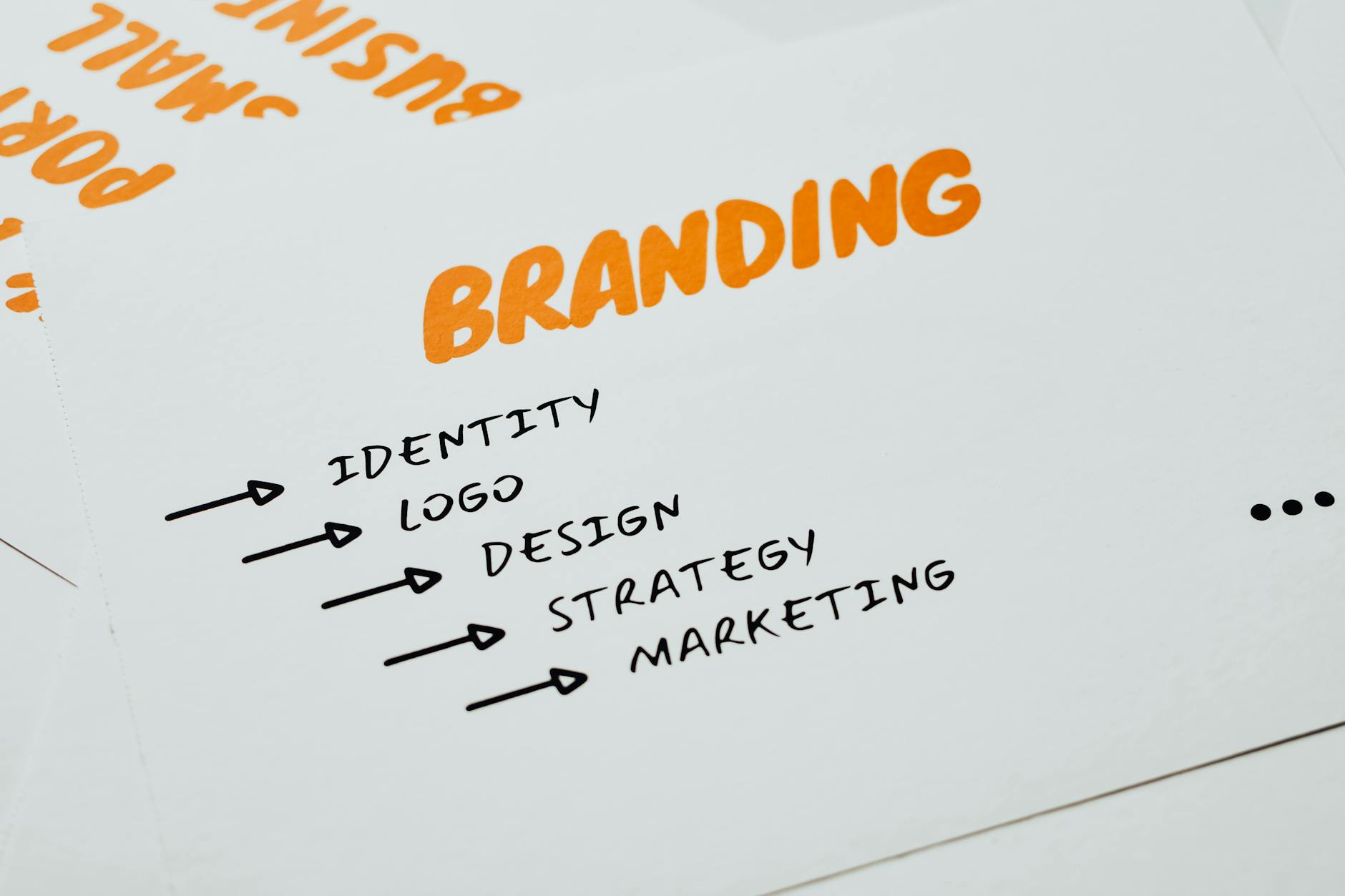 Photo by Eva Bronzini (https://www.pexels.com/@eva-bronzini)
Color Symbolism Across Cultures
Colors hold different meanings in various cultures. Understanding this symbolism is critical for effective logo design. For example, blue is often associated with calmness and trust in Western cultures, but it can represent mourning in some Eastern cultures. Using colors wisely within the context of a specific culture can significantly enhance the effectiveness of your logo. Consider utilizing the Logo Maker Shop's resources for a deeper understanding of cultural color symbolism.
Exploring Cultural Imagery and Symbols
Cultural imagery and symbols can dramatically impact the message conveyed by your logo. Understanding these nuances will enable you to design logos that feel unique and resonate with a diverse audience. For instance, the lotus flower holds profound spiritual significance in many Eastern cultures. Consider carefully how you incorporate these elements into your logo design.
Avoiding Cultural Appropriation in Logo Design
Avoid unintentionally appropriating cultural elements. Ensure that you're not misrepresenting or misinterpreting cultural symbolism, which can lead to offense and damage to your brand. Cultural appropriation is a significant concern in logo design. Respect cultural norms and values when creating logos that reflect inclusivity. Using images or symbols from another culture without understanding their true meaning can easily lead to unintended negative perceptions. Being culturally sensitive is vital to creating effective logos that appeal to a diverse audience. The Logo Maker Shop's blog offers practical advice on navigating this complex issue. https://blog.boon.so/how-to-create-logos-with-logo-maker-shop/
Logo Design Trends Reflecting Cultural Awareness
Current trends showcase companies embracing cultural awareness in their logo design. Logos are increasingly designed to reflect cultural diversity and inclusivity. This trend is more than a passing fad; it is a meaningful shift towards building brands that respect the rich tapestry of cultures. These brands demonstrate cultural sensitivity by including elements or styles reflective of particular groups.
Designing Logos for Specific Cultural Contexts
Designing logos for specific cultures needs careful consideration. Logos designed for diverse markets need to be thoughtful and responsive. Consider the cultural context when developing a logo and how it might convey your brand message appropriately to diverse markets. Think about how different industries may utilize culturally sensitive designs. Use appropriate symbols and imagery in your logo design, ensuring they are understood and interpreted correctly within the targeted cultural contexts. The Logo Maker Shop offers a plethora of resources to help you understand the best approaches for designing effective logos that resonate across different cultures.
Creating Unique and Memorable Logos
Logos should be both memorable and unique, while simultaneously acknowledging cultural sensitivities. Consider the emotional impact of your logo design. A logo needs to be distinctive and reflect the specific brand personality. The Logo Maker Shop provides creative techniques and strategies for crafting logos that are both unique and culturally aware.
Practical Tips for Creating Cultural Awareness Logos
Before beginning your logo design journey, research different cultures, understand color symbolism, and use appropriate imagery. Think carefully about avoiding cultural appropriation. Respect cultural boundaries and ensure that your logo design is mindful of diverse interpretations and representations.
Conclusion
Creating culturally aware logos is essential for businesses in today's diverse marketplace. By embracing cultural sensitivity, you're not just designing a logo; you're building a brand that resonates with a broad range of audiences. This process involves understanding cultural nuances, avoiding cultural appropriation, and creating logos that reflect respect and inclusivity. Remember the Logo Maker Shop's tools and resources to guide you through this process. These are practical steps towards designing logos that are not only beautiful but also culturally relevant and effective. By following these steps, you can design logos that are successful across multiple cultures. Utilize the Logo Maker Shop's resources to design a logo that resonates with your target audience.

Michael Harper is a Senior Content Strategist at MarketInsider.co, a premier source for insights on digital marketing and business trends. With over 15 years of expertise in content development and strategic communications, Michael is renowned for his ability to craft compelling narratives that resonate with diverse audiences. He holds a Bachelor’s degree in Journalism from New York University and a Master’s degree in Business Administration from Columbia Business School. Outside of work, Michael is passionate about historical literature and enjoys hiking the trails of the Pacific Northwest.