Children's Literature Conference Event Logo Design Ideas
For any event, and especially one focused on children's literature, a well-designed logo serves as a vital cornerstone of branding. A logo is often the first impression attendees will have, capturing the essence of the conference while appealing to the interests of parents and young readers alike. Focusing on creativity, fun, and imagination is crucial, given the nature of the audience. This article explores unique considerations and actionable insights to guide you in crafting an effective logo for your children's literature conference.
Understanding the Unique Characteristics of Children's Literature Conference Logos
Creating a logo for a children's literature conference requires a blend of artistry, psychology, and strategic thinking. Here are key characteristics to consider:
Color Psychology in Children's Logos
Colors can evoke emotions and set the tone for your brand. A children's literature conference should use bright, engaging colors that speak to both children and their parents. Think of vibrant blues for trust, sunny yellows for happiness, and lively greens for growth. These colors stimulate a child’s imagination, capturing their interest immediately. When selecting your colors, remember to consider color blindness as well.
Imagery and Iconography
Whimsical characters, open books, and playful elements form the backbone of effective designs. For instance, incorporating stories—like a dragon or a fairy—can transport viewers into the world of literature. Think about designs that can connect a child's love of stories with the visual aspect of your logo. Aim for imagery that is both relatable and imaginative.
Typography Choices
Fonts designed specially for children can amplify engagement. Choose playful and legible fonts that spark curiosity and enchant young readers. Rounded, friendly fonts can convey a sense of approachability and warmth. Ensure the text complements the visual elements without overwhelming them.
Simplicity and Memorability
A simple and memorable logo is essential for children's events. Attendees should easily recognize the logo from various formats: posters, flyers, and online materials. The best designs capture attention at a glance. Aim for a design that is uncomplicated but striking enough to leave a lasting impression.
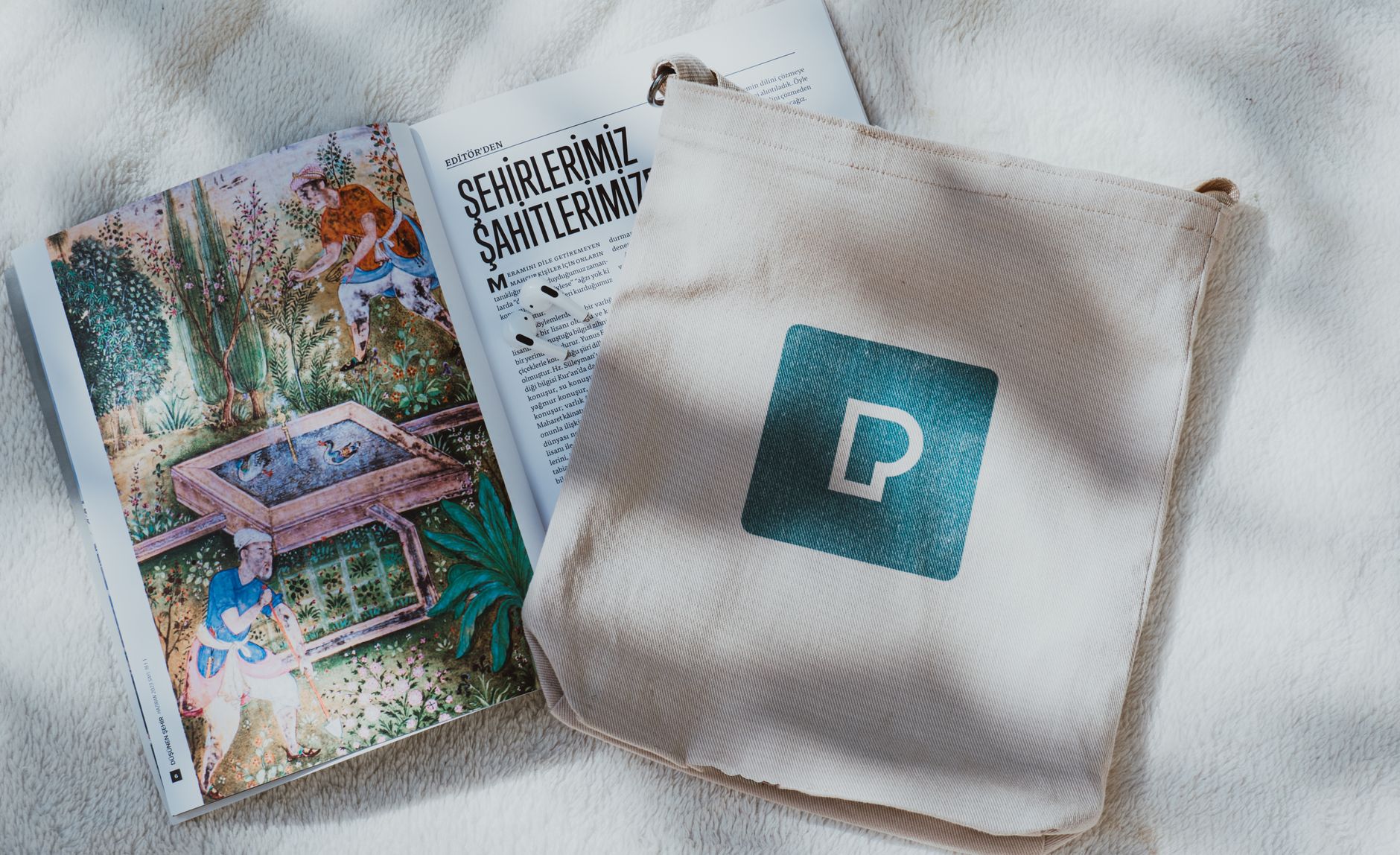
Photo by thecactusena
Ideation Techniques for Logo Development
Creating an impactful logo involves a dynamic ideation process. Here are techniques that can streamline your creative journey:
Brainstorming Sessions
Gather your team and encourage brainstorming sessions. These collaborative meetings can ignite fresh ideas and unique perspectives. Use visual aids like mood boards to amplify creativity. Encourage participants to contribute without judgment; even the craziest ideas can pave the way for brilliance.
Utilizing Thumbnails and Sketches
Sketching ideas rapidly can reveal concepts you might overlook. Don't hesitate to create multiple thumbnails for each primary idea. These quick drafts can help you visualize different styles or combinations that might resonate well with your audience.
Feedback Loops
Gathering feedback during design stages is invaluable. Reach out to parents and educators to gain insights into what works and what doesn’t. Listen to their suggestions, as they can provide a clearer understanding of your target audience's preferences.
Inspiring Case Studies and Trends
Exploring successful logos from previous events can offer inspiration and guidance for your design approach.
Successful Logo Examples
Look at logos from effective children's literature conferences. For instance, a logo that captures the visual charm of an open book, with delightful illustrations popping out, can fully represent the essence of storytelling. Analyze elements such as color, shape, and font choices to draw insights.
Current Design Trends
Minimalism is trending across the design world, including children's literature. A clean, uncluttered design can often communicate more effectively than a busy one. Additionally, hand-drawn aesthetics make logos feel more personal and relatable. Eco-friendly designs are on the rise; consider using natural, earthy colors or images to reflect a commitment to sustainability and education about the environment.
Practical Tips for Logo Creation
When using the Logo Maker Shop to design your logo, consider these straightforward tips for success:
Using the Logo Maker Shop Effectively
The Logo Maker Shop offers user-friendly tools that make creating professional logos accessible. Start by browsing through templates tailored specifically for children's events. Choose elements that resonate with your vision, and customize them to fit your conference's theme seamlessly.
Incorporating Unique Elements
Don’t shy away from adding personalized touches that represent your conference's goals. Does your event focus on promoting diversity in children's literature? Include diverse characters or cultural elements in your logo to amplify this focus.
Conclusion
In summary, a well-crafted logo for a children's literature conference can significantly enhance branding and attract attendees. By focusing on color psychology, playful imagery, thoughtful typography, and simplicity, you'll create a logo that resonates with families and children alike. Utilize ideation techniques like brainstorming and feedback loops to cultivate innovative ideas, and draw inspiration from successful past events.
Ready to dive into logo design? Visit the Logo Maker Shop to start crafting your unique conference logo today!

Michael Harper is a Senior Content Strategist at MarketInsider.co, a premier source for insights on digital marketing and business trends. With over 15 years of expertise in content development and strategic communications, Michael is renowned for his ability to craft compelling narratives that resonate with diverse audiences. He holds a Bachelor’s degree in Journalism from New York University and a Master’s degree in Business Administration from Columbia Business School. Outside of work, Michael is passionate about historical literature and enjoys hiking the trails of the Pacific Northwest.