Children's E-Book Industry Logo Design Ideas
In the blossoming field of children's e-books, a captivating logo can be a vital element in capturing young readers' attention and appealing to their parents. A logo sets the tone for what a child can expect from its pages, acting as a visual entry point to a world of imagination and knowledge. This article explores killer logo design ideas tailored specifically for the children's e-book industry, helping you create a visual identity that resonates.
Defining Characteristics of Effective Children's E-Book Logos
Creating a logo for a children's e-book involves understanding its unique characteristics. Let’s break down the essential design elements that make children's e-book logos stand out.
Color and Vibrancy
Colors play a significant role in attracting children. Bright and playful hues like yellows, reds, and blues can evoke emotions and make them feel excited about reading. Consider how these colors can reflect the joy and adventure found within the e-book. They should not just appeal to kids but also convey a warm feeling to parents, reassuring them that the content is engaging and safe.
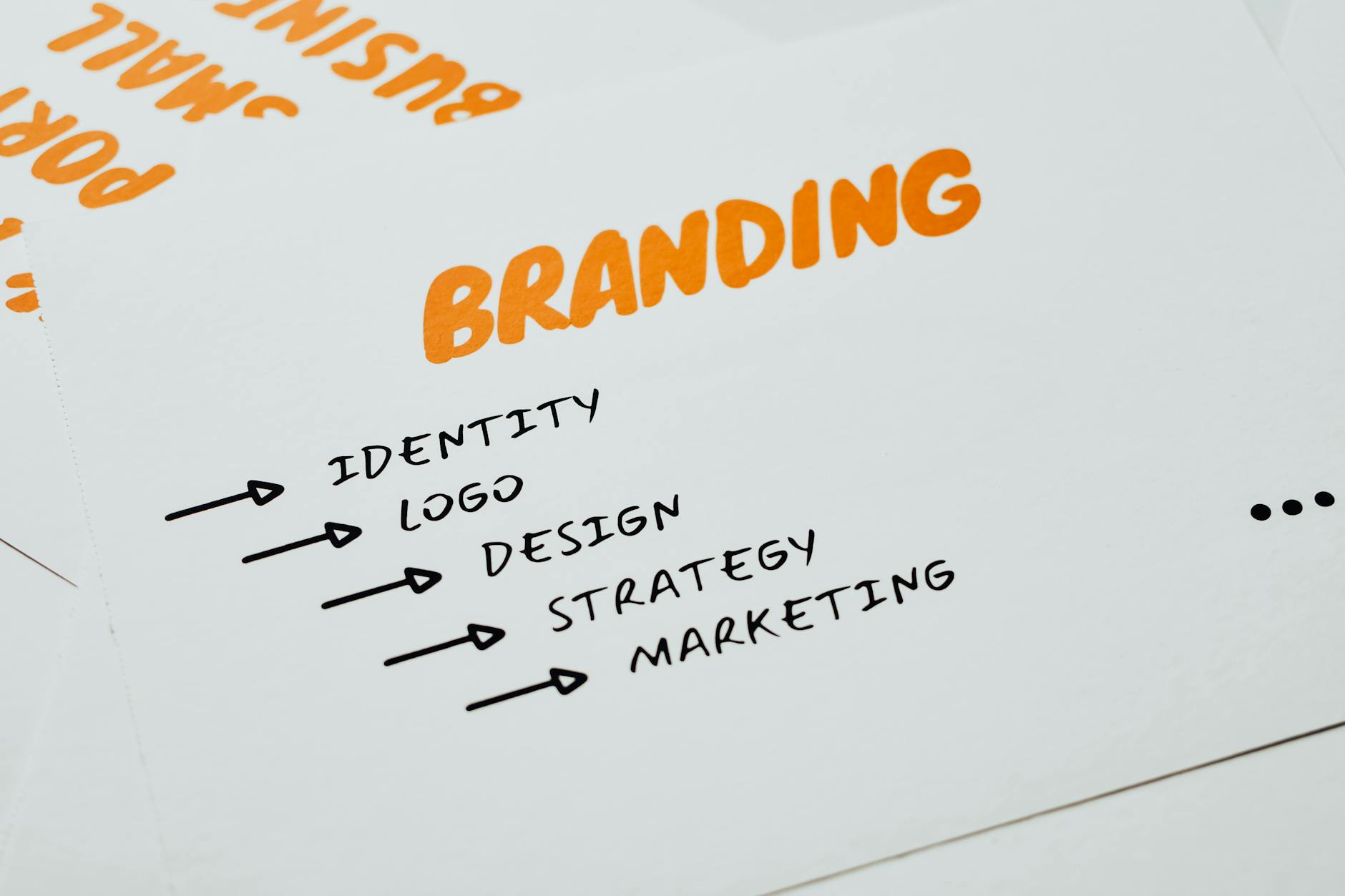
Photo by Eva Bronzini
Imagery and Symbolism
Relatable imagery is crucial in connecting with children. Think about using animals, whimsical characters, or enchanting objects that reflect the themes of your e-book. For example, if the story involves adventures in space, a playful spaceship or star could be incorporated. Such symbols not only attract children’s attention but also make the logo memorable.
Typography Choices
Your choice of font can enhance the logo's overall appeal. Using whimsical and fun fonts can instantly make your logo more inviting to children. Think of playful letters that dance across the design. However, ensure that the typography remains readable; after all, clarity is important.
Simplicity and Clarity
A good logo should be simple yet impactful. A design that is too busy may confuse young readers or parents. Keep the design clean and straightforward, making it easily recognizable. A logo that is less cluttered will translate better across various platforms, whether on an e-reader or a webpage.
Relevance to Content
Your logo should reflect the themes of the e-book it represents. If the story is about fairy-tale adventures, the logo might feature castles or magical creatures. By aligning the logo with your content, you let parents and children know what type of experience the book offers.
Ideation Techniques for Logo Design
Now that you know the defining characteristics, let's explore actionable techniques to help generate logo ideas specific to the children's e-book industry.
Brainstorming Sessions
Gather your team for brainstorming sessions. Encourage free thought, letting ideas flow without judgment. Write down whatever comes to mind, whether it’s about color palettes, symbols, or typography. This collaborative process can foster creative breakthroughs that lead to a unique logo.
Mood Boards and Visual References
Creating mood boards is a valuable exercise. Compile images, color palettes, and fonts that inspire the logo design. This can help convey the desired aesthetic and feel. You can gather material from online resources or even books you admire. Having all your inspiration in one place can guide the design process significantly.
Collaboration with Graphic Designers
Working alongside professional graphic designers can bring your ideas to life. Look for designers who specialize in children's branding. They can provide insights into what appeals to kids and the current design trends in the industry. Their expertise can be valuable in making sure your logo stands out.
Feedback from Target Audience
Don’t shy away from seeking feedback from your target audience—children and their parents. Conduct informal surveys or focus groups to gather reactions to your logo concepts. Their insights can guide you towards creating a design that resonates with your audience.
Trends in Children's E-Book Logo Design
Staying informed about design trends can greatly enhance your logo's appeal.
Playful Illustrative Styles
One of the leading trends is towards playful and illustrative logo designs. Logos that evoke a sense of fun and whimsy can create a direct emotional connection with children. Consider playful characters drawn in a cartoonish style, as they can serve not only as logos but also as potential protagonists in your stories.
Integration of Technology Themes
As e-books are digital, integrating technological elements into your logo can reflect modernity. Think about using images of tablets or e-readers subtly blended into the design. This will not only be relevant but can also resonate with tech-savvy parents.
Eco-friendliness and Sustainability
With a growing societal focus on sustainability, incorporating eco-friendly themes into children's book logos is becoming increasingly common. Consider using earthy colors or symbols like leaves or trees. This can reflect a commitment to environmental awareness and make your brand more attractive to parents who value sustainability.
Inspiring Case Studies in Children's E-Book Logos
Looking at successful examples can provide valuable insights into effective logo design.
Case Study: 'The Very Hungry Caterpillar'
This logo does an amazing job of encapsulating the essence of the story. The design is simple yet instantly recognizable, featuring a caterpillar that resonates with both children and parents. Its bright colors and child-like illustration create an inviting feeling, making it a powerful symbol of exploration and learning.
Case Study: 'Harry Potter' E-Book Edition
The logo for the e-book edition of Harry Potter is another great example. It builds on the brand's legacy while appealing to a new generation of readers. Elements like the iconic lightning bolt and magical font capture the essence of the story and create a sense of nostalgia for parents.
Practical Tips for Designing Your Logo
Here are some practical tips for creating your logo.
Utilizing Logo Maker Shop Tools
For an amazing starting point, explore the tools available at Logo Maker Shop. Their user-friendly interface is designed to help you create a professional-looking logo in just minutes. With everything from fonts to icons at your fingertips, you'll find it easy to develop a standout design.
Testing Versatility Across Formats
As you design your logo, test its versatility across different formats, like social media, print, and digital. A logo should remain recognizable whether it’s on a small mobile screen or a larger webpage. This will ensure that your branding stays consistent and effective.
Keeping Current with Design Trends
Staying updated on design trends can keep your logo fresh and relevant. Regularly brows websites focused on design inspiration and read articles discussing emerging trends in children's e-book branding. This knowledge can help you create a logo that feels current and engaging.
Conclusion and Next Steps
In conclusion, designing a logo for the children's e-book industry involves understanding key design principles and trends that specifically appeal to young readers and their parents. By focusing on vibrant colors, relatable imagery, and simplicity, you can create an impactful logo that embodies the spirit of fun and adventure in reading.
As you begin your design journey, utilize resources such as Logo Maker Shop and keep your audience in mind. Take the insights gathered here, brainstorm creatively, and experiment with different concepts. Your journey to create a captivating children's e-book logo starts now—embrace the adventure!

Michael Harper is a Senior Content Strategist at MarketInsider.co, a premier source for insights on digital marketing and business trends. With over 15 years of expertise in content development and strategic communications, Michael is renowned for his ability to craft compelling narratives that resonate with diverse audiences. He holds a Bachelor’s degree in Journalism from New York University and a Master’s degree in Business Administration from Columbia Business School. Outside of work, Michael is passionate about historical literature and enjoys hiking the trails of the Pacific Northwest.