Child Care Services Industry Logo Design Ideas
In the world of child care services, a logo is much more than just a symbol; it's a vital part of your brand identity. A well-designed logo conveys trust, safety, and warmth, elements critical to attracting parents and guardians. It can significantly impact how your business is perceived and sets the tone for your services. So, how can you create a logo that resonates with your target audience? Let’s explore some key characteristics and strategies to design an effective logo for the child care services industry.
Key Characteristics of Effective Child Care Logos
Creating a logo that stands out requires understanding the essential elements that define successful designs within the child care sector.
Simplicity and Clarity
When it comes to logos, simplicity is key. A straightforward design communicates your message effectively. Think of it this way: if a child can recognize your logo, you’re on the right track. Avoid clutter and instead focus on a clean look that presents your brand clearly.
Playfulness and Approachability
Child care is all about fostering a nurturing environment. Your logo should reflect this. Incorporate playful elements that evoke a friendly and welcoming image. Consider using rounded shapes or whimsical characters that children resonate with, creating a sense of comfort and familiarity.
Use of Color Psychology
Colors evoke emotions, which is crucial in the child care industry. Soft blues can instill a sense of trust and safety, greens may symbolize growth and harmony, and yellows can evoke feelings of happiness. Understanding color psychology can help you make strategic choices that align with your brand values.
Incorporation of Child-Centric Imagery
Logos featuring child-related imagery—such as toys, animals, or nature themes—can capture the essence of your services effectively. For instance, a logo with playful animals or colorful blocks can immediately convey that your focus is on children.
Typography Choices
Font selection is incredibly significant in logo design. The typeface should align with your brand personality. Fun, quirky fonts may resonate well for a daycare setting, while something more professional could be better for a family-oriented preschool. Choose a font that’s readable yet reflects your brand’s spirit.
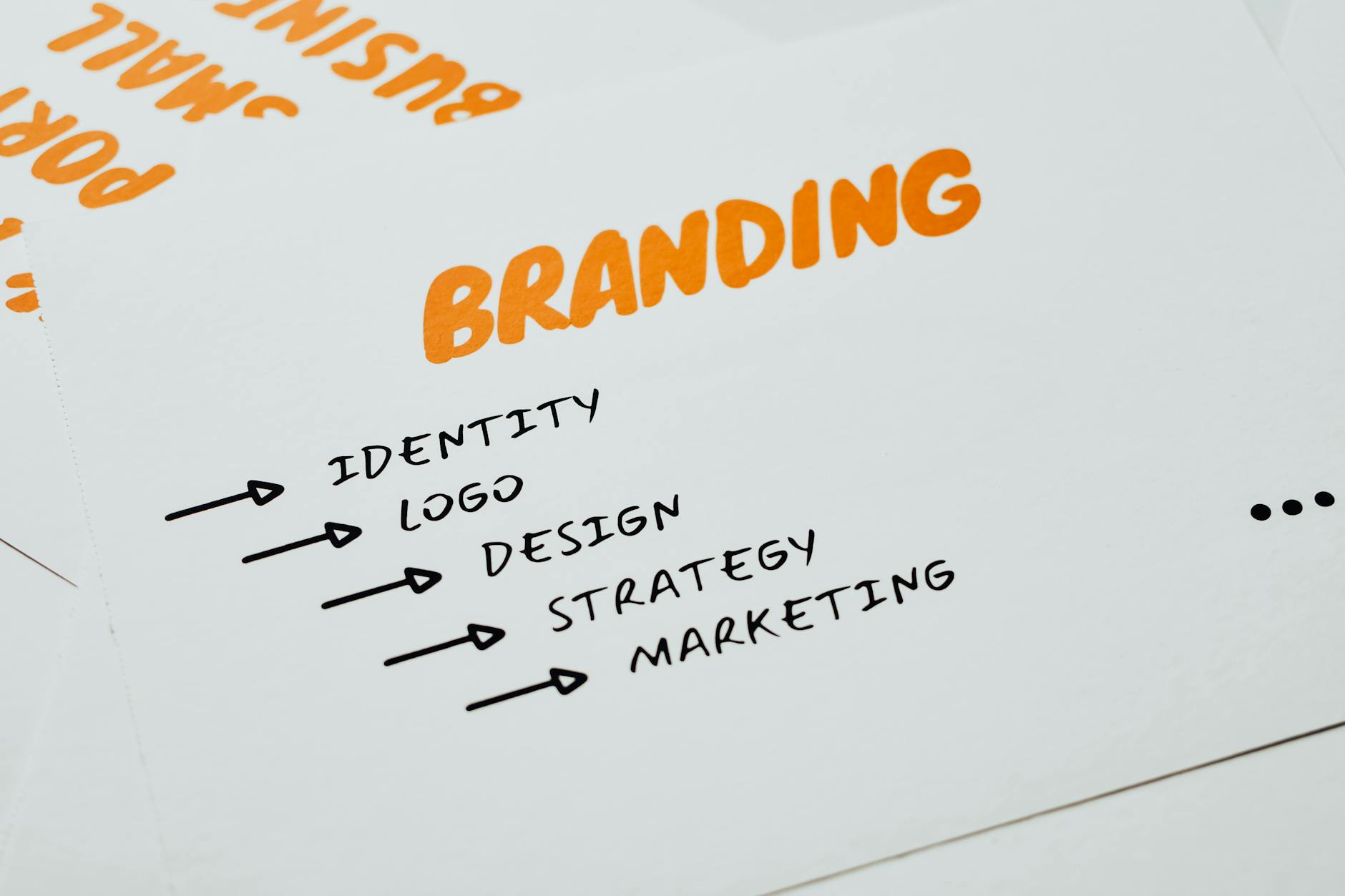
Photo by Eva Bronzini
Ideation Techniques for Logo Design
Let’s break down some practical ideation techniques that can guide you through the logo creation process.
Researching Competitors
Analyzing competitors’ logos can provide inspiration and help you identify trends in the child care sector. What’s working for them, and what isn’t? Look at various designs to pinpoint elements you can incorporate or improve upon for your own brand.
Using Logo Maker Shop Tools
The Logo Maker Shop offers a fantastic array of tools that can assist you in generating and refining logo ideas effortlessly. With this platform, you can explore various templates tailored specifically for child care services and customize them to reflect your unique vision. For a detailed guide, check out How to Create Logos with Logo Maker Shop.
Sketching Out Ideas
Before jumping into digital design, spend time sketching multiple concepts. This exploration encourages creativity and helps you get a feel for different styles. Once you have a few favorites, you can refine them digitally.
Gathering Feedback
Once you’ve created initial designs, share them with peers, potential clients, or even parents. Their feedback is invaluable and can provide insights that you might not have considered. Adjust your logo based on this constructive criticism.
Iterating Designs
Design is an iterative process. Don’t be afraid to tweak your designs based on feedback and new inspirations. Continuous refinement can lead you to an exceptional logo that perfectly encapsulates your brand.
Inspiration from Successful Child Care Logos
Take a closer look at some effective logos in the child care services sector to gather inspiration.
Case Study: XYZ Childcare Solutions
XYZ Childcare Solutions has a logo that incorporates bright colors and whimsical font styles. The logo features a cartoonish sun and a happy child, symbolizing warmth and fun. This design not only reflects their brand values but also appeals directly to both children and parents.
Innovative Techniques from Trendy Designs
Current logo trends emphasize simplicity and flat design. You can incorporate these modern elements into your child care logo—think clean lines, minimalistic shapes, and a few playful accents. This fresh approach can help your business stand out in a crowded marketplace.
Visual Trends to Consider
Consider using modern techniques such as minimalism and geometric shapes. For instance, a logo that combines playful cartoon elements with a clean geometric layout can create a unique and visually appealing identity.
Final Thoughts on Designing Child Care Logos
Creating a logo for your child care services is a significant step toward building your brand identity. It should be unique, relevant, and reflective of the values you wish to convey.
Encouragement to Experiment
Don’t shy away from experimenting with different designs and concepts. Let your creativity flow, and remember that your logo can evolve over time. Embrace this journey of discovery as you find the perfect representation for your services.
In summary, a well-crafted logo plays a critical role in establishing trust and connection with parents and children alike. Keep these design ideas and characteristics in mind, and make the most of tools like the Logo Maker Shop to create something truly special. Your logo is not just a symbol; it's a cornerstone of your brand promise in the child care industry.
By focusing on the key elements of effective design and taking an innovative approach, you can create a logo that not only stands out but also resonates with your target audience. Happy designing!

Michael Harper is a Senior Content Strategist at MarketInsider.co, a premier source for insights on digital marketing and business trends. With over 15 years of expertise in content development and strategic communications, Michael is renowned for his ability to craft compelling narratives that resonate with diverse audiences. He holds a Bachelor’s degree in Journalism from New York University and a Master’s degree in Business Administration from Columbia Business School. Outside of work, Michael is passionate about historical literature and enjoys hiking the trails of the Pacific Northwest.