Charity Run Event Logo Design Ideas
A charity run event is more than just a fundraising effort; it’s a unique opportunity to rally the community and create lasting memories. One of the most effective ways to convey your event's mission and attract participants is through a well-designed logo. This emblem encapsulates the spirit of your event and provides instant recognition, making it a crucial element in promoting your cause. Let's explore how to create a memorable logo for your charity run!
Understanding the Importance of a Charity Run Event Logo
Logos play a vital role in charity events, primarily in establishing brand recognition and fostering emotional connections. A thoughtfully crafted logo can tell your story at a glance, resonating with potential participants. When supporters see your logo, they should feel inspired and motivated to join the cause.
Consider how logos serve as a visual shorthand for your mission. For instance, a logo featuring running shoes or a finish line can instantly convey activity and excitement. The right design can evoke feelings of hope, solidarity, and community—all essential emotions for a charity run.
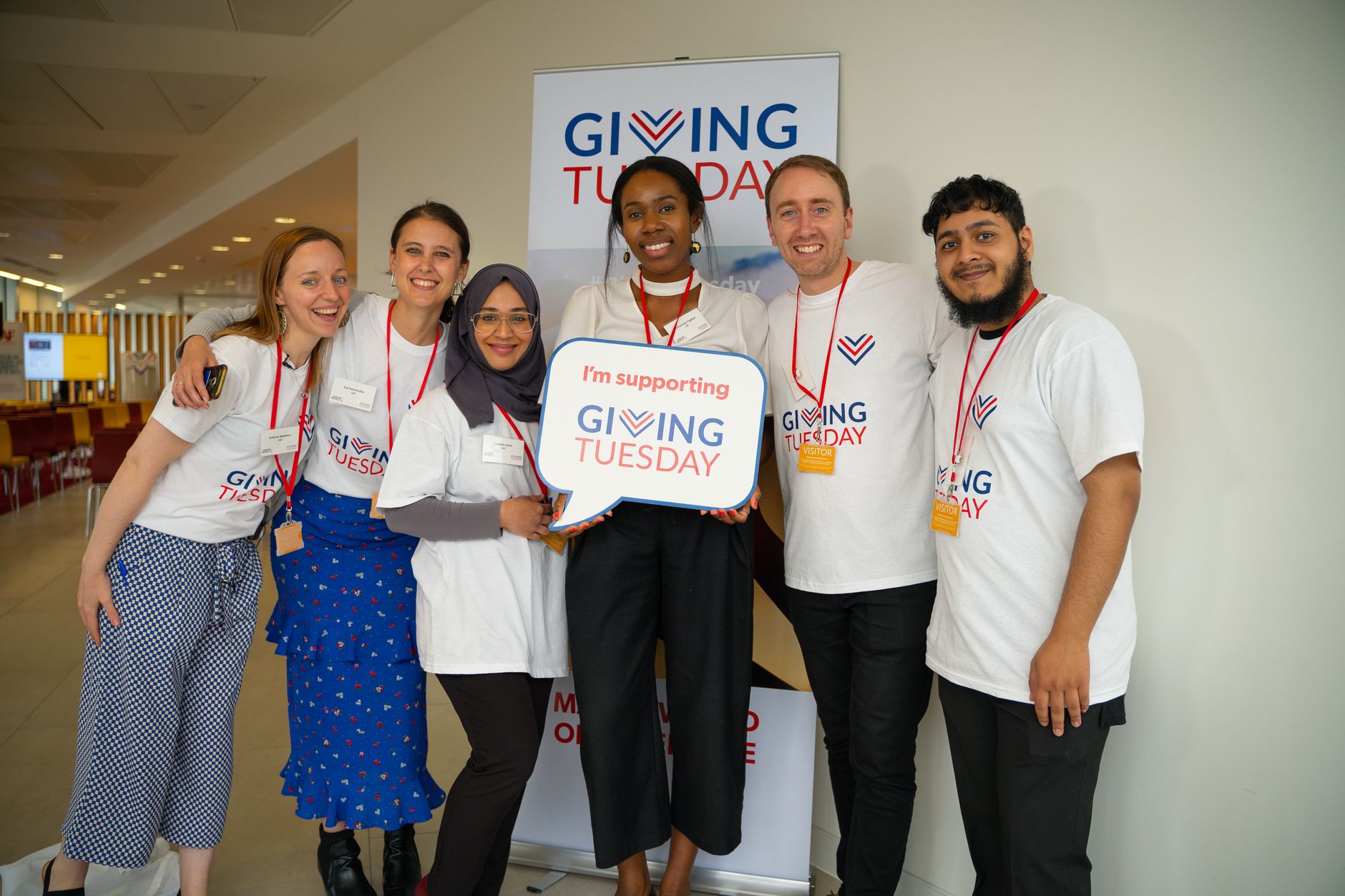
Photo by GivingTuesday
Key Characteristics of Effective Charity Run Logos
An effective charity run logo often shares specific characteristics:
- Simplicity: A clutter-free design makes it easy for your audience to recognize your logo quickly.
- Relevance: The logo should connect with the cause and theme of your charity event.
- Emotional Appeal: Aim for a design that resonates emotionally with the target audience.
These features are crucial because they help create a lasting impression, making your logo memorable and influential.
Elements to Consider in Logo Design
When crafting your charity run logo, consider the following design elements:
Color Theory
Colors evoke emotions and associate your event with specific themes. For instance, green can symbolize health and growth, while blue often represents trust. Choose colors that align with your cause to create an emotional connection with potential participants.
Typography
The font you choose can communicate your event's tone. Bold, athletic fonts work well for running events, while softer scripts might be more appropriate for charitable causes focusing on compassion and care. Make sure your typography is legible across various platforms.
Imagery
Imagery can significantly enhance your logo. Icons such as running shoes, hearts, or symbolic representations of your cause can help convey the essence of your event. Ensure that the imagery is not overly complicated, as simplicity aids recognition.
Ideation Techniques for Logo Development
Developing logo concepts can feel daunting, but breaking down the process can spark creativity.
Using the Logo Maker Shop for Custom Designs
The Logo Maker Shop is an excellent resource for designing logos tailored to your charity run. It offers user-friendly tools that allow for easy customization, enabling you to express your event's unique identity quickly. For a detailed guide on creating logos, check out how to create logos with Logo Maker Shop.
Brainstorming Strategies
Techniques like mind mapping or creating mood boards can enhance your creative process. Gather images, colors, and symbols that inspire you. This visual collage can fuel your imagination and help clarify your logo's direction.
Gathering Feedback for Improvement
Feedback is invaluable in refining your logo concepts. Engage potential participants or members of your organization to share their thoughts. This collaborative approach not only improves the design but also fosters a sense of community around your event.
Visual Inspiration for Charity Run Logos
Inspiration can come from numerous sources.
Trends in Charity Run Logo Designs
Staying updated with current design trends can significantly influence your logo creation. Minimalist designs, vibrant colors, and dynamic shapes are in vogue, which means you can tap into these trends to create an eye-catching logo.
Successful Case Studies
Look at effective charity run logos from previous events and analyze what makes them successful. Many organizations opt for clear and impactful imagery combined with vibrant colors. Identifying patterns in successful designs can provide valuable insights for your creation.
Innovative Techniques in Logo Design
Don't shy away from experimentation. Unique design approaches, such as geometric shapes or unconventional layouts, can help your logo stand out. Pushing the boundaries of traditional design could lead to an impressive final product.
Practical Tips for Designing Charity Run Logos
Once you have a concept, it's time to bring it to life. Here are some practical tips to guide you through the design process.
Color and Typography Choices
Your color choices should reflect energy and compassion, vital elements for charity runs. Pair your colors with effective typography to create an engaging look. The right mix conveys your message clearly and compellingly.
Creating Versatile Designs
Your logo should be versatile enough to work equally well on various platforms—print, digital, or merchandise. Ensure your design maintains its integrity across different sizes and backgrounds so that it stays impactful wherever it appears.
Conclusion
In conclusion, a well-crafted logo is essential for the success of your charity run event. It encapsulates your mission and attracts participants while fostering a connection with your cause. By understanding the key characteristics of effective logos, following ideation techniques, and implementing practical design tips, you can create a memorable emblem for your event. So, gather your ideas, head over to the Logo Maker Shop, and start designing a logo that speaks volumes about your charity run!

Michael Harper is a Senior Content Strategist at MarketInsider.co, a premier source for insights on digital marketing and business trends. With over 15 years of expertise in content development and strategic communications, Michael is renowned for his ability to craft compelling narratives that resonate with diverse audiences. He holds a Bachelor’s degree in Journalism from New York University and a Master’s degree in Business Administration from Columbia Business School. Outside of work, Michael is passionate about historical literature and enjoys hiking the trails of the Pacific Northwest.