Carpet Backing Industry Logo Design Ideas
A professional logo is essential in the carpet backing industry, serving as the face of your brand. A strong logo can reflect quality, craftsmanship, and brand identity, making it an invaluable asset. In a competitive market, how do you ensure your logo stands out?
Let’s dive into some ideas and practical insights that can help inspire unique designs tailored to your business needs.
Defining Characteristics of Carpet Backing Industry Logos
Logos in the carpet backing industry should embody specific characteristics that communicate your business's essence. Here are some key aspects to consider.
Material and Texture Representation
Imagery that reflects textiles or backing materials can significantly enhance your logo. Think of how a woven texture can symbolize durability or plushness, instantly connecting potential customers to the quality they expect. Incorporating these elements can make your logo relatable and authentic.
Color Psychology in Logo Design
Colors play a crucial role in logo design. Earth tones, such as browns and greens, evoke comfort and reliability, aligning perfectly with the warmth carpets bring to a space. On the other hand, vibrant hues can convey energy and modernity. Your color choices should resonate with your target audience's emotions, encouraging them to associate positive feelings with your brand.
Typography Choices
Font selection is equally important. Choose fonts that are both readable and stylish, reflecting your brand's message. A serif font can suggest tradition and reliability, while a sleek sans-serif font might communicate modernity. Whichever style you choose, ensure it aligns with the overall feeling you want your carpet backing brand to convey.
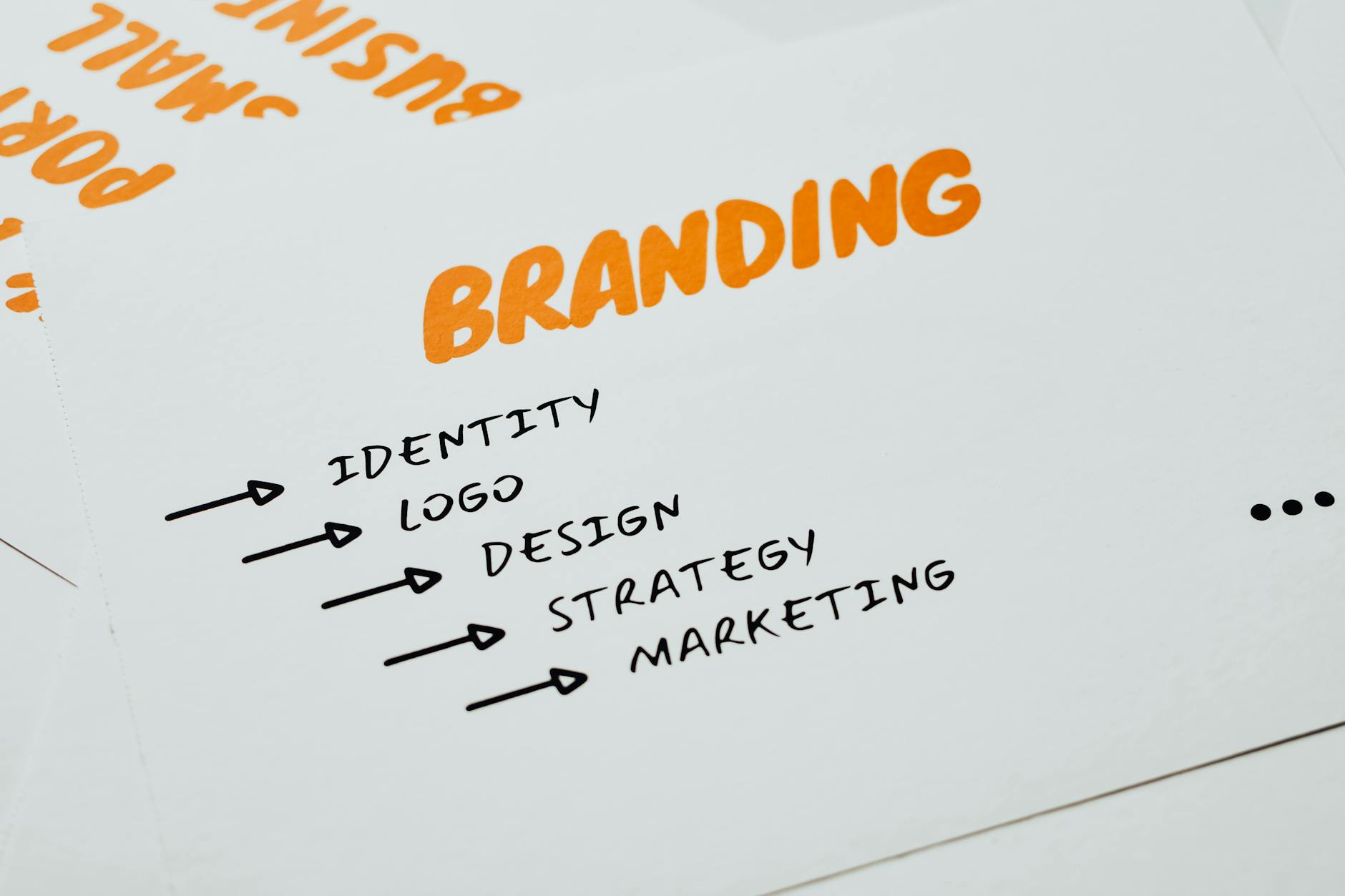
Photo by Eva Bronzini
Ideation Techniques for Logo Design
Creating a logo starts with thoughtful brainstorming. Here are practical methods to help you generate effective logo concepts specific to the carpet backing industry.
Mind Mapping and Sketching
Begin your ideation process with mind mapping. Write down keywords related to your brand and connect them to visual elements. Sketching these concepts can offer a preliminary view of potential designs before moving to digital formats. This hands-on approach often leads to innovative ideas you might not initially consider.
Researching Competitor Logos
Take a look at what your competitors are doing with their logos. Identify design elements that are common in the industry but also seek out gaps where you could differentiate your brand. Understanding the landscape will help you create something unique that stands out.
Utilizing Logo Maker Shop's Resources
Logo Maker Shop offers various tools to generate logo ideas and designs tailored to your needs. Utilizing their resources can streamline your design process, making it easier to create a logo that represents your carpet backing brand effectively. Check out their logo creation resources to get started.
Current Trends in Carpet Backing Logo Design
Stay current by exploring emerging design trends. Here are some trends that can inspire your logo development.
Minimalist Designs
Simplicity is key in modern logo design. Minimalist logos often create a sleek appearance, making them memorable to consumers. By reducing clutter, you allow your brand message to shine through clearly.
Eco-Friendly Aesthetics
As consumers become more environmentally conscious, adopting eco-friendly aesthetics in your design could resonate well. Incorporate natural elements and green color palettes to attract this audience segment. This design choice reflects a commitment to sustainability, enhancing your brand image.
Innovative Use of Shapes
Experimenting with geometric shapes can create a logo that symbolizes stability and quality. Shapes like circles and squares can not only make your logo visually interesting but also convey reliability, which is crucial in the carpet backing industry.
Case Studies of Successful Carpet Backing Logos
Analyzing existing logos can provide valuable insights into effective design strategies. Let’s take a closer look at some successful brands.
Brand A – Analyzing Their Logo Elements
Consider a well-known carpet backing brand that incorporates fibers in their logo design. The fibers symbolize their commitment to quality, while the color scheme evokes a sense of warmth and comfort. This brand successfully combines imagery and color psychology to create an impactful logo.
Brand B – Key Takeaways from Their Design
Another example showcases a brand that uses a clever blend of typography and geometric shapes. The font is bold yet approachable, making it memorable. Their design successfully communicates professionalism while still being relatable to everyday consumers.
Practical Tips for Designing Your Carpet Backing Logo
Now that you understand the fundamentals of effective logo design, here are some actionable tips.
Testing and Gathering Feedback
Before finalizing your logo, gather feedback from your target audience. Conduct surveys or focus groups to understand how your logo resonates with potential customers. This process can unveil crucial insights that help refine your design.
Finalizing Your Logo Design
Once you've gathered feedback, use it to finalize your logo. Make any necessary adjustments to ensure it reflects your brand accurately. Remember, your logo will serve as the face of your company, so it should convey precisely what you want customers to know about you.
Conclusion
An innovative logo design is vital in the carpet backing industry. A well-crafted logo not only establishes your brand identity but also attracts customers. With the right approach and resources from the Logo Maker Shop, you can create a logo that speaks quality and craftsmanship. Start today, and let your logo tell your brand story!

Michael Harper is a Senior Content Strategist at MarketInsider.co, a premier source for insights on digital marketing and business trends. With over 15 years of expertise in content development and strategic communications, Michael is renowned for his ability to craft compelling narratives that resonate with diverse audiences. He holds a Bachelor’s degree in Journalism from New York University and a Master’s degree in Business Administration from Columbia Business School. Outside of work, Michael is passionate about historical literature and enjoys hiking the trails of the Pacific Northwest.