Arts And Crafts Style Logo Design Ideas
Arts and Crafts style logos encapsulate a deep appreciation for craftsmanship and a connection to nature. If you're exploring logo design, this approach provides a rich tapestry of inspiration. Emphasizing handmade aesthetics and unique styles, Arts and Crafts logos can help your brand stand out in a sea of digital sameness.
Key Characteristics of Arts And Crafts Style Logos
In the world of logo design, the Arts and Crafts movement stands out for its distinctive characteristics. Understanding these features can help you create a logo that resonates deeply with your audience.
Emphasis on Handcrafted Elements
One of the defining aspects of Arts and Crafts logos is their focus on handcrafted design. This approach adds authenticity and individuality to your brand. In a time where mass production is the norm, something hand-made evokes a sense of warmth and personal touch. Think of it as inviting your customers into a workshop where every piece is unique and crafted with care.
Natural Materials and Colors
Color plays a pivotal role in Arts and Crafts logos. You’ll often notice earthy tones and natural imagery that mirror the environment. Greens, browns, and soft pastels align beautifully with concepts of sustainability and groundedness. For instance, a logo featuring organic shapes with a palette inspired by forest landscapes can evoke feelings of tranquility and connection to nature.
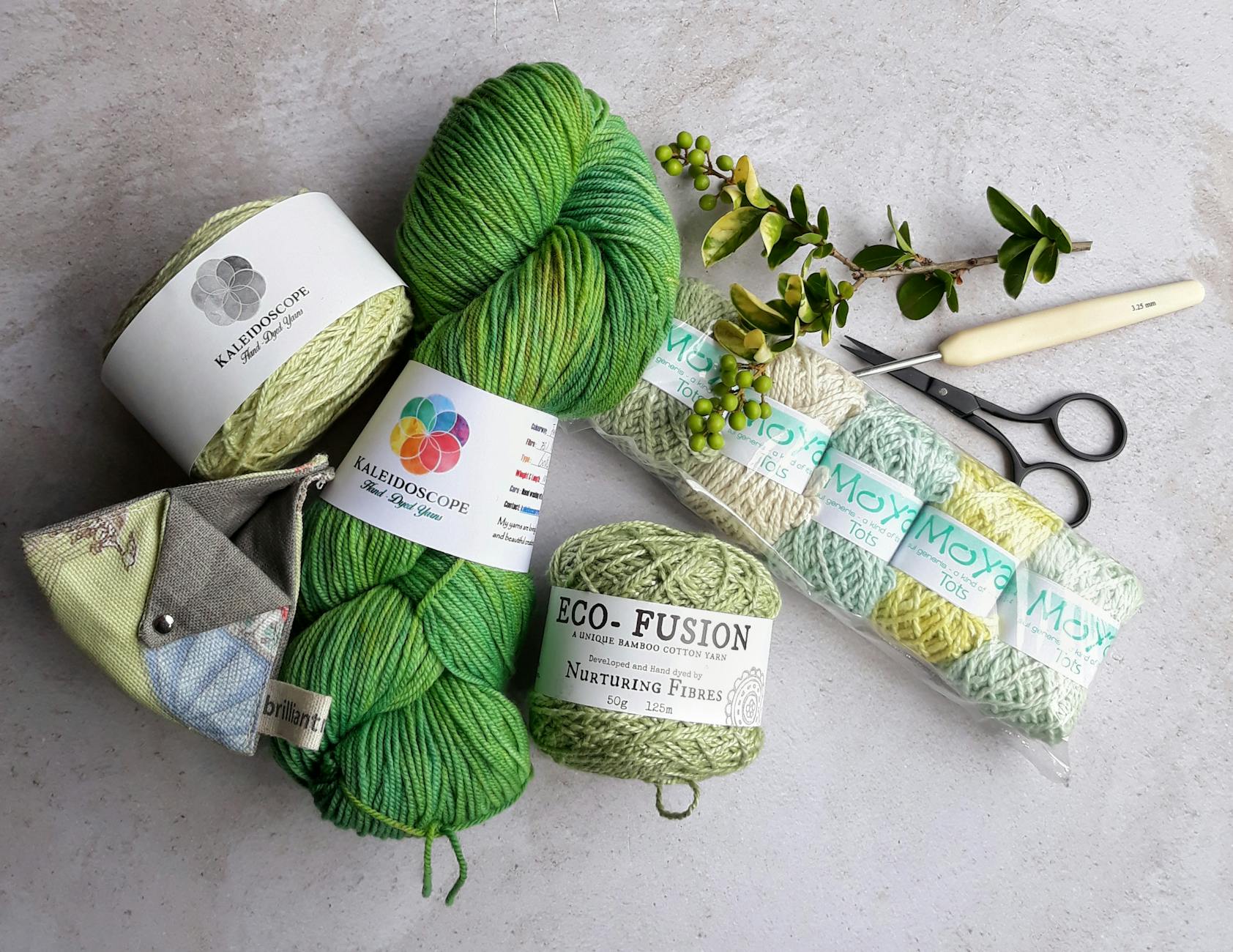
Photo by Surene Palvie
Artistic Typography
Fonts are not merely a way to convey text; they are a significant part of your logo's personality. In Arts and Crafts style, typography often features unique and artistic fonts that capture the essence of the brand. In many cases, this means introducing hand-drawn or serif fonts that add character. Think about how different styles of lettering can invoke various emotions in your audience.
Ideation Techniques for Arts And Crafts Style Logos
Creating a logo in this style requires a thoughtful approach. Here are some techniques to inspire your creative process.
Brainstorming with Nature in Mind
Start by immersing yourself in nature. What do you see around you? Flora and fauna can spark creative ideas. Take a walk in the park, or simply look out of your window. Make notes of shapes, colors, and patterns you encounter. This can steer your design towards organic forms that resonate with Arts and Crafts principles.
Sketching Initial Concepts
Once inspiration strikes, grab a pencil and paper to sketch your ideas. Don't aim for perfection; instead, focus on translating thoughts into visuals. Sketching helps solidify concepts, turning abstract ideas into tangible designs. Remember, your sketches don’t need to be fancy—just let the creativity flow.
Using Symbolism Effectively
Symbols carry weight in design. They can convey a message without words. For an Arts and Crafts logo, choose symbols that reflect your brand's ethos. Whether it’s a leaf symbolizing growth or a handmade tool representing craftsmanship, every element should serve a purpose.
Incorporating Patterns and Textures
Adding texture can elevate your logo from flat to phenomenal. Consider using patterns that reflect natural elements—like wood grains or woven textures—adding depth and interest. Textures can evoke a sensory experience that connects people to your brand on a more personal level.
Successful Case Studies of Arts And Crafts Style Logos
Learning from successful brands can offer valuable insights into effective Arts and Crafts logos.
Brand A: Craftsmanship that Speaks
Consider a brand that embodies craftsmanship through its logo. They might use hand-drawn elements and earthy colors, capturing the spirit of bespoke craftsmanship. Analyzing their design process and choices can highlight what makes their branding resonate with consumers.
Brand B: Innovative Use of Earthy Colors
Another example might be a company in the home decor industry that leverages warm, earthy tones to communicate sustainability and care for nature. By visually aligning their logo with their brand values, they create a powerful and cohesive image that attracts like-minded consumers.
Practical Tips for Designing Arts And Crafts Style Logos
Ready to create your own Arts and Crafts style logo? Here are some actionable strategies.
Choose the Right Logo Maker
Don't overlook the importance of selecting a reliable logo maker. Using Logo Maker Shop can simplify the design process, offering tools that cater specifically to your creative needs. With user-friendly interfaces and customizable options, you’ll find it easy to start crafting unique designs.
Experiment with Different Styles
Don’t be afraid to push boundaries. Experimentation is key in finding the right aesthetic. Play with various design elements—colors, shapes, and typography—until something resonates. Remember that every iteration is a step closer to discovering what truly represents your brand.
Gather Feedback from Peers
Last but not least, seek constructive feedback. Show your concepts to friends, family, or fellow creators. Their insights can help you refine your ideas and identify any potential areas of improvement. Collaboration can spark fresh ideas and help polish your design into something special.
Conclusion
Creating an Arts and Crafts style logo involves understanding key characteristics and applying creative techniques. With a focus on handcrafted elements, organic colors, and artistic typography, your logo can become a strong reflection of your brand's identity. Utilize the skills and resources available, including logo makers like Logo Maker Shop, to bring your vision to life. Embrace your creativity and embark on this exciting journey. Your unique logo is waiting to be designed!

Michael Harper is a Senior Content Strategist at MarketInsider.co, a premier source for insights on digital marketing and business trends. With over 15 years of expertise in content development and strategic communications, Michael is renowned for his ability to craft compelling narratives that resonate with diverse audiences. He holds a Bachelor’s degree in Journalism from New York University and a Master’s degree in Business Administration from Columbia Business School. Outside of work, Michael is passionate about historical literature and enjoys hiking the trails of the Pacific Northwest.