Artisan Minimalism Style Logo Design Ideas
Artisan Minimalism is making waves as a design approach, seamlessly blending simplicity and creativity. It's a style that speaks volumes with less—a perfect fit for small business owners and entrepreneurs who want their brands to shine without unnecessary clutter. This growing trend prioritizes authenticity and handcrafted aesthetics, allowing logos to tell a story while remaining visually appealing. Embracing this style can help your brand create a memorable identity in a crowded marketplace.
Understanding Artisan Minimalism in Logo Design
Artisan Minimalism champions the idea that "less is more." The principles guiding this style emphasize a clean, thoughtful approach to logo creation. Here, each element is carefully considered, ensuring that every line and shape conveys meaning.
Key Characteristics of Artisan Minimalism Style
- Simplicity: The hallmark of this style is a pared-down aesthetic. It strips away excess, leaving only the essentials that represent the brand.
- Clean Lines: Strong geometric shapes and smooth curves create a sense of harmony and balance. The simplicity in design allows for easy recognition and versatility across various mediums.
- Focus on Materiality: Artisan Minimalism often celebrates materials, highlighting textures that evoke a sense of authenticity. Think about how your logo can represent the craftsmanship behind your products or services.
Why Choose Artisan Minimalism?
Opting for an Artisan Minimalism approach in your logo design offers several advantages, especially for artisanal and small businesses:
- Memorable Branding: Simple designs are easier for customers to remember. A well-crafted minimalist logo can stick in the mind, making your brand more recognizable.
- Versatility: Minimalist logos adapt easily across platforms and products, maintaining their impact whether on a business card, website, or storefront.
- Timeless Appeal: The minimalist aesthetic often transcends trends, giving your logo a longer lifespan. This means your branding stays relevant even as design fads come and go.
Practical Tips for Designing Artisan Minimalist Logos
Creating an Artisan Minimalist logo involves more than just luck; it takes careful thought and creativity. Here are some practical tips to guide you on your journey.
Incorporating Unique Materials and Textures
Consider how physical materials can translate into your logo design. Whether you're using hand-drawn elements or focusing on typography that mimics textures, showcasing authenticity can set your brand apart. Think of wood grain or fabric-like details that speak to your craftsmanship.
Choosing the Right Color Palette
Your color palette can profoundly influence the perception of your brand. For Artisan Minimalism, opt for earthy tones. Shades of green, brown, and muted pastels complement the organic feel of this style. These colors evoke nature and warmth, reflecting the handmade essence of your business.
Utilizing Negative Space Effectively
Negative space is a powerful tool in minimalist design. It allows your logo to breathe while creating clever visual effects. By thoughtfully using space around and within your shapes, you can convey depth and meaning without cluttering the design. This approach invites viewers to engage more deeply with your logo, drawing them in to discover its nuances.
Case Studies of Successful Artisan Minimalist Logos
Let's look at some logos that embody the Artisan Minimalism style, serving as inspiration for your design endeavors.
Inspiring Logos from Various Industries
From food to fashion, various sectors have embraced Artisan Minimalism with stunning results:
- Food Industry: Many restaurants and cafes adopt minimalist logos, opting for simple typography paired with organic shapes that hint at their cuisine. For example, a clean logo featuring a single fork or leaf effectively communicates their brand without overwhelming the viewer.
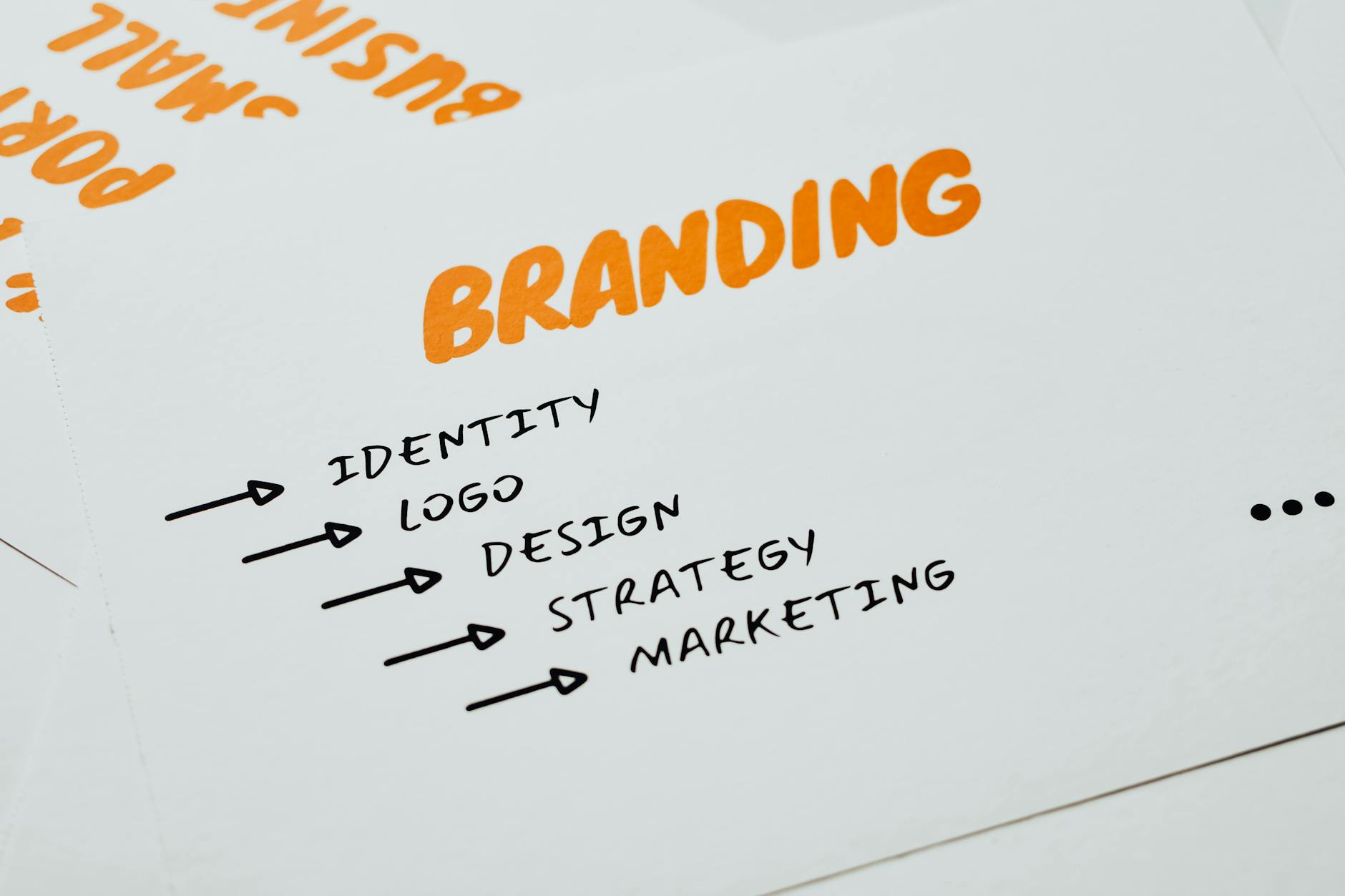
Photo by Eva Bronzini
- Fashion Brands: Minimalist logos can convey luxury and sophistication. Clean lines and bold fonts often create a chic look, making it suitable for high-end fashion labels.
Lessons from Top Artisan Brands
Examining the logos of successful artisan brands can reveal valuable insights. Here are a few takeaways:
- Simplicity Wins: The most effective artisan logos convey their message through simplicity. Focus on clear, concise elements that reflect your brand’s essence.
- Consistency is Key: Ensure that your logo aligns with your overall branding strategy. Every visual touchpoint should resonate with the minimalist aesthetic to create a cohesive brand experience.
Creative Ideation Techniques for Artisan Minimalist Logos
Generating unique ideas can be daunting, but here are some techniques to spark your creativity.
Mind Mapping and Sketching Ideas
Sketching is a highly effective way to visualize your concepts. Begin with a central idea and branch out to explore potential shapes, fonts, and layout styles. This method encourages free thought, allowing you to discover unexpected connections.
Inspiration from Nature and Artisanship
Nature is a treasure trove of design inspiration. Look to organic forms and structures, as they can inspire clean shapes and soothing color palettes. Similarly, explore the craftsmanship of local artisans—their techniques can illuminate new ideas for your logo.
Conclusion
Artisan Minimalism presents a refreshing approach to logo design, merging simplicity with profound meaning. Embracing this style not only enhances your brand's identity but also resonates with consumers who value authenticity and craftsmanship. If you're ready to create your unique artisan logo, harness the tools at the Logo Maker Shop. For more insights on crafting your logo, check out How to Create Logos with Logo Maker Shop to empower your creative journey.

Michael Harper is a Senior Content Strategist at MarketInsider.co, a premier source for insights on digital marketing and business trends. With over 15 years of expertise in content development and strategic communications, Michael is renowned for his ability to craft compelling narratives that resonate with diverse audiences. He holds a Bachelor’s degree in Journalism from New York University and a Master’s degree in Business Administration from Columbia Business School. Outside of work, Michael is passionate about historical literature and enjoys hiking the trails of the Pacific Northwest.