Aging Services Industry Logo Design Ideas
In the aging services industry, a logo serves more than just an aesthetic purpose; it embodies the values and mission of your brand. Effective logo design can enhance your brand identity, making it recognizable and trusted within the community. When it comes to aging services, thoughtful design elements are crucial as they resonate with both clients and their families.
Understanding the Aging Services Industry
The aging services sector caters specifically to an increasingly diverse population of older adults, providing essential support, care, and resources. The landscape includes nursing homes, assisted living facilities, home care services, and even non-profits dedicated to elder advocacy.
This industry is characterized by its emphasis on trust, compassion, and reliability. The clientele often includes not only seniors but also their families who seek care solutions. Therefore, your logo must speak to these varied audiences with clarity and warmth.
Key Characteristics of Aging Services Logos
Logos in the aging services industry typically incorporate qualities such as:
- Warmth: Soft and inviting imagery can foster a welcoming feel.
- Compassion: Symbols that evoke care, like hands or hearts, can resonate deeply.
- Trust: Strong and stable visual elements instill confidence in your brand.
These characteristics are essential in building a logo that represents your brand effectively.
Target Audience and Their Needs
Your target audience consists primarily of seniors and their families. This demographic often values trust, support, and community. Understanding their specific needs—like safety, comfort, and accessibility—can inform your design choices. For a logo to be successful, it should communicate that your brand comprehensively understands and addresses these needs.
Logo Design Principles for Aging Services
Designing a logo for the aging services industry involves adhering to several key principles that ensure your logo is both effective and relatable.
Simplicity and Clarity
A simple design is paramount. A clean logo conveys your message quickly and helps with brand recognition. Think of iconic logos; their simplicity often makes them memorable. Aim for designs that are straightforward and avoid clutter.
Symbolism and Color Choice
Choosing the right colors and symbols is crucial. Soft colors like blue and green can evoke feelings of calm and safety. Symbols of care—such as hands, hearts, or trees—can reflect growth and nurturing, which are essential in the aging sector. Ensure the symbols align with your company’s mission.
Typography Considerations
Font choice is just as important as imagery. Select fonts that are easy to read and evoke a sense of care and professionalism. Avoid overly decorative fonts that may be difficult to decipher, especially for older clients.
Incorporating a Human Element
Consider including human figures or symbols that denote care, community, and support. This adds a personal touch and can make the logo feel more relatable to your audience.

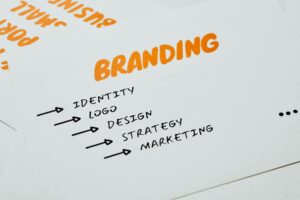
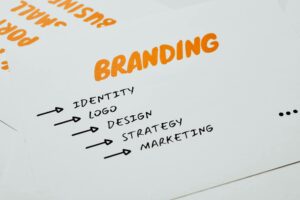
Photo by Markus Winkler
Ideation Techniques for Logo Development
Once you understand the principles of design in this sector, it’s time to brainstorm ideas. You can employ a few techniques to kickstart your creativity.
Researching Competitors
Look at logos used by successful brands in the aging services sector. Analyze what works for them and consider how you can apply similar insights to your design while ensuring originality.
Utilizing Design Briefs
Creating a design brief can help streamline your logo development process. Outline your mission, values, and key messages you want the logo to convey. This can serve as a roadmap as you explore design options.
Incorporating Feedback Loops
Don’t shy away from seeking feedback on your designs from potential users. This input can be invaluable in refining your logo to better serve the audience’s preferences and needs.
Case Studies: Successful Aging Services Logos
Exploring effective logos within the aging services sector can provide insight into what works.
Analysis of Effective Logos
Take the time to analyze logos of brands that have resonated well within the community. What design elements do they utilize? How do they incorporate warmth and trustworthiness in their branding?
Lessons Learned from Successful Brands
Identify key takeaways from these examples, like color schemes, typography choices, and overall design simplicity. These factors can guide you in creating a logo that truly represents your brand and connects with your target audience.
Where to Create Your Logo
When it comes to creating that impactful logo, the Logo Maker Shop is an excellent tool for aging services professionals. It allows you to design a unique logo in just a few minutes.
Using the Logo Maker Shop
Getting started is straightforward:
- Choose Your Template: Select a template that suits your vision.
- Customize Your Design: Play with colors, symbols, and fonts until you’re satisfied.
- Download and Use: Once your design is complete, download your logo in various formats for different uses.
Visit Logo Maker Shop to start your journey today!
Conclusion
In the aging services industry, thoughtful logo design is not just about aesthetics. It communicates values and establishes trust. By considering the unique needs of your audience and applying effective design principles, you can create a logo that resonates.
Start your logo design journey today with the transformative tools offered by the Logo Maker Shop. Remember, your logo is the first step in building a brand identity that reflects both your mission and the care you provide.

Michael Harper is a Senior Content Strategist at MarketInsider.co, a premier source for insights on digital marketing and business trends. With over 15 years of expertise in content development and strategic communications, Michael is renowned for his ability to craft compelling narratives that resonate with diverse audiences. He holds a Bachelor’s degree in Journalism from New York University and a Master’s degree in Business Administration from Columbia Business School. Outside of work, Michael is passionate about historical literature and enjoys hiking the trails of the Pacific Northwest.