Leather Vintage Revitalization Industry Logo Design Ideas
In today's market, a compelling logo can set you apart from the competition. For the leather vintage revitalization industry, crafting a unique logo that captures the essence of your brand is more than just a design task—it's an integral part of your identity. A well-conceived logo speaks volumes about your craftsmanship and values, inviting customers into your world of heritage and quality.
Characteristics of Effective Logos in the Leather Vintage Revitalization Industry
When it comes to logo design for the leather vintage revitalization industry, certain characteristics can make your logo not only effective but unforgettable. Let’s explore what makes these logos stand out.
Timeless Aesthetics and Craftsmanship
Leather is synonymous with quality and durability, which informs the aesthetic choices you should make in your logo design. Think about traditional craftsmanship and how it reflects in your logo. A logo that features hand-drawn elements or artisanal fonts can evoke feelings of authenticity and nostalgia.
Consider how the art of leatherwork often involves intricate designs. Your logo can mirror this by incorporating detailed illustrations or symbols that represent the skill involved in leather production. By doing so, you're not just showcasing beauty; you're telling a story of craftsmanship that appeals to your target audience.
Color Palettes and Typography
Color plays a pivotal role in evoking emotions and can significantly impact brand perception. For the leather vintage revitalization niche, warm, earthy tones like browns, tans, and deep greens can create a sense of nostalgia and authenticity. These colors often resonate with consumers who appreciate classic, timeless goods.
Typography complements color in conveying your brand's message. Vintage-inspired fonts—think serif styles or handwritten scripts—are often more effective here. They can evoke feelings of sophistication and heritage, setting the tone for what customers can expect from your products.
Symbolism and Iconography
A logo's symbols convey powerful messages quickly. Consider using icons that relate to leather or vintage themes, such as tools of the trade (like sewing needles or scissors) or animals (like cattle). The right symbol can encapsulate your brand's values in a way that words cannot.
Creating an icon or emblem that embodies your brand's identity can help you create a memorable design. For instance, a circular badge design featuring your brand name could evoke feelings of tradition and trustworthiness.
Ideation Techniques for Leather Vintage Logos
Generating ideas for your logo doesn't have to be daunting. Here are a few strategies to get those creative juices flowing.
Research and Inspiration Gathering
The first step in your ideation process should be gathering inspiration from existing brands. Look at both vintage and contemporary designs that resonate with the leather aesthetic. Pinterest, local artisan shops, or even vintage markets can provide a plethora of ideas.
Take notes on what you like and dislike in various logos. Focus on the elements that make them effective. Are the colors captivating? Does the typography convey the right message? This will be your starting point for your own design process.
Sketching and Drafting Initial Ideas
Once you have some inspiration, it’s time to put pencil to paper. Drafting initial sketches allows you to explore different concepts without the constraints of digital design software.
Don’t worry if your sketches aren’t perfect. The goal here is to brainstorm and let your creativity flow. You can always refine these ideas later, but capturing them in their raw form can help you visualize the direction you want to take.
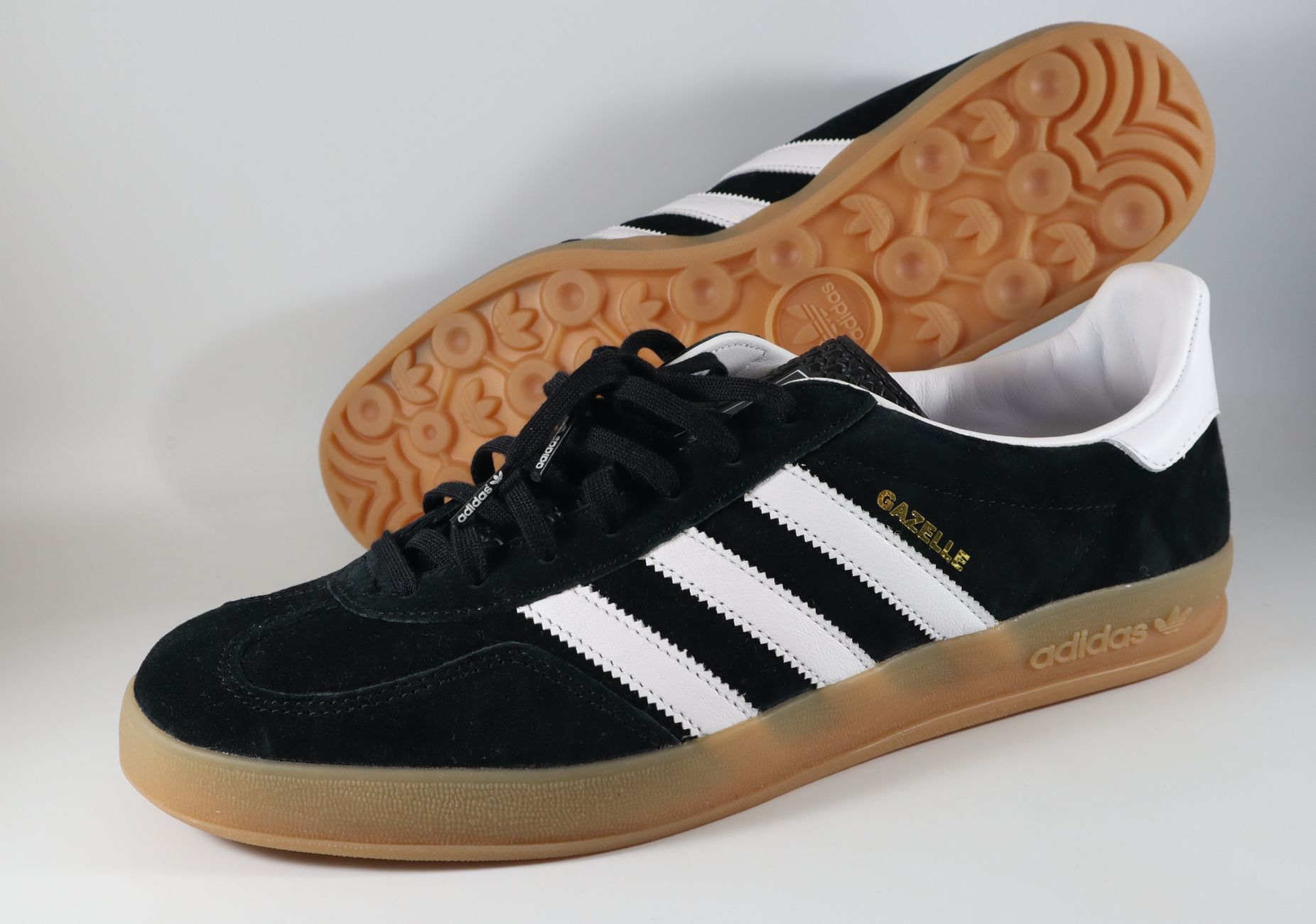
Photo by Terrance Barksdale
Successful Case Studies in the Industry
Learning from successful brands can provide insightful lessons for your logo design.
Brand X: A Case Study
Brand X stands out in the leather vintage revitalization space with its striking logo that features a classic typeface paired with a minimalist symbol of a stitching needle and thread. This not only signifies the craftsmanship but also alludes to its handmade nature. It’s a reminder that the brand values tradition, which draws in its target audience—customers who appreciate quality and authenticity.
Best Practices for Logo Design in this Niche
Designing a logo for the leather vintage revitalization industry requires a strategic approach. Here are some practices to consider.
Simplicity and Versatility
Keep your logo simple. An overly complicated design can confuse potential customers and diminish brand recognition. Ensure that your logo is versatile enough to look great on various materials, from leather tags to promotional materials.
Feedback and Iteration
Don't hesitate to seek feedback on your initial designs. Share your ideas with potential customers or colleagues and listen to their insights. This input can be invaluable in refining your logo.
Making iterations based on feedback ensures your final design resonates with your audience. Remember, a well-rounded logo is a product of collaboration and openness to change.
Utilizing Logo Maker Shop for Your Design Needs
When you're ready to bring your logo idea to life, the Logo Maker Shop is your go-to resource. With a user-friendly interface, you can experiment with various design elements, colors, and fonts to create a logo that captures your brand's essence. For more details, visit How to Create Logos with Logo Maker Shop.
Conclusion
A thoughtfully designed logo is crucial for establishing a strong brand identity in the leather vintage revitalization industry. By focusing on timeless aesthetics, meaningful symbolism, and effective design practices, you can create a logo that resonates with your audience and stands the test of time. Don't underestimate the power of a compelling logo to communicate your values and craftsmanship—your brand deserves it!

Michael Harper is a Senior Content Strategist at MarketInsider.co, a premier source for insights on digital marketing and business trends. With over 15 years of expertise in content development and strategic communications, Michael is renowned for his ability to craft compelling narratives that resonate with diverse audiences. He holds a Bachelor’s degree in Journalism from New York University and a Master’s degree in Business Administration from Columbia Business School. Outside of work, Michael is passionate about historical literature and enjoys hiking the trails of the Pacific Northwest.