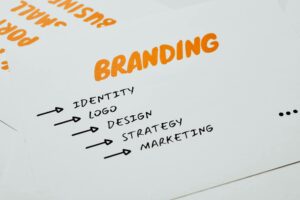
Digital Arts Industry Logo Design Ideas
In the fast-paced world of the digital arts industry, your logo is often the first impression potential clients will have of your business. It needs to convey your brand's personality and creativity while resonating with your target audience. The right logo design not only captures attention but also builds recognition and establishes a strong brand identity. So, let's explore some innovative Digital Arts Industry Logo Design Ideas that can inspire your next logo creation.
Understanding the Digital Arts Industry
The digital arts industry encompasses a diverse range of creative fields, including graphic design, animation, photography, and digital media art. Each sector values innovation, creativity, and the latest technologies. As a professional in this industry, you understand that your logo should reflect these unique characteristics and the diverse nature of your work.
Key Characteristics of Digital Arts Logos
Digital arts logos often feature vibrant color schemes, bold typography, and creative symbols. Each element plays a crucial role in appealing to your audience and communicating your brand's essence.
-
Color Schemes: Bright and eye-catching colors can evoke emotions and set a playful or professional tone. For example, blue often represents trust, while yellow conveys optimism.
-
Typography: The choice of typeface can influence how your brand is perceived. A modern sans-serif font can suggest innovation, while a script font conveys elegance.
-
Symbolism: Incorporating symbols related to your craft—like brushes, pens, or digital elements—can help potential clients immediately identify your expertise.
Importance of Unique and Memorable Logos
A distinctive logo sets you apart from competitors and makes a lasting impression. In the crowded digital landscape, clients need to remember who you are. A strong logo can foster brand loyalty and attract new customers, making it a vital investment in your branding strategy.
Logo Design Principles for the Digital Arts
Creating an effective digital arts logo involves adhering to several foundational design principles.
Simplicity and Versatility
Your logo should be simple enough to be easily recognized yet versatile enough to work across various platforms and applications. A clean design ensures your logo can scale well from business cards to billboards, maintaining clarity and impact at any size.
Color Psychology in Logo Design
Colors are powerful communicators. They can evoke feelings and influence perceptions. Understanding color psychology can guide your design choices:
- Red: Passionate and energetic.
- Green: Freshness and growth.
- Black: Sophistication and elegance.
When designing your logo, think about the emotions you want your audience to feel and choose your colors accordingly.
Typography and Its Impact
Typography isn't just about words—it's about the personality they convey. The right font can strengthen your brand identity. For instance, bold, geometric fonts speak to modernity and strength, while more artistic fonts can highlight creativity.
Ideation Techniques for Digital Arts Logos
Developing logo concepts requires creativity and a structured approach.
Research and Inspiration Gathering
Start by exploring existing logos within the digital arts industry. Analyze what makes them effective and how they communicate their brands. This can spark ideas for your own design. Resources like Logo Maker Shop can help you explore different styles and inspirations.
Sketching and Conceptualization
Grab a pencil and start sketching! This stage allows you to brainstorm various concepts quickly. Don't hesitate to explore different shapes, symbols, and layouts. Digital tools can enhance this process, but often, the best ideas come from simple pen and paper.
Utilizing the Logo Maker Shop
When you’re ready to bring your ideas to life, use the Logo Maker Shop. This intuitive tool allows you to create unique logos efficiently, providing a plethora of design templates and customization options tailored for the digital arts community.
Visual and Conceptual Inspiration
Finding inspiration can help you refine your logo vision.
Case Studies of Successful Digital Arts Logos
Take a look at notable logos within the digital arts. For instance, companies like Adobe and Canva have logos that succinctly reflect their mission and creative ethos. Analyzing these can provide insights into effective design choices.
Current Trends and Innovations in Logo Design
Staying updated with emerging trends can enhance your logo's relevance. Currently, minimalism and geometric designs are popular, emphasizing clarity and elegance. As you explore ideas, consider how you can incorporate contemporary trends into your unique vision.
Practical Tips for Designing Your Logo
Creating an effective logo involves careful consideration and iteration.
Testing and Feedback
Before finalizing your design, seek feedback from trusted peers or potential clients. Constructive criticism can help you refine your logo, ensuring it resonates with your target audience.
Adapting Logos for Different Platforms
Remember, your logo will appear in various formats. Ensure it looks great whether on social media, your website, or print materials. Test how it scales across different devices to maintain its effectiveness everywhere.
Inspiration to Create Your Unique Logo
Take these insights and apply them to develop a logo that genuinely represents your brand. With the right understanding of design principles, trends, and tools like the Logo Maker Shop, you're well on your way to creating a memorable digital arts logo.
The world of digital arts is vibrant and full of possibilities. Embrace your creativity and let your logo be a reflection of your unique style!
Photo by Designecologist

Michael Harper is a Senior Content Strategist at MarketInsider.co, a premier source for insights on digital marketing and business trends. With over 15 years of expertise in content development and strategic communications, Michael is renowned for his ability to craft compelling narratives that resonate with diverse audiences. He holds a Bachelor’s degree in Journalism from New York University and a Master’s degree in Business Administration from Columbia Business School. Outside of work, Michael is passionate about historical literature and enjoys hiking the trails of the Pacific Northwest.