Creating Your Logo for the Organic Cosmetics Industry
In the organic cosmetics market, a compelling logo isn’t just a design choice; it’s the foundation of your brand identity. It tells your story, resonates with consumers, and showcases your commitment to sustainability and wellness. With the right approach, you can create a unique logo that reflects your brand's ethos effectively. Embrace a DIY approach to logo design using accessible tools like the Logo Maker Shop, and watch your vision come to life.
Understanding Your Brand Identity
Before putting pen to paper, take a moment to understand the essence of your brand. What do you stand for? What message do you want to convey through your products? The answers to these questions will serve as your compass during the logo creation process.
Defining Your Core Values
For an organic cosmetics brand, values like sustainability, wellness, and eco-friendliness should be at the forefront. Consider how these elements play into your identity. For instance, if your products are cruelty-free, your branding should reflect compassion and ethics, perhaps through soft color palettes and nature-inspired motifs.
Identifying Your Target Audience
Who are you trying to reach? Knowing your ideal customer will help shape your logo. Are they environmentally conscious millennials? Are they parents looking for safe products for their kids? Understanding their preferences in organic products will guide your design choices, helping you create a logo that resonates deeply.
Exploring Design Inspirations
Inspiration can be found everywhere. As you begin brainstorming, utilize various resources to spark creativity.
Researching Successful Competitors
Observing the logos of successful competitors can provide valuable insights. What colors do they use? What symbols do they incorporate? You don’t want to replicate their logos, but understanding their design choices will help you differentiate your brand while still appealing to your target audience.
Gathering Visual Inspiration
Platforms like Pinterest and Behance are excellent for gathering visual inspiration. Create a mood board with images, colors, and typography that captures the essence of your brand. This exercise can clarify your vision and serve as a reference when creating your logo.
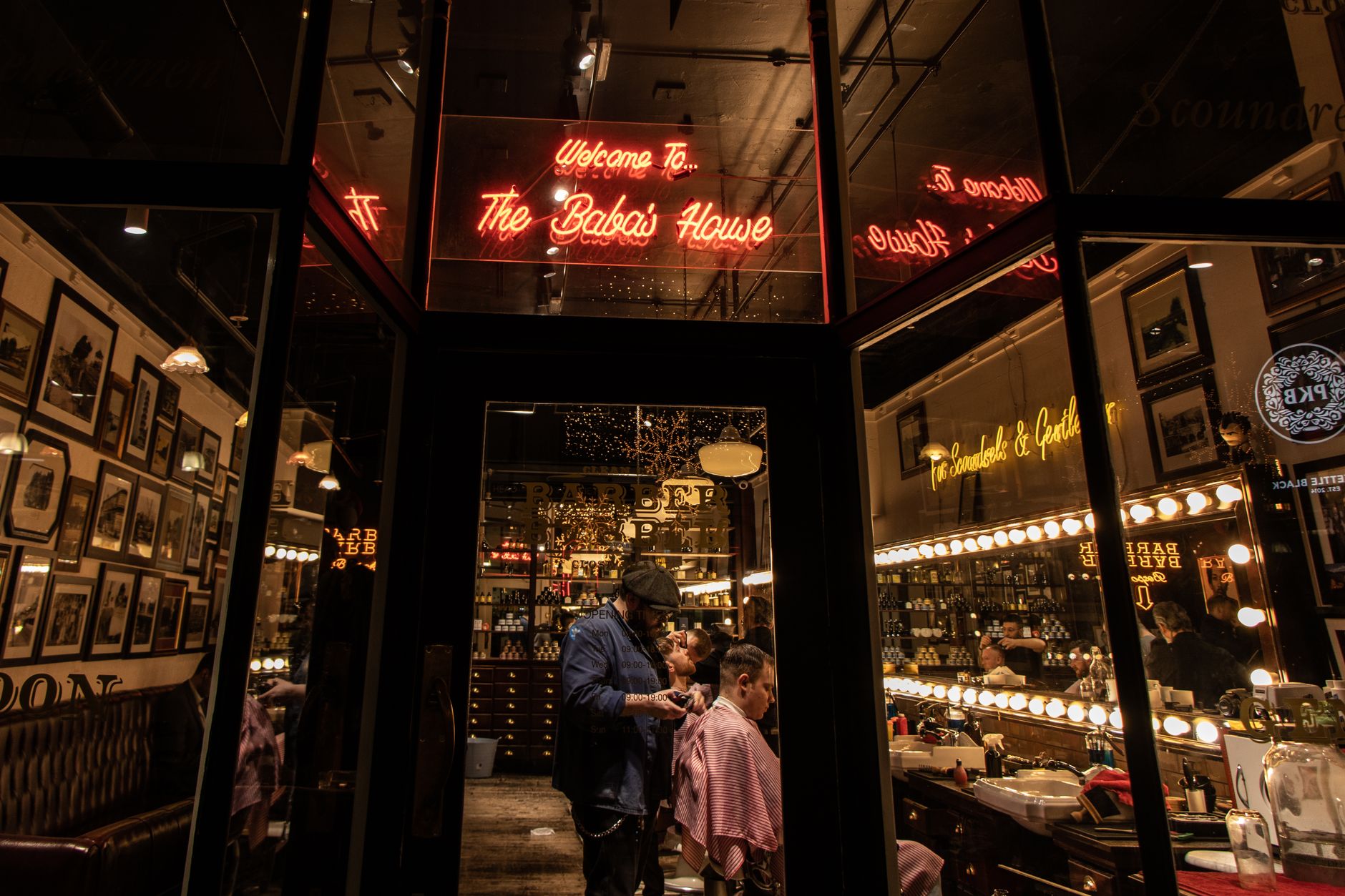 Photo by Aldrich
Choosing the Right Logo Style
Now it’s time to decide on a logo style. This choice will greatly influence how your brand is perceived.
Minimalist vs. Ornate Designs
Balancing sophistication and simplicity is key. Minimalist designs often convey clarity and modernity, which can attract a wide audience. However, an ornate design can express luxury and craft. Which vibe aligns best with your brand? Test out both approaches to see which resonates with your vision.
Symbolism in Your Logo
Consider incorporating symbols that reflect natural and organic themes. Leaves, flowers, or earth tones can evoke feelings of health and vitality. The more relatable your logo is to your organic ethos, the stronger the connection with your audience.
Using the Logo Maker Shop
With a clear vision in mind, it’s time to bring your logo to life using the Logo Maker Shop.
Step-by-Step Guide Using the Logo Maker Shop
- Start with a Template: Browse through various templates that align with your organic cosmetics vision.
- Customize Colors: Choose color palettes that reflect your brand values. Consider green for nature or soft pastels for a calming effect.
- Select Fonts: Pick typography that is readable yet unique. Fonts can convey emotion, so choose wisely.
- Add Icons: Incorporate symbols that represent your brand. A leaf icon can emphasize the organic aspect, while a minimalist shape can keep it modern.
- Preview and Adjust: Use the preview function to see your logo in different contexts, like on products or marketing materials.
Customization Options
While creating your logo, keep in mind the aesthetics of organic cosmetics. Earthy hues, soft lines, and nature-inspired fonts can elevate your logo, enhancing its appeal to your eco-conscious audience.
Finalizing Your Logo Design
As you wrap up the design process, it’s vital to refine and finalize your logo.
Getting Feedback
Seek input from peers and potential customers to gauge their reactions. Do they connect with your logo? Does it reflect your brand values? Valuable feedback can help you make necessary adjustments before the final reveal.
Testing Logo Versatility
Ensure your logo looks good across various platforms. It should be recognizable on social media, websites, and physical products. Consider how it performs in color and black-and-white formats to maintain its impact regardless of context.
Integrating Your Logo into Your Brand
With your logo finalized, it’s time to integrate it into your branding strategy.
Using Your Logo in Digital Marketing
Utilize your logo on your website and social media to create a cohesive digital presence. It should be prominently featured on your home page and in profile pictures for consistent brand recognition.
Incorporating Your Logo in Physical Products
Your logo will also appear on product packaging and labels. Ensure it aligns with your overall branding and communicates your organic cosmetics message effectively. Quality packaging can enhance its appeal and evoke trust among potential buyers.
Conclusion: Launching Your Brand with a Strong Logo
In the organic cosmetics industry, a well-designed logo is crucial for establishing your brand identity. It captures your values, resonates with your audience, and sets the stage for all future marketing efforts. By following the steps outlined above, you're well on your way to creating a logo that will help make your organic cosmetics brand a success. Start your journey today with the Logo Maker Shop and let your brand shine!

Michael Harper is a Senior Content Strategist at MarketInsider.co, a premier source for insights on digital marketing and business trends. With over 15 years of expertise in content development and strategic communications, Michael is renowned for his ability to craft compelling narratives that resonate with diverse audiences. He holds a Bachelor’s degree in Journalism from New York University and a Master’s degree in Business Administration from Columbia Business School. Outside of work, Michael is passionate about historical literature and enjoys hiking the trails of the Pacific Northwest.