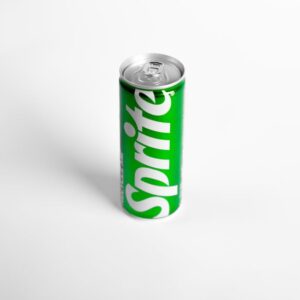
What is Typography Brand Guidelines?
In the bustling world of branding, typography might seem like a small fish in a big pond, but it plays a pivotal role in how a brand is perceived. Typography brand guidelines are the linchpin for maintaining consistency and ensuring that a brand’s voice is heard loud and clear. Typography isn’t just about picking a pretty font; it’s about choosing the right tone for your brand’s story.
Introduction to Typography Brand Guidelines
Typography is more than just letters on a page. It’s the silent ambassador of your brand. When used effectively, typography can be the bridge that connects your brand to its audience. Typography brand guidelines provide a blueprint for how text should appear across all brand materials, ensuring consistency that fosters brand recognition and trust. They help in weaving a cohesive identity, much like the strings of a guitar that, when tuned correctly, produce harmonious music.
Understanding Typography in Branding
Definition of Typography
So, what exactly is typography? In simple terms, typography is the art and technique of arranging type. It involves the selection of typefaces, point sizes, line lengths, line-spacing (leading), and letter-spacing (tracking), among others. Each element of typography comes together to create text that is not only readable but also visually appealing. This arrangement can set the tone for a brand, much like how the choice of words can set the mood in a conversation.
Role of Typography in Brand Identity
Typography is a silent storyteller, conveying a brand’s personality and values without uttering a single word. The way words are styled can evoke emotions, elicit responses, and even drive consumer behavior. A bold typeface might scream innovation, while a classic serif could whisper tradition. As 325 points out, typography is crucial in representing brand values and tone.
Key Elements of Typography Brand Guidelines
Typefaces and Fonts
When choosing typefaces, it’s essential to consider the brand’s personality. A typeface is a family of fonts, and within that family, there can be several fonts that vary in weight and style. Selecting the right typeface and font can be akin to choosing the right outfit for an occasion. It must fit the brand’s voice and the message it intends to convey, as Debroome emphasizes.
Font Hierarchy
Establishing a clear font hierarchy is crucial to guide readers through the information seamlessly. Headlines grab attention, subheadings guide the journey, and body text tells the story. Think of it as the hierarchy in a family – each member has a role, but they all work together harmoniously.
Line Spacing and Letter Spacing
Good line spacing (leading) and letter spacing (tracking) enhance readability and make the text visually appealing. Much like a well-baked cake, the spacing needs to be just right – too much or too little can ruin the experience.
Color Usage in Typography
Color in typography isn’t just for aesthetics; it’s a tool for enhancing communication. Colors evoke emotions and can strengthen the perception of a brand. Using colors strategically in typography can be compared to the icing on a cake, adding flavor and appeal. Litmus Branding highlights how color choices can significantly impact brand recognition.
Implementing Typography Brand Guidelines
Applying Guidelines in Digital Media
In the digital realm, typography must be adaptable to various devices and screen sizes. Websites and social media platforms often require different considerations compared to print. Responsive design is like a chameleon, adjusting its colors to fit its environment.
Applying Guidelines in Print Media
Print media, such as brochures and business cards, often require a more tactile approach. The choice of paper, ink, and even print techniques can influence how typography is perceived. It’s like crafting a handwritten letter in a digital age – personal and tangible.
Common Mistakes to Avoid in Typography Brand Guidelines
Inconsistent Application of Typeface
Inconsistency in typeface application across platforms can confuse the audience and dilute the brand message. It’s like speaking different languages at the same time – the message gets lost in translation.
Neglecting Readability
Poor readability can turn away potential customers. If the audience struggles to read the content, the message is lost, much like a story told in whispers amidst a loud crowd.
Conclusion
Typography brand guidelines are the unsung heroes of a brand’s identity. They ensure that the brand’s voice is consistent, clear, and compelling across all platforms. Just as a well-conducted orchestra produces beautiful music, well-executed typography can harmonize a brand’s message. It’s time to assess your brand’s typography – is it telling the story you want it to?
 Photo by Abhinav Goswami