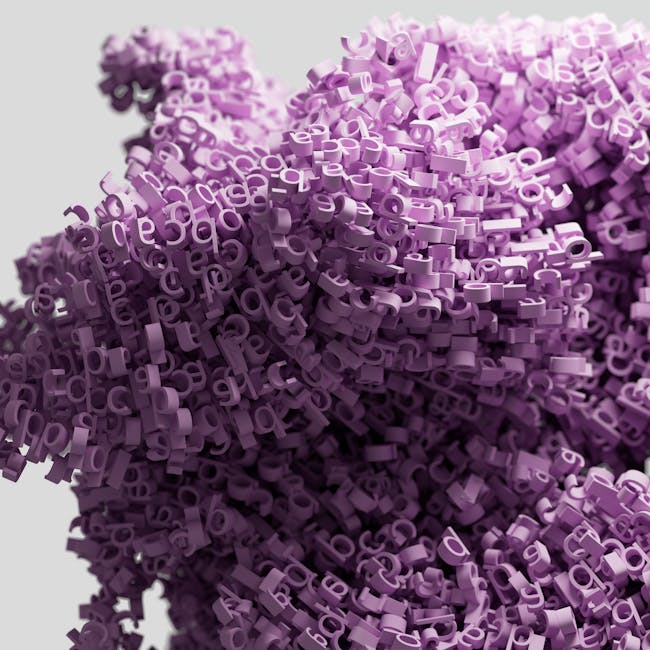
What is Typography Assignment?
Typography is an integral part of design, especially when it comes to creating a compelling brand identity. In a world where first impressions matter, typography acts like the voice of a brand, conveying its message even before a single word is read. Let’s dive into what makes typography so essential and how you can tackle a typography assignment with confidence.
Understanding Typography
What is Typography?
Typography is more than just arranging typefaces; it’s an art form that brings text to life. It’s the process of crafting a visual environment where words are not only read but felt. Just like how different voices can tell the same story in unique ways, typography gives character and emotion to the written word. It can influence emotions, set the tone, and guide the reader’s attention through a design piece.
Elements of Typography
To master typography, understanding its fundamental elements is crucial:
-
Typeface: This is the style of the letters, such as Arial or Times New Roman. It’s the personality of your text.
-
Font Size: Determines the emphasis and readability of text.
-
Line Spacing: Also called leading, it’s the vertical distance between lines of text. Proper line spacing ensures the text is easy to read.
-
Letter Spacing: This is the space between characters. Tight or loose letter spacing can dramatically change the look and feel of the text.
Importance of Typography in Brand Design
First Impressions Matter
In branding, typography is akin to the first handshake or greeting. It sets the mood and gives a sense of the brand’s personality. Type choices can signify if a brand is modern or traditional, playful or serious. According to Flux Academy, typography plays a critical role in establishing legibility and hierarchy, which are key to a strong brand presence.
Typography and Brand Consistency
Consistency in typography helps in reinforcing brand recognition. It’s like a signature that customers can identify at a glance. When brands maintain consistent typography across all mediums, it establishes trust and a cohesive identity. As noted by Webflow, typography guides the viewer’s eye and supports brand messages with clarity.
Typography Assignment Guidelines
Research and Inspiration
Begin by exploring various typographic styles used by designers. Websites like AIGA offer resources and examples that can spark inspiration. Look at different industries and see how they employ typography to connect with their audience.
Creating a Mood Board
A mood board is like a designer’s playground, where you collect images, fonts, and colors that inspire you. It helps in visualizing how different elements will work together in your assignment. Think of it as gathering ingredients before cooking a meal.
Designing Your Typography Assignment
Start by selecting typefaces that align with your project’s goals. Consider the emotion and message you want to communicate. Balance is key, so ensure your font sizes and spacing are harmonious, creating a smooth reading experience. For tips on font selection and layout, check out Playbook’s guide.
Common Typography Mistakes to Avoid
Overusing Fonts
Using too many fonts can clutter your design and confuse your audience. Stick to a primary typeface and a complementary secondary one. Digital Ink emphasizes the importance of maintaining a clean and consistent look by limiting font variations.
Neglecting Readability
Readability is king. Your design might look stunning, but if the text is hard to read, the message is lost. Ensure there’s enough contrast between text and background, and avoid overly elaborate fonts for body text. For more tips on avoiding readability issues, see Yes I’m a Designer.
Conclusion
Typography is more than just an aesthetic choice; it’s a cornerstone of effective communication in design. From creating memorable first impressions to ensuring consistency across branding materials, typography plays a vital role. Whether you’re completing a typography assignment or working on a professional project, embracing the art and science of typography will elevate your designs. Keep experimenting, and let your creativity flow as you explore the world of typography.
 Photo by Google DeepMind